Day 17: Oldie But a Goodie

Today we woke up to another grey and blustery day in Sozopol.  We packed our things and headed down for our last breakfast on the Black Sea.  Our wonderful innkeeper (we never did find out his name) gave us a bottle of Bulgarian red wine to take home before handing us over to the capable driving hands of Ivan, the sweet gentleman who had driven us from Veliko Tarnovo to Sozopol (we hired him again because we like him so much).  By 0945hrs we hit the road, the soundtrack from Evita on the car stereo, heading west, towards the city of Plovdiv.  Pa has been really excited to see Plovdiv because it is the oldest continuously inhabited city in Europe, and has evidence of habitation from the 6th millennium BC, and has changed hands between the Romans, Thracians, Ottomans and others plenty of times.  Pa is mostly interested in the ancient Roman ruins.

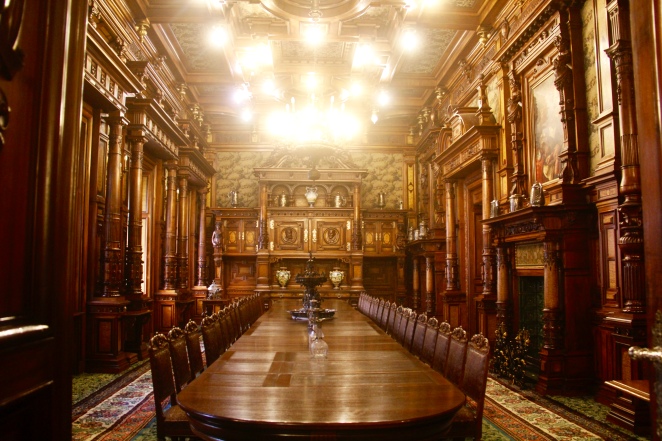
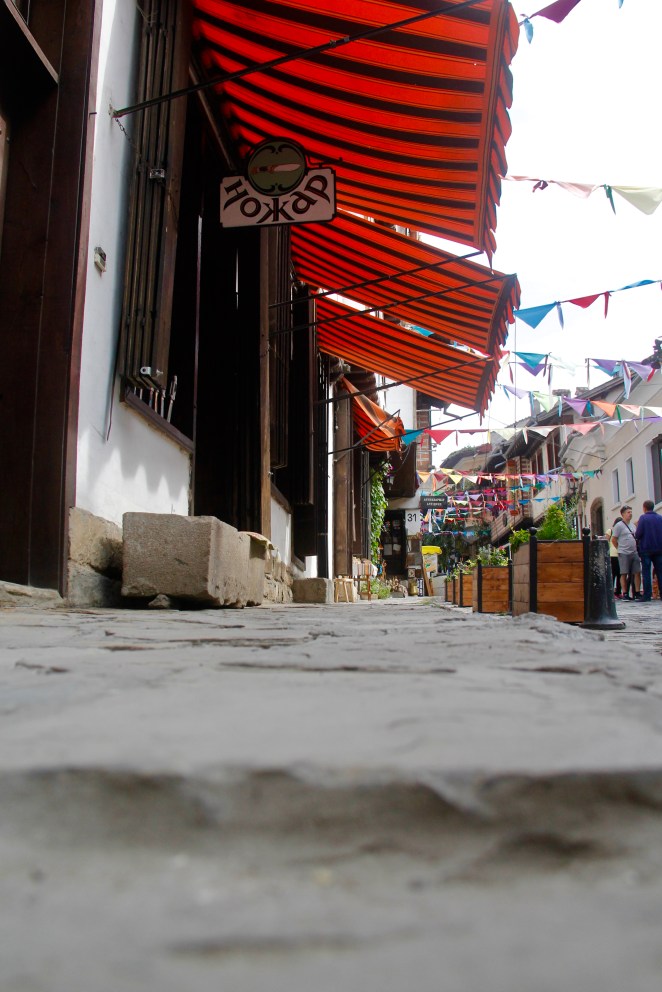
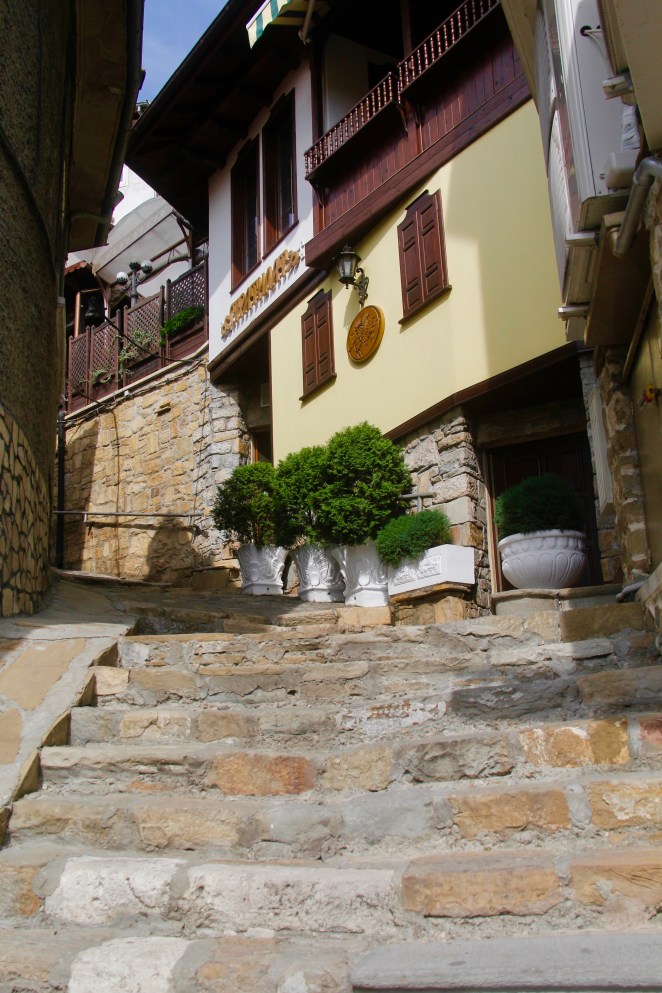
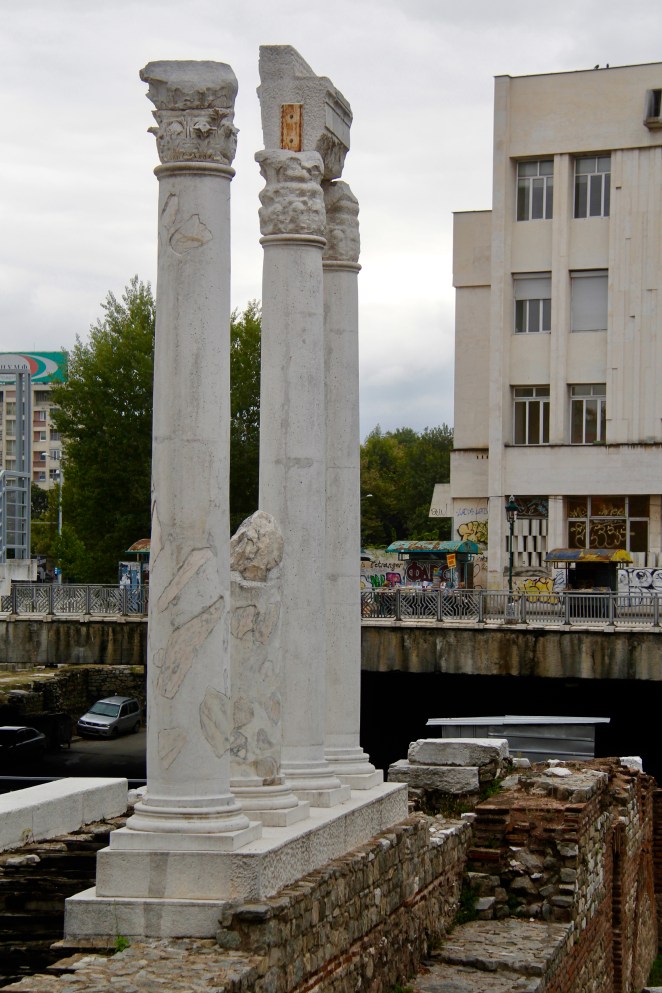
By 1400hrs and after a boring drive (what do I know, I slept through most of it) we entered the city limits of Plovdiv and found our hotel.  We’re staying in a boutique hotel here, and it looks like the hotel owns most of the street – two hotel buildings, a bakery, and a special relationship with a really good restaurant across the street, Hemingway.  Also across the street from us, is this:

fullsizeoutput_19c2fullsizeoutput_19c4fullsizeoutput_19c6fullsizeoutput_19c7

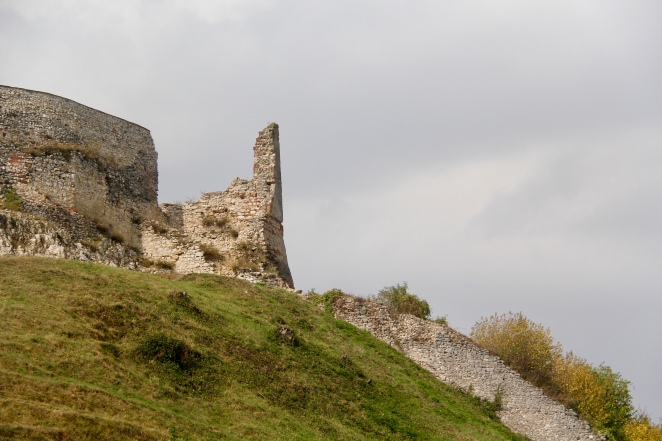
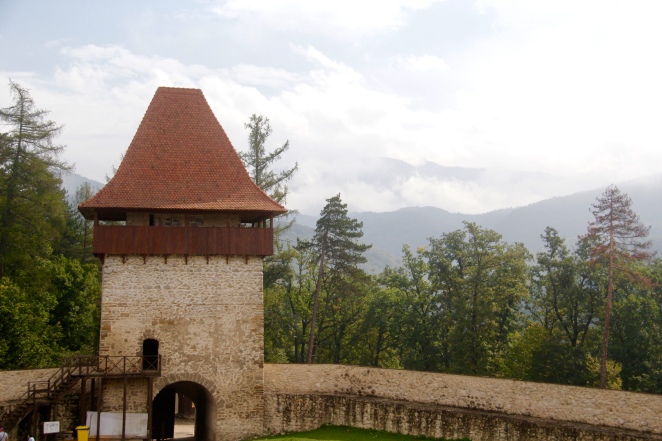
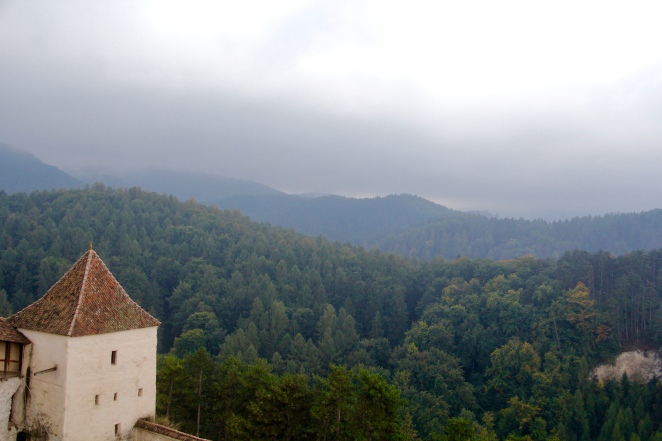
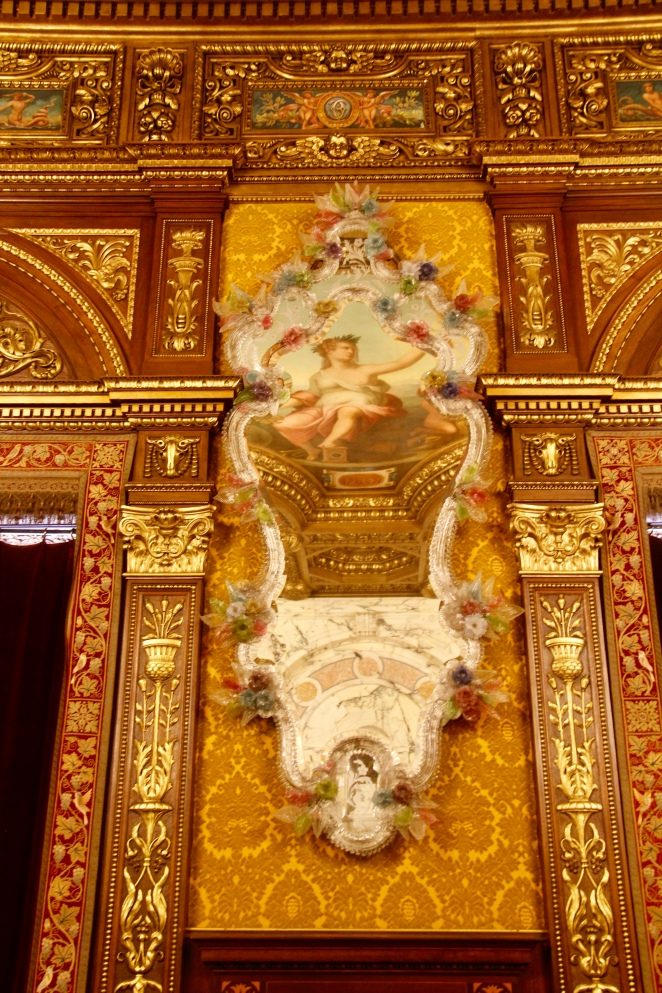
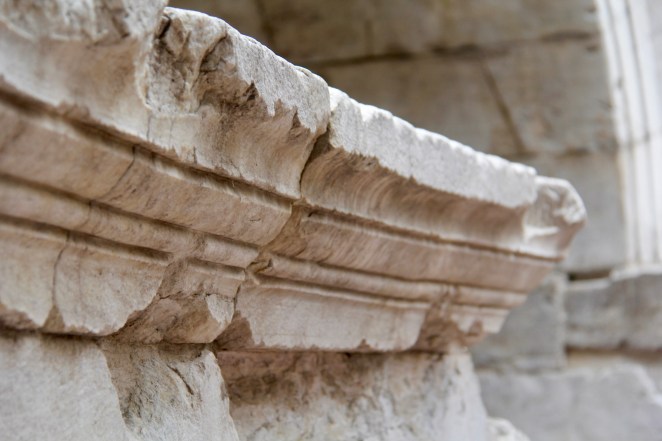
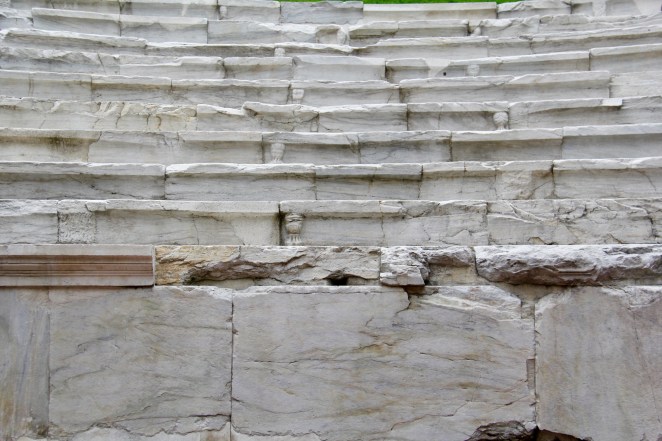
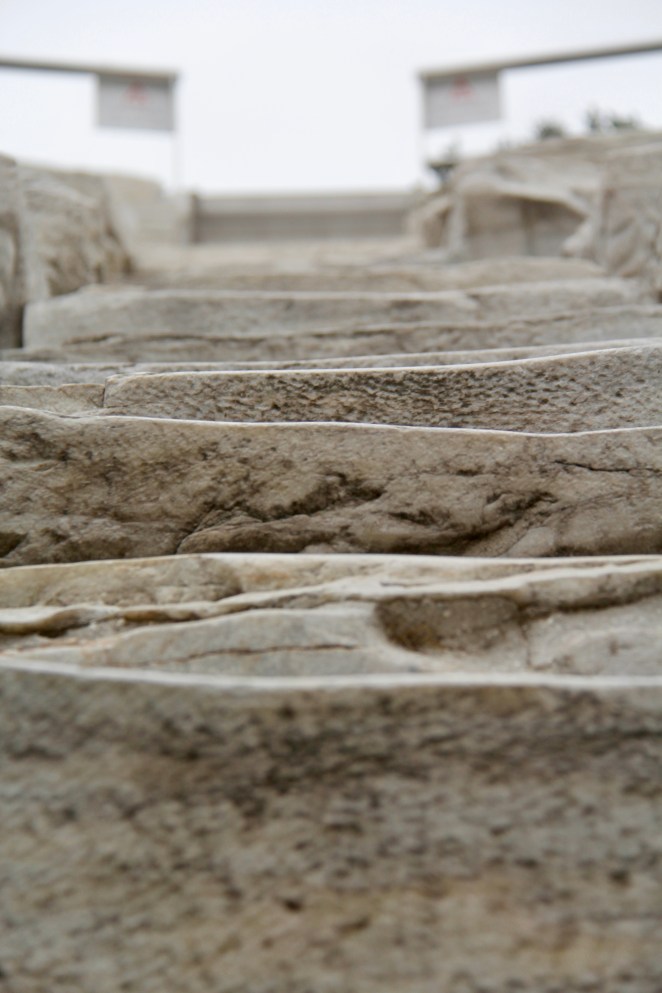
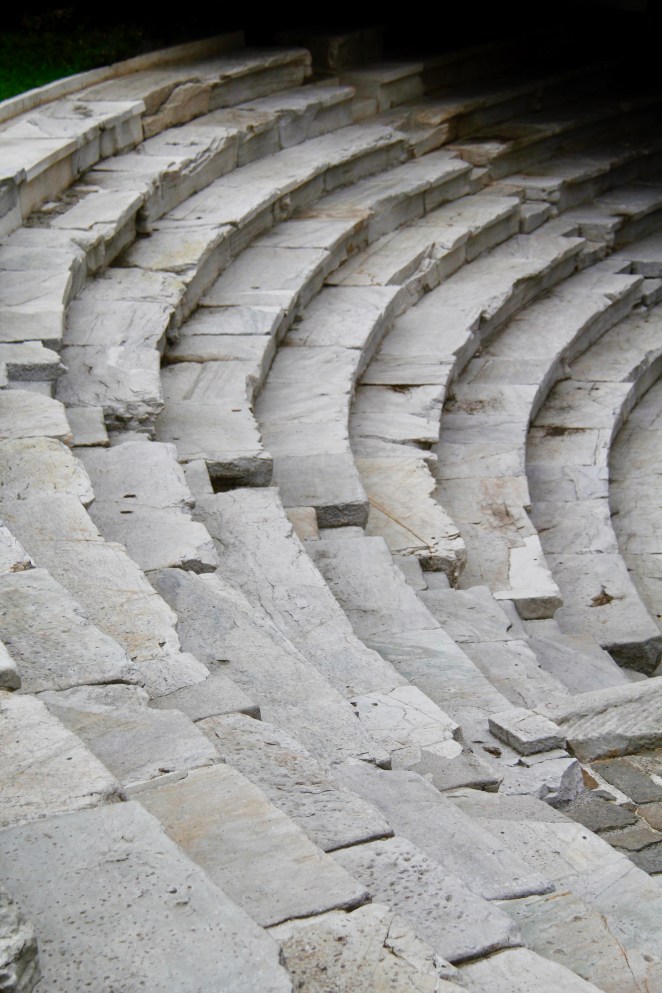
Ruins of a Roman Odeon from the 2nd century AD, also known as the Odeon of Philippopolis (the city was once called Philippopolis as it had been conquered by Philip II of Macedon).  The ruins were uncovered in 1988 and restoration has been somewhat continuous.  The Odeon still houses performances and shows!

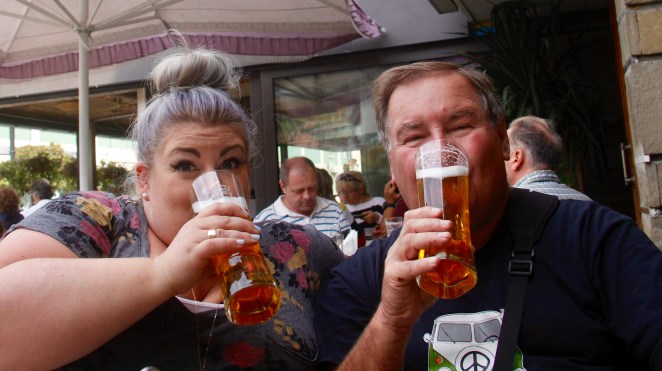
There is a lot of old, ancient Roman and Thracian ruins and buildings around the city, including the crown jewel of the ruins, the Roman Amphitheatre, but we wanted to pace ourselves.  We went to Hemingway for a late lunch (more shopska salad for me) as well as bruschetta, spinach salad, beers and cheesecake, probably the best cheesecake Ma and I have ever had.  After lunch we decided to stroll along the main pedestrian street and see what kind of old stuff we would come across.

fullsizeoutput_19c8fullsizeoutput_19c9

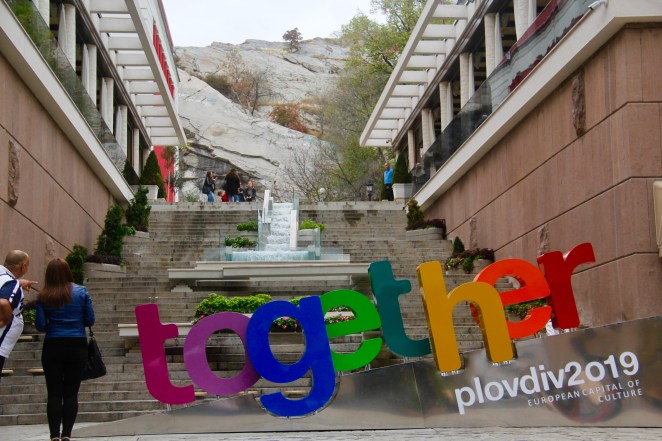
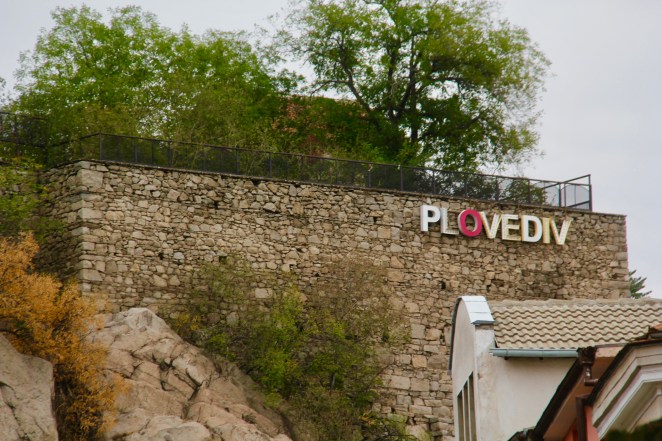
Plovdiv was selected to be the European Cultural Capital in 2019, so they have all sorts of signage and improvement projects around the city.

fullsizeoutput_19cafullsizeoutput_19cb

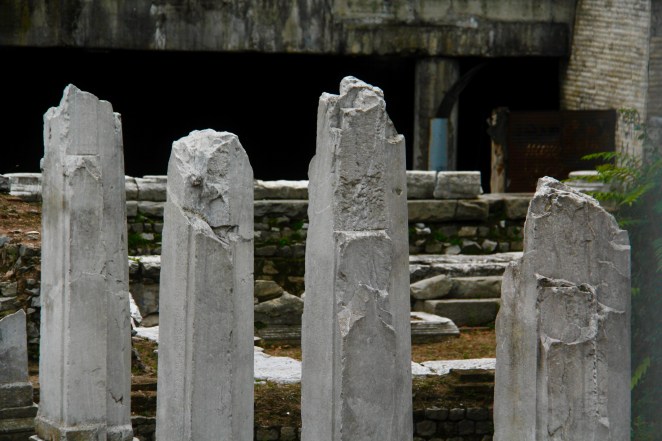
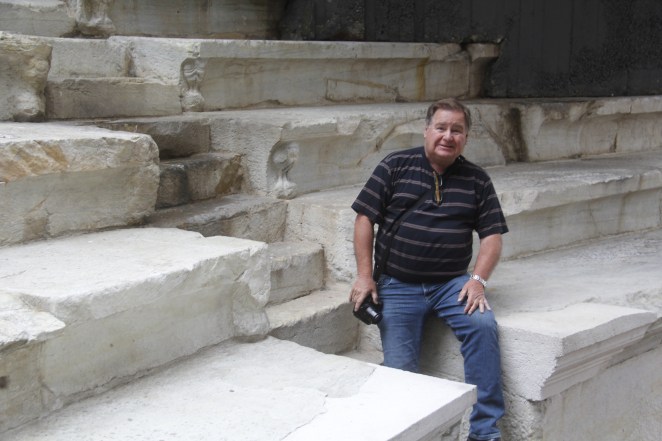
A short amble up the pedestrian street from our hotel we came across uncovered parts of the Plovdiv Roman Stadium, also known as the Stadium of Trimontium.  Again from the 2nd century AD, the stadium (only a part of which can currently be seen) seated 30,000 and housed all sorts of Olympic-type games and spectacles.  Pa was nerding out big time.

fullsizeoutput_19cd_MG_5320fullsizeoutput_19cf

What I like about the ruins is you can walk freely through them, touch them, sit on them.  They are still an interactive yet respected part of the city.

fullsizeoutput_19d0fullsizeoutput_19d1fullsizeoutput_19d2

Through the tunnel underpass of the Stadium was a wall built by Hadrian (not Hadrian’s Wall) and the remains of an aqueduct.

fullsizeoutput_19d3fullsizeoutput_19d4

Climbing out of the ruins we came across Dzhumaya Mosque, built by the Ottomans in 1363.  The Mosque marks the start of an artsy and funky district known as Kapana, or in English “The Trap”.  We decided to save Kapana for a later day on our trip.

fullsizeoutput_19d6fullsizeoutput_19d7

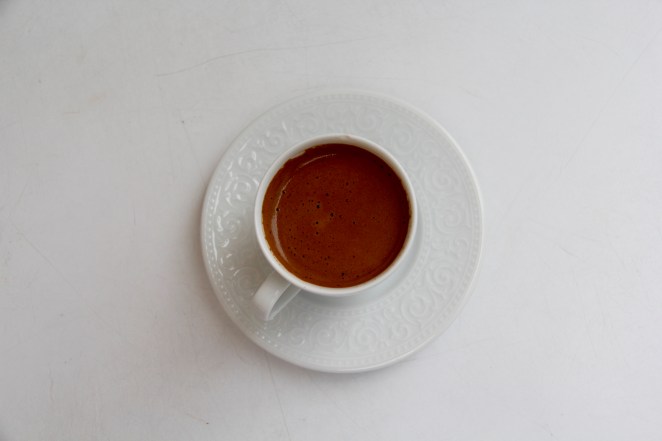
Attached to the Mosque is a Turkish coffee house, and Pa and I can’t say no to that potent, thick sludge.

fullsizeoutput_19d8

We wandered back down the pedestrian street, looking in the shop windows and admiring all the fashion and “fashion”.  There are a lot of menswear shops, some with beautiful suits and jackets (those who know me know how much I loooooove a beautiful coat on a handsome man) and some hawking the worn-and-torn-yet-bejewelled jeans I have seen far too much of on this trip.

fullsizeoutput_19d9fullsizeoutput_19dbfullsizeoutput_19dcfullsizeoutput_19dd_MG_5375fullsizeoutput_19e0

It was dinner time by the time we got back to our hotel, and we weren’t particularly hungry, so we settled for some pastries and coffees and snuggled down for the night.

fullsizeoutput_19e1

Day 16: Today I Don’t Feel Like Doing Anything

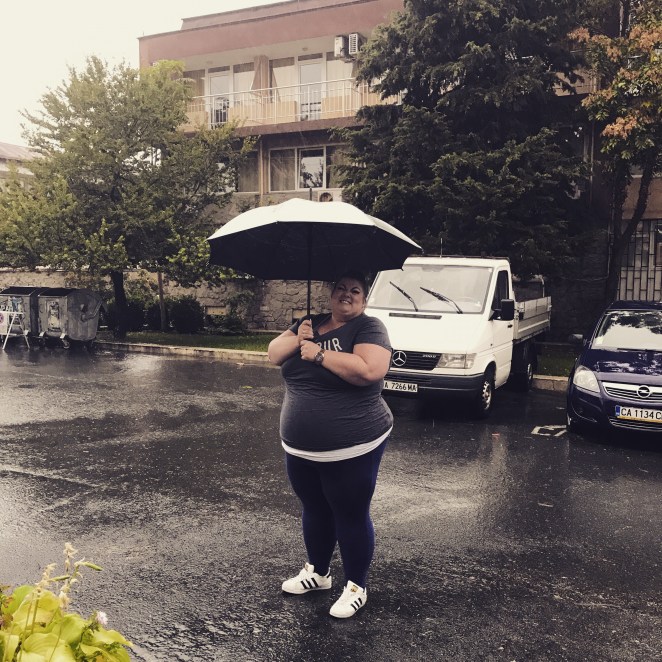
There comes a time in every trip that we start to get pretty spent and need to take a day to recharge.  Today was that day.  We woke up after a bit of a sleep in to find that it was absolutely pouring rain.  And not just Vancouver rain.  The walk from the door of the hotel, literally around the corner to the hotel’s restaurant resulted in Pa’s rain jacket getting soaked through.  Not even a 2 minute walk.  Add to that a ton of wind.  We decided that rather than walk into town in the rain, get soaked, be wet and miserable and have to hope that our clothes dry out before we have to pack up tomorrow to head to the next town was unappealing and hung out in our hotel room, watched TV, read, talked about books.

We did head down to the hotel restaurant for a late lunch as the innkeeper had made the Bulgarian version of moussaka and I was eager to try it, and Pa was too, and it was everything I hoped it would be – meat and potatoes, baked into a comforting casserole.  Our sweet innkeeper, with whom we communicate through his broken English, my broken Russian and Ma’s broken German gave us a handful of shells from the beach as a souvenir from the Black Sea and advised that he was closing up shop for the season on Saturday and heading back to Vienna for the winter.

We paid our bill and Pa went and got some provisions for the rest of the afternoon/evening, hoping to get some sleep before the journey to our penultimate city for this trip, Plovdiv.

IMG_9625

Day 15: This Ship Has Sailed

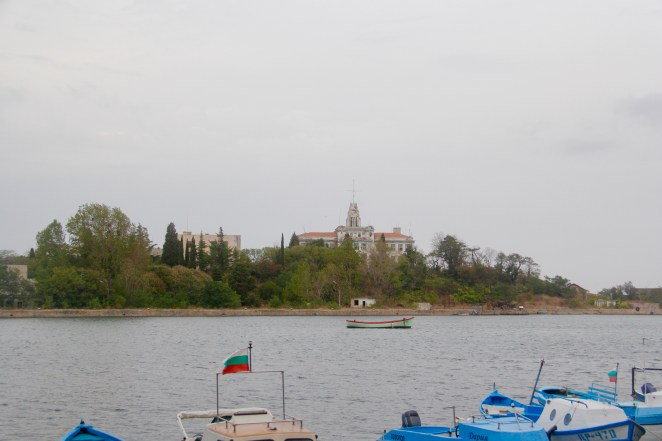
We were up early today, eager to eat breakfast and head over to the ferry that we had reservations for the would take us across the bay to the town of Nessebar.  We left our hotel to high wind and grey sky with Gravol in tow and headed back towards the old town, over to the Fish Port on the far side.  We found the kiosk – closed.  In true us fashion, we were there pretty early, so we decided to wait and walk around the marina, looking at the moored vessels.  Pa then asked a guy wearing a high visibility vest (Sozopol Port Authority?) if we were at the right spot, and he advised us as best as he could that “everything closed”.  When our time of departure rolled around, sure enough there was no ferry and no one at the kiosk, so we gave up on our Nessebar dreams and decided to have a lazy day around Sozopol.

fullsizeoutput_198afullsizeoutput_198bfullsizeoutput_198cfullsizeoutput_198d

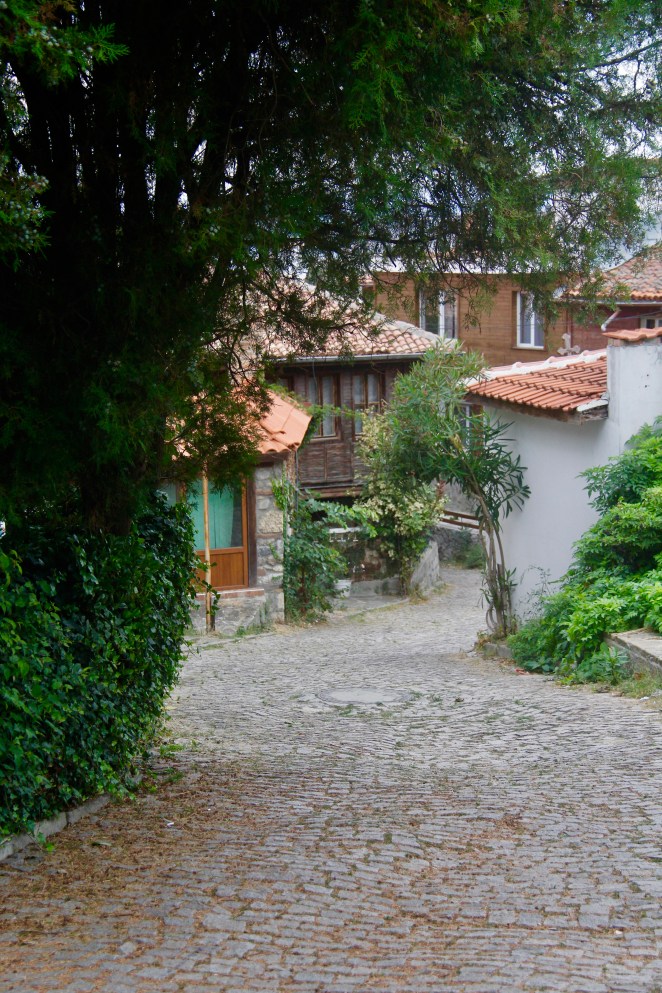
We decided to spend the morning walking the length of the peninsula and getting lost in the lanes and small streets of the old town.

fullsizeoutput_198efullsizeoutput_198ffullsizeoutput_1992fullsizeoutput_1999fullsizeoutput_199cfullsizeoutput_199dfullsizeoutput_199f

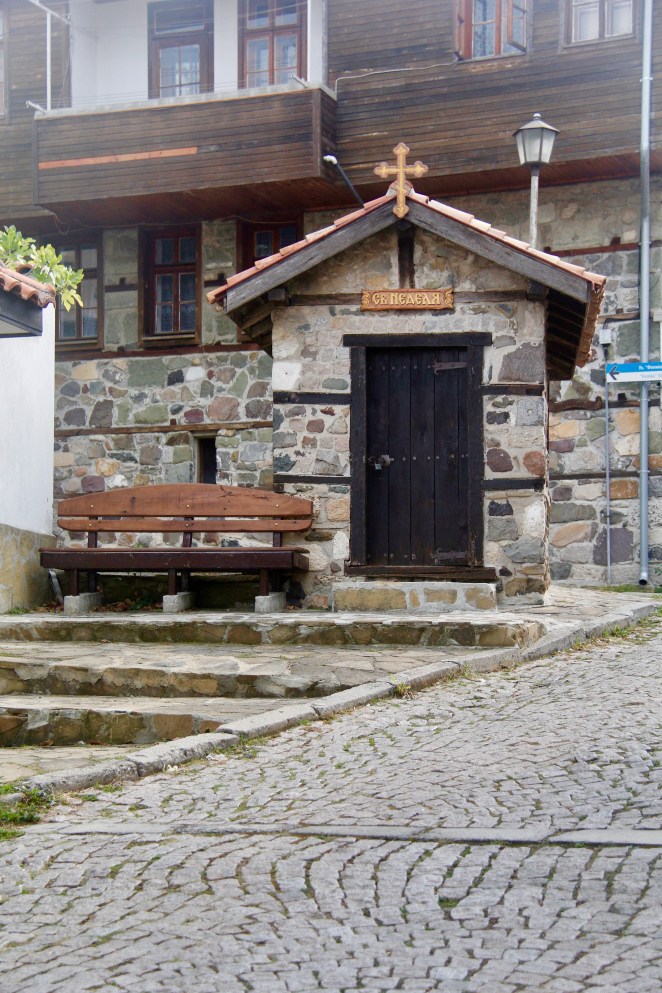
We discovered even more old wooden houses and small little churches.  We also discovered that in Sozopol residents do this thing where they post what looks like a flyer of a deceased relative on the front door of their houses.  What they say, I have no idea and I’m not sure if it’s a Bulgarian, Sozopol or Eastern Orthodox  custom.  We have also discovered that locals (in Romania and Hungary as well) think we’re English, and the English we meet assume we’re Americans, until we tell them and they immediately apologize.

fullsizeoutput_19a0fullsizeoutput_19a2

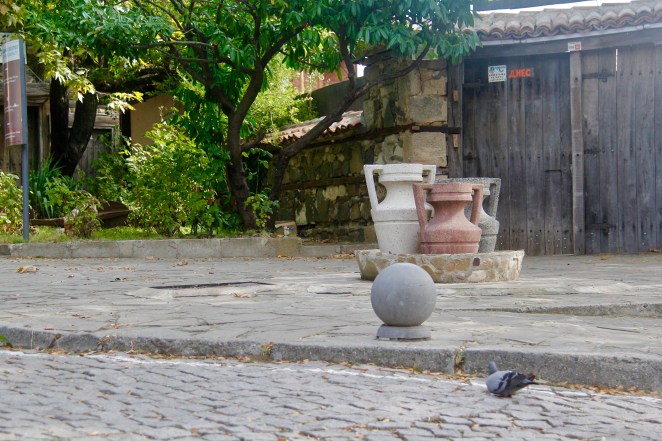
Despite the grey start to the day, the sun started to come out and humidity was at a high, although the wind was still strong.  We walked up and down small cobbled streets, said hello to passersby and workers boarding up businesses after the season.

fullsizeoutput_19a3fullsizeoutput_19a4fullsizeoutput_19a5

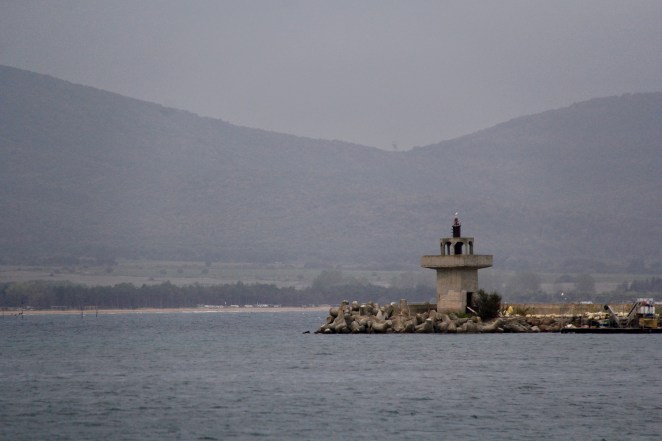
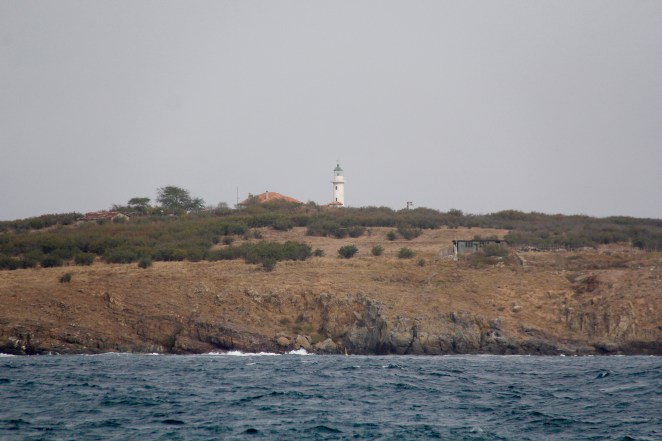
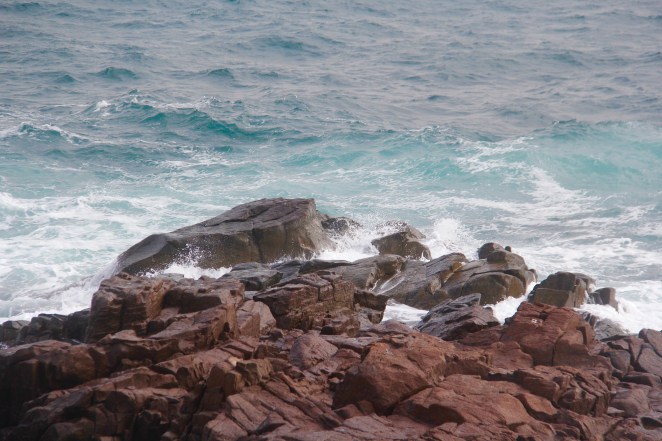
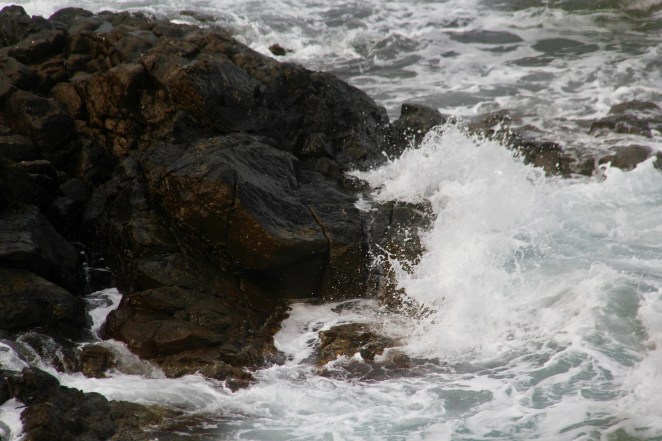
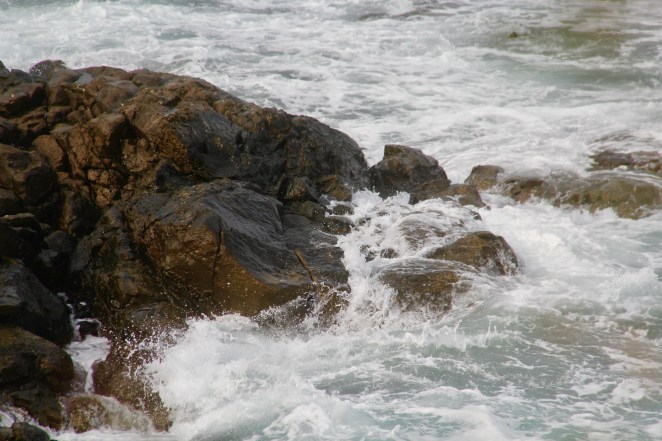
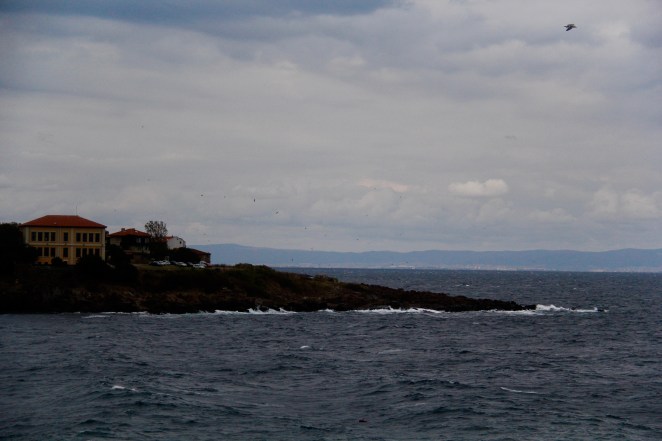
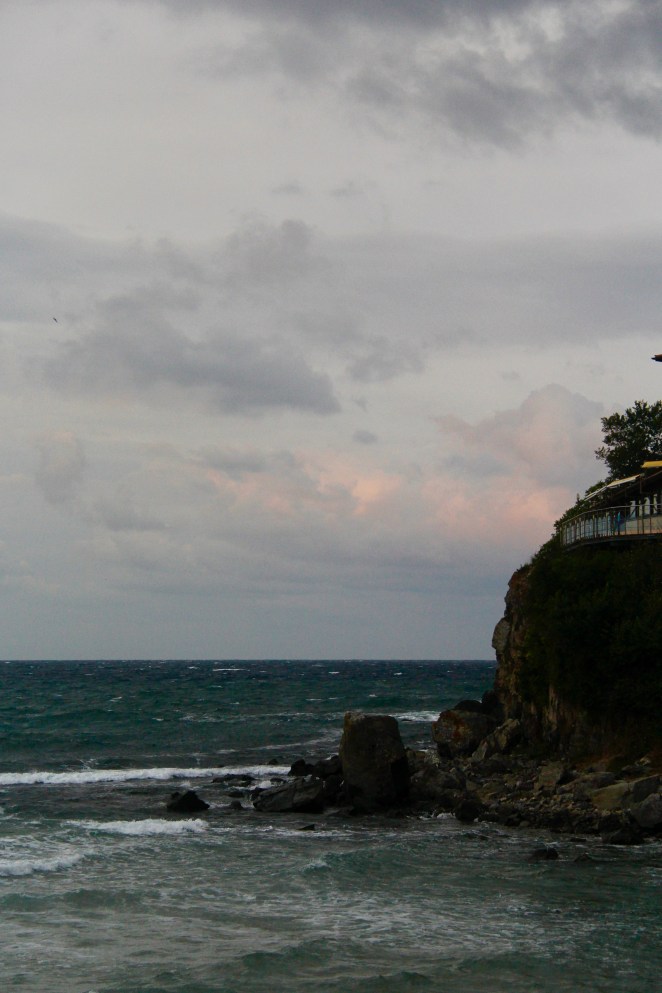
We made it to the tip of the peninsula and watched the water break on the rocks, acknowledging that at this point, this is the farthest east the 3 of us had been (so far in Europe) and that directly across the Black Sea from us was Georgia.

fullsizeoutput_19a8fullsizeoutput_19a9

We wandered back to the centre of the old town and relaxed under a patio umbrella with some coffee and soft drinks.  Then, almost out of the blue, the rain came.  It was still warm and humid and we were cozy under the umbrella, so we just enjoyed it.

After a few minute the rain let up and we walked out of the old town, past our hotel and south towards Sozopol’s other beach, Harmanite Beach

fullsizeoutput_19ac

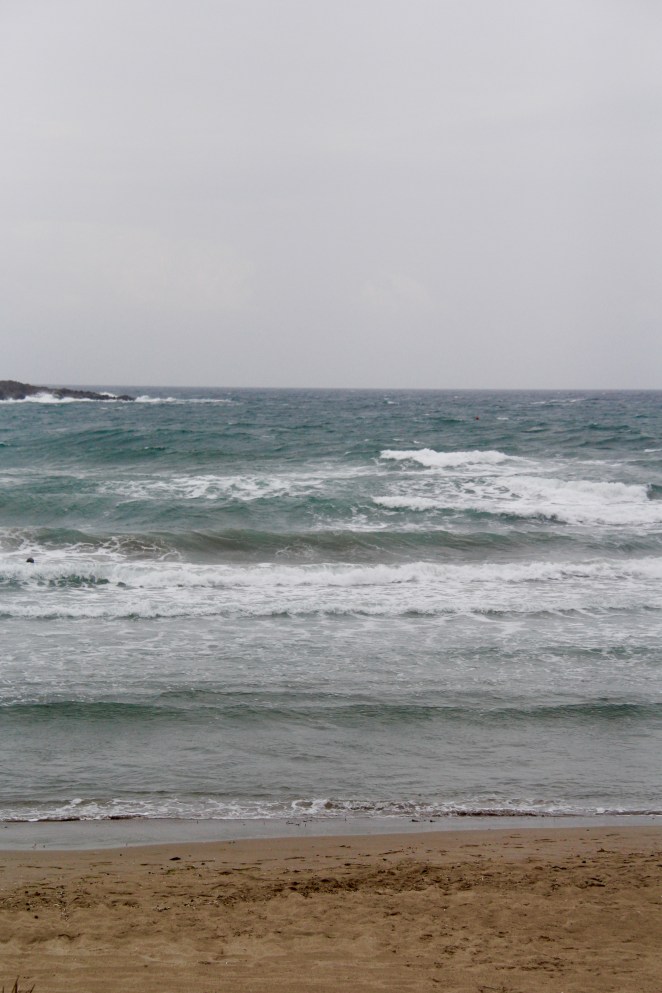
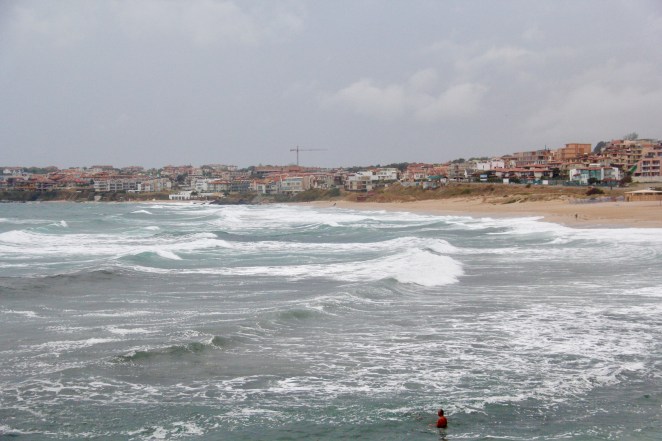
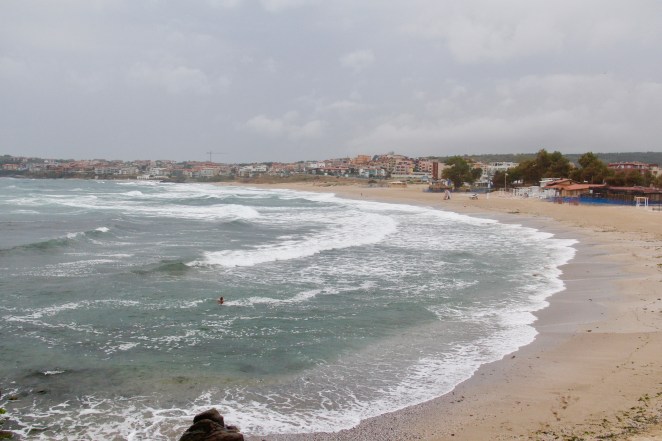
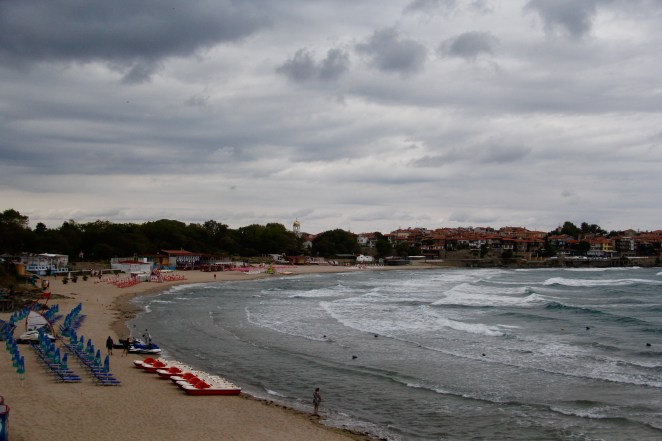
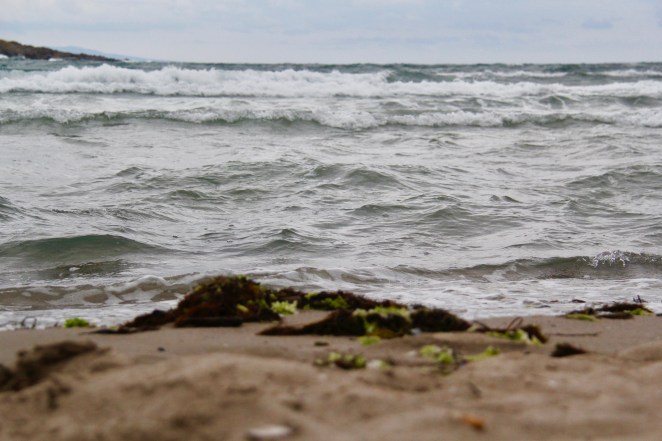
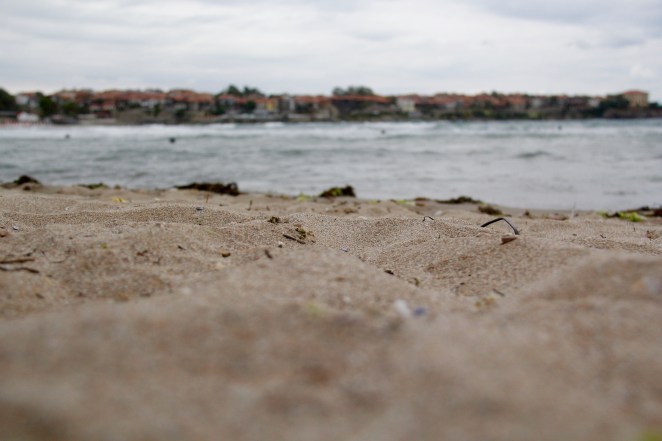
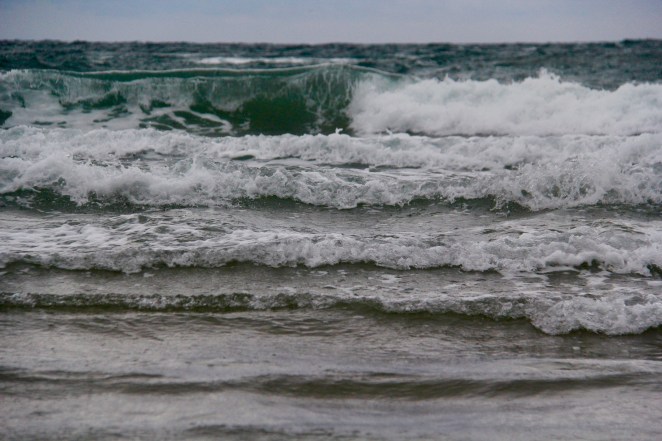
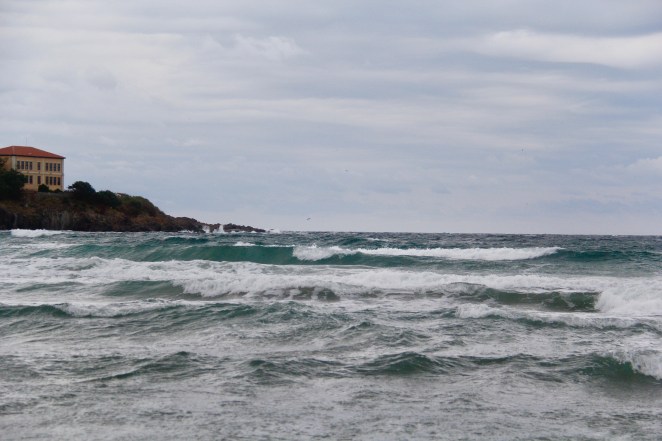
Harmanite Beach is larger and quieter than Central Beach with apparently a lot of beach-side bistros and restaurants, but like most things, they were all shut and boarded up for the season.  The wind was getting stronger and whipping up some pretty big waves, although no surfers were to be seen taking advantage of it.

fullsizeoutput_19aefullsizeoutput_19affullsizeoutput_19b3

We found a cute little cafe and had a long, leisurely late lunch of beer, fries, kebab and schnitzel.  By 1600hrs, we were tired and wind battered, so Ma and Pa went off to find a a grocery store to get some snack food while I stood on a bluff by a little church and watched the waves.  Again, the sun started to come and I thought that maybe we’d have a beautiful sunset, but as quickly as it had come out, the sun was again behind the clouds and a nearby flash and boom indicated that it was time for me to back away from the water and head back to the hotel, where I met with Ma and Pa and we had a hotel room beer picnic for dinner and an early night.

fullsizeoutput_19b6fullsizeoutput_19b8

Day 14: Hellenistic on Wheels

Today we were up early and out the door by 0900hrs, heading for our easternmost stop on the trip, Sozopol, an old Thracian settlement on the Black Sea.  The Bulgarian coast on the sea is a pretty popular party area, especially in cities such as Varna and Sunny Beach, but because we’re not a partying bunch and are history nerds, we decided on Sozopol.

We decided to hire a driver, so we had sweet and professional Ivan drive us out.  Ivan was very knowledgeable about the area we were driving through and offered his CD wallet for us to pick the tunes.  Sadly for me, whether it be on a plane, boat or back seat of a comfortable vehicle, I tend to get motion sickness, so I popped a ginger-chew Gravel and dozed off.

We pulled into resort town of Sozopol around 1400hrs and after a bit of a run-around, found our quaint, family run Hotel Hedy.  We grabbed some lunch (another Shopska salad for me, so good!) and went down to hit the beach.  Our hotel is between two different beaches, Central Beach being a 3 minute walk and Harmanite Beach being a 4 minute walk, so we chose the 3 minute walk.

fullsizeoutput_1963fullsizeoutput_1964fullsizeoutput_1966fullsizeoutput_1967fullsizeoutput_1969

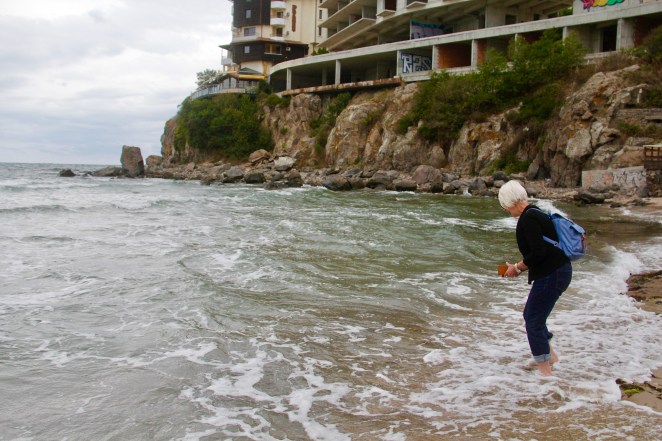
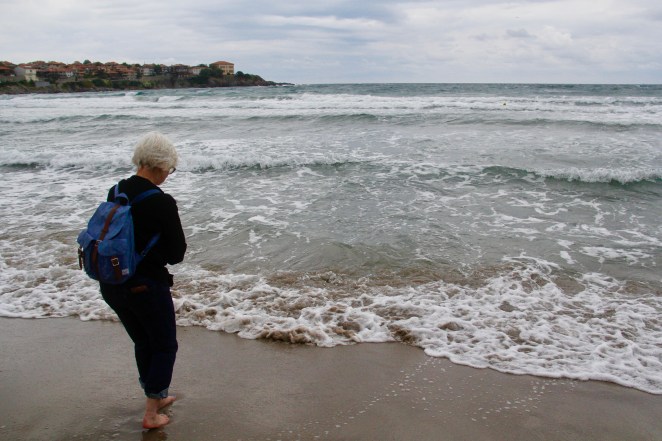
We have had beautiful sunny weather pretty much every day of this trip, and the day we get to the beach, it’s cloudy and windy.  It was, however, and very manageable 22C degrees, so Ma and I took our boots off, felt the sand in our toes and dipped our feet in the Black Sea.

fullsizeoutput_196afullsizeoutput_196bfullsizeoutput_196cfullsizeoutput_196dfullsizeoutput_1971fullsizeoutput_1972

As I previously said, Sozopol is a resort town, and we caught the very end of the season.  No one else was out on the beach, no surfers in the water, no one relaxing in cabanas or lounge chairs.

fullsizeoutput_1974fullsizeoutput_1975fullsizeoutput_1976fullsizeoutput_1977fullsizeoutput_1979

Although we were all feeling pretty tired, we decided to walk the length of the beach and at least head up to the old town at the tip of the peninsula for a minute.  The wind had really kicked up and many restaurants were closed and boarded up.  Although I was mildly disappointed about the slightly stormy weather, I also delighted in it, because it reminds me of the Pacific Ocean at home, the salt water air perfuming my clothes and the wind whipping my hair.

fullsizeoutput_197a

As I said before, we chose Sozopol because it has some pretty old history, and we started to get reenergized seeing old structures, like this ancient Hellenistic cathedral in ruins from years 7 BC – 5 BC.

fullsizeoutput_197b

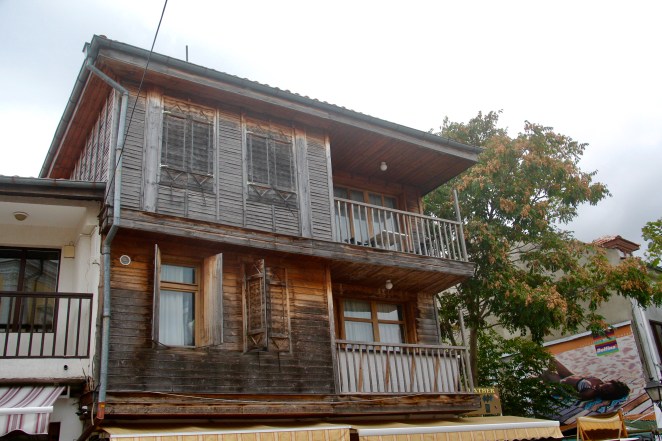
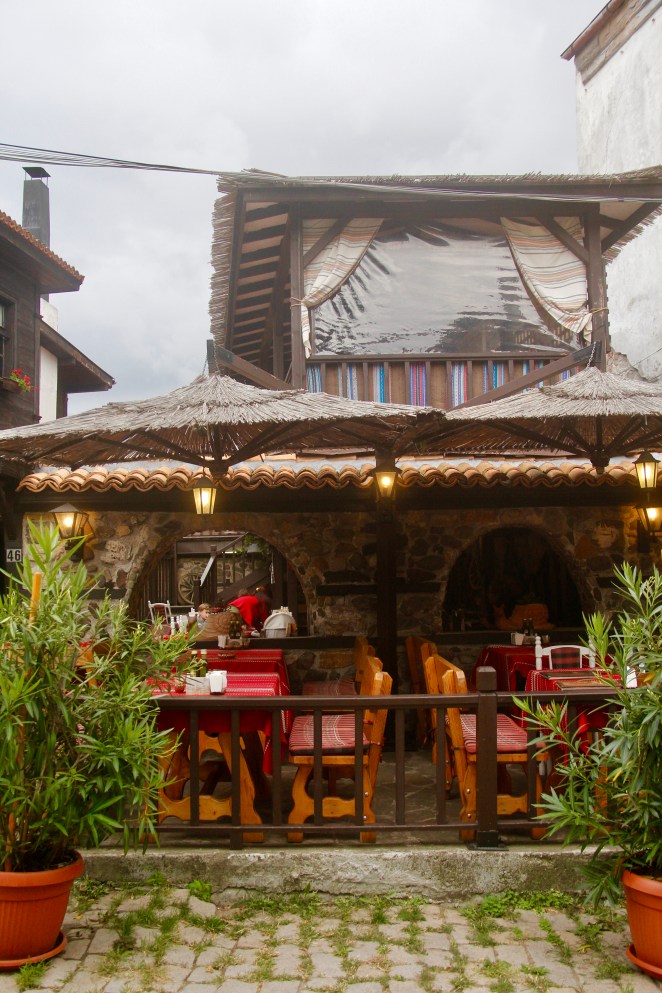
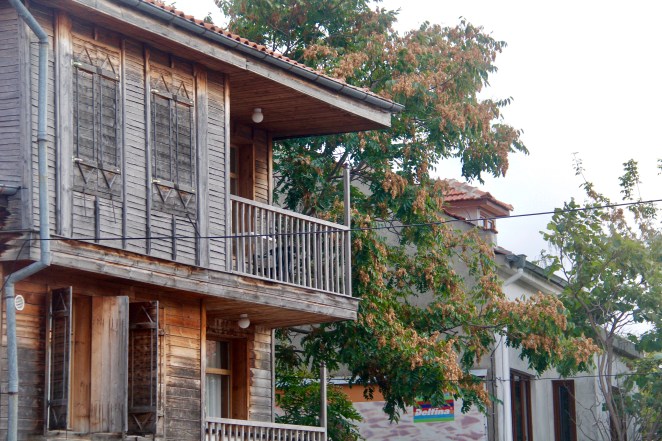
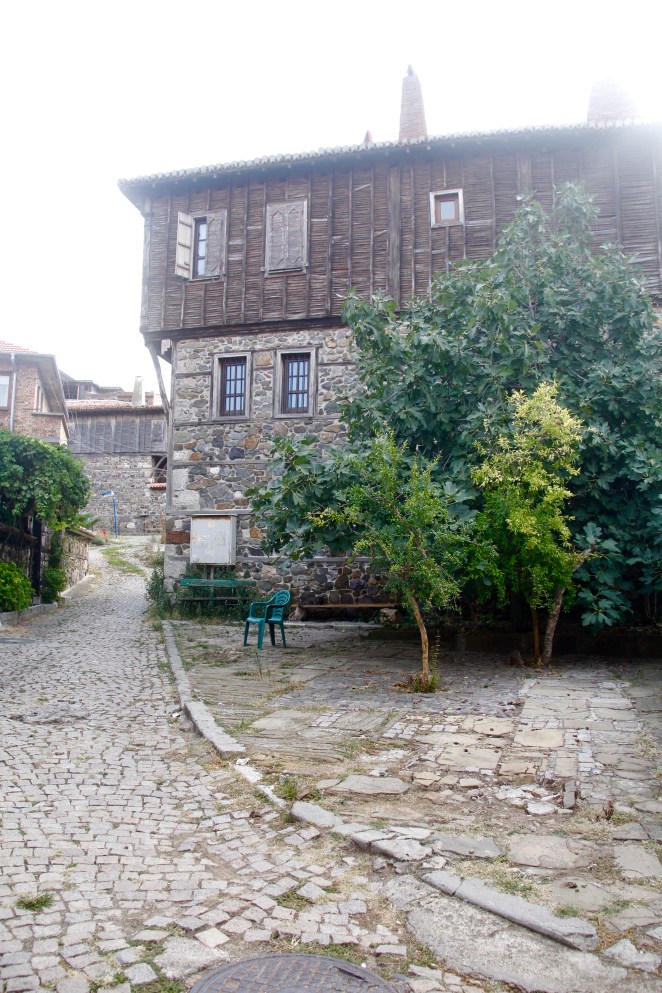
Some of the medieval landmarks of Sozopol are old wooden houses and structures, so we wandered deeper into the enchanting old town to get an eyeful.

fullsizeoutput_197dfullsizeoutput_1980fullsizeoutput_1981fullsizeoutput_1982fullsizeoutput_1984fullsizeoutput_1985fullsizeoutput_1987

After a few hours of wandering and picking up some postcards, we decided to grab a light dinner in the old and head home, just beating the impending rain.

fullsizeoutput_1988

Day 13: Ankle Breakers

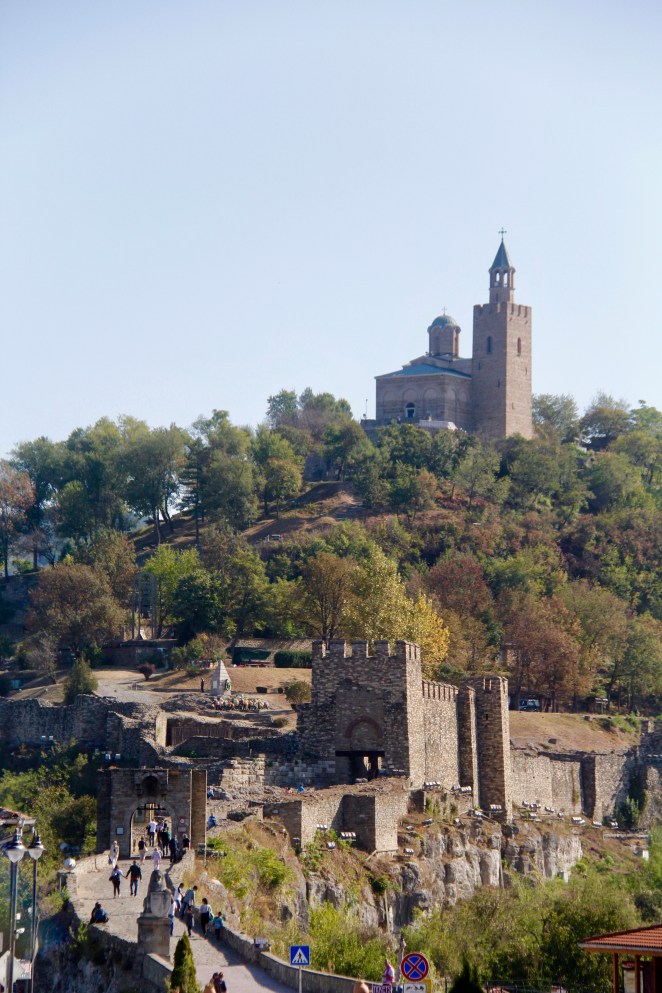
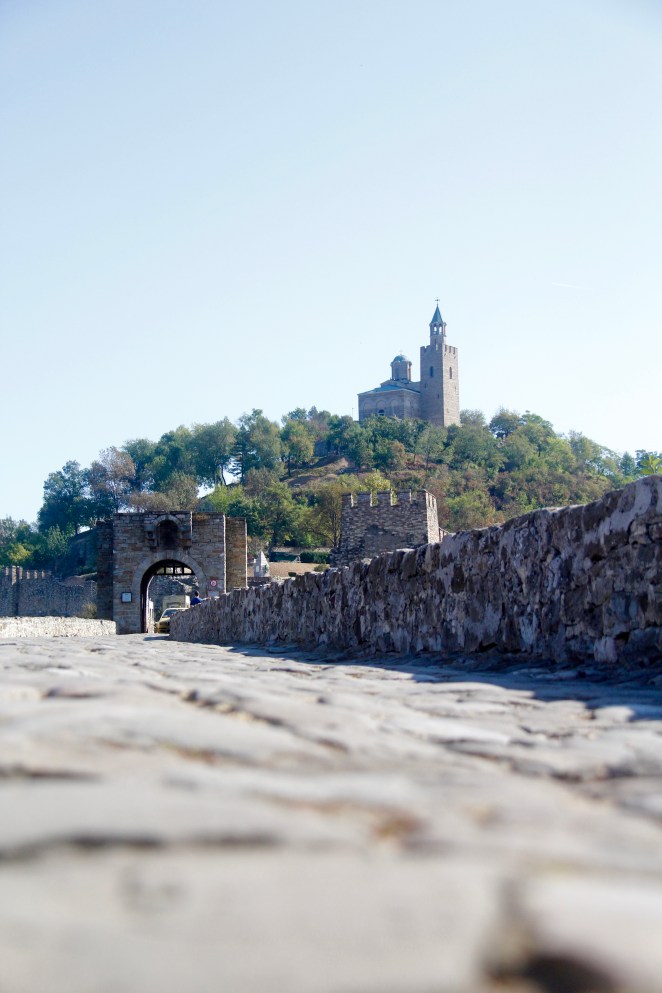
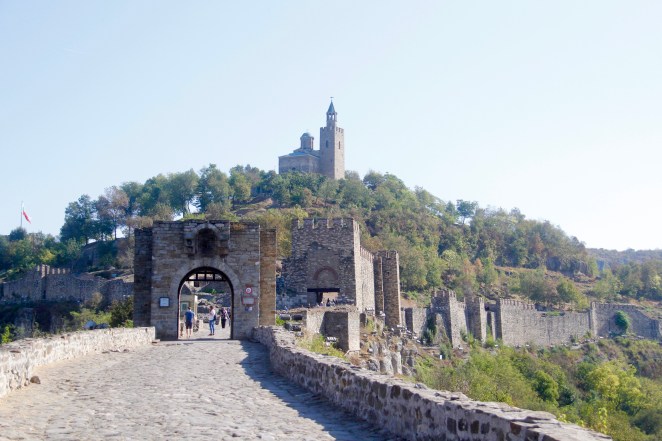
Today is our only full day in Veliko Tarnovo, so we decided to visit the Tsaravets Fortress, previously mentioned.  We wanted to do it early, because today was supposed to be a scorcher (it was).

fullsizeoutput_1893fullsizeoutput_1895

The winding road to the large gate is not particularly strenuous, but the cobbled road is so uneven and wobbly that every muscle in my legs were tense and straining, trying to avoid any sort of ankle break.

fullsizeoutput_1897fullsizeoutput_1899

The Fortress gives you a pamphlet when you buy your entrance ticket, advising to not sit or dance on the walls, safety rails are rare, and beware of reptiles.  Ma was extra vigilant, making sure she didn’t step on/see any snakes (no snakes were seen, only little gecko-type guys).  In typical Eastern European fashion, there were not a lot of safety rails or safety features for that matter, having the kind of attitude of “if you fall off and die, it’s your own dumb fault.  We warned you.”.

fullsizeoutput_189afullsizeoutput_189bfullsizeoutput_189cfullsizeoutput_18a8

We walked to the south end of the Fortress, where stood Baldwin’s Bastion, then decided to ascend the hill, up to the Cathedral.  The only thing we saw there that sort of tainted the experience, were 3 janky animatronic figures, a king, queen and other (???), some armour that you can put on and a wooden horse that you can sit on and have your photo taken.  The animatronics looked like rejects from Kiev Disney.

fullsizeoutput_18abfullsizeoutput_18acfullsizeoutput_18adfullsizeoutput_18b0

We climbed all the way to the top and entered the Cathedral, the Patriarchal Cathedral of the Holy Ascension of God, and the interior and icons were like nothing I had ever seen – minimal, a few brass chandeliers, and most of the saints in black and white in almost a graffiti style.  Very different, very effective.

fullsizeoutput_18b2fullsizeoutput_18b3fullsizeoutput_18b4fullsizeoutput_18b7

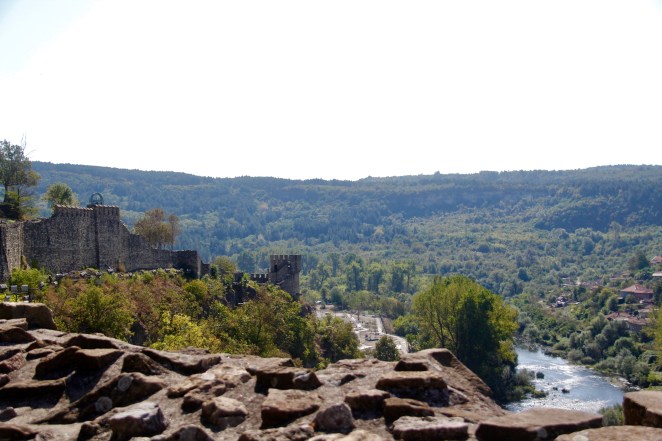
After enjoying the view from the top, it was time for lunch so we began our wobbly descent.  We ended up at an outdoor table at a little restaurant where I had a Bulgarian must-have dish – Shopska salad.  The salad is cucumber, peppers, red onion, tomato and topped with cheese.  Essentially Greek salad.  But the cheese the put on it is delicious – not quite as salty as feta with less crumble.

After lunch we headed back to Samovodska Charshia to pick up any gifts or postcards that we were missing and just wandered until the sun got too hot.

fullsizeoutput_18b9fullsizeoutput_18ba

We decided to find some ice cream and a nice patio to enjoy it from, so we found this one that overlooks the river as well as the Monument to the Asen Dynasty, an interesting looking and dramatic obelisk and statues dedicated to some of Bulgaria’s ancient leaders.

fullsizeoutput_18bc

All of our feet, ankles and legs were getting pretty sore, so when we were finished eating our ice cream, we found a leafy terrace beside a fountain and enjoyed some libations.

fullsizeoutput_18bd

For dinner we went to an inn that came highly recommended on the internet, and again sat outside (this entire trip we have not had one single dinner inside) and feasted on chicken kebab, broccoli, fries and Turkish coffee.

fullsizeoutput_18c3

We headed back to our hotel, grabbed a couple of bottles of beer and headed up to the roof top patio to watch the Fortress light up and enjoy our last night in Veliko Tarnovo before heading east tomorrow, to the Black Sea.

fullsizeoutput_18c2

Day 12: You Say Goodbye, and I Say Hello

Today is my birthday!  This morning we were up early and ready to go to meet our driver Viktor, who was to drive us from Bucharest to Veliko Tarnovo in Bulgaria.  We met Viktor and his grey Passat wagon, and off we went, leaving Bucharest and Romania behind, heading for the third and final country on our trip, Bulgaria.  To say that Viktor is an aggressive driver is an understatement.  Not only was he fast, but he had a full sized iPad attached to his dashboard where he would respond to text messages and look at photos of his kids.  After 2 hours and falling into some sort of stress sleep, I woke up to us pulling into the hillside Bulgarian town of Veliko Tarnovo.  We thanked Viktor for the ride and not killing us, checked into our hotel, and went for birthday lunch, where we had beer, pita and kebab.

fullsizeoutput_17e0fullsizeoutput_1842

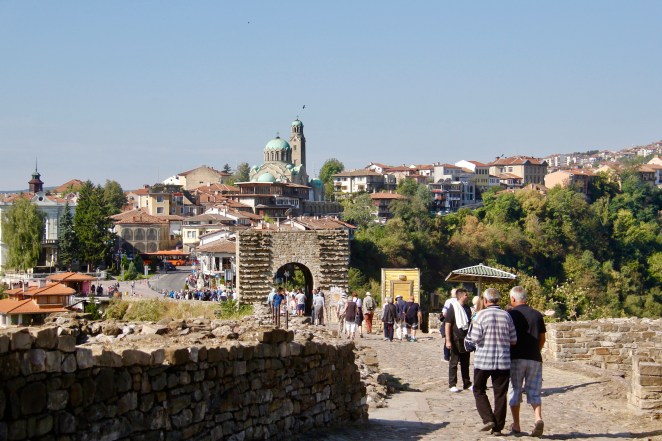
Veliko Tarnovo is a pretty town, architecturally very different from anything we’d seen so far on this trip.  The town is prized as it is an example of Bulgarian Revival architecture.  The town is built on the side of a hill, with Tsaravets Fortress on one end.

fullsizeoutput_184dfullsizeoutput_184efullsizeoutput_185dfullsizeoutput_185efullsizeoutput_185f

We decided that that afternoon we wanted to check out a street called Samovodska Charshia.  It’s an old time-y street filled with shops and craftsmen hawking their wares, as well as a few cafes.  Unbeknownst to us, this weekend is a Bulgarian national holiday (their Independence Day), so there were celebrations at every turn.

fullsizeoutput_1860fullsizeoutput_1863fullsizeoutput_1864fullsizeoutput_1866fullsizeoutput_1868fullsizeoutput_1869

As soon as we started researching where to go in Bulgaria and found Veliko Tarnovo, Ma wanted to pick up some handmade dishes.  There were so many to choose from, but she settled on some, and for myself I picked up a handmade steel pocket knife (I have a thing for knives) and a pair of hand stitched leather and sheepskin slippers (when I picked them up, the grim artisan looked at me and said ‘I made this’).

fullsizeoutput_186ffullsizeoutput_1879fullsizeoutput_187bfullsizeoutput_187d

There was music, food and revelry on every corner.  Everyone seemed pretty excited about the 3D laser show that would be projected at 2000hrs (I’m assuming a laser-Floyd type of production, showing the fight for Bulgarian independence).

For birthday dinner I wanted to try a restaurant called Shtastliveca as it purportedly has delicious food and a beautiful leafy patio, and sure enough it did – I had pizza margherita and a beer, Pa had pasta bolognese and Ma had chicken and baked potato.  For dessert Ma and I had the restaurant’s signature Biscuit Cake – a decadent concoction of marscapone and chocolate.  By the time we left, revellers were crowding the balconies overlooking the canyon, eagerly awaiting the 3D laser show.  We got back to our hotel in time to stand on the balcony and watch the fireworks (and I pretended they were for me).

fullsizeoutput_187e

Day 11: Bookarest

Today was our last day in Bucharest and our last full day in Romania, so we decided to spend the day tying up loose traveller ends in the city – the Palace of Parliament, and the Carturesti Carusel Book Shop.

We had seen many photos of the book shop on Pinterest and other websites.  Opened in 2016, the beautiful shining white beacon of book heaven boasts 6 floors including music in the basement and a bistro on the top floor.  We love books and book related things, so we were more than a little excited to check it out, and it did not disappoint.

fullsizeoutput_1785fullsizeoutput_1786fullsizeoutput_1787fullsizeoutput_178a

There were plenty of books in English, not just Romanian for us to drool over, as well as a whole wall devoted to one of my favourite things, stationery.  The shop was everything I wanted it to be and more.  I probably could have spent a whole day there, and if there was a shop like this in the Lower Mainland, I would go there at least once a week.

fullsizeoutput_178b

After getting dragged out of the shop, we headed across town to a concrete Communist colossus – the Palace of Parliament.  One thing I haven’t really talked about on here was Romania’s years behind the Iron Curtain under the brutal rule of dictator Nicolae Ceaušescu.  Under his thumb the country went broke and starved, all the while he was emptying Romania’s coffers into his selfish passion project, the Palace of Parliament.

fullsizeoutput_178cfullsizeoutput_178d

Ceaušescu ordered that 7 square kilometres of old town be demolished, including the national archives, several churches and synagogues and 40,000 people had to be relocated.  He insisted that only Romanian materials were used – tapestries, marble, wood, crystal.  Between 20,000 to 100,000 people worked on the building with several thousand dying in the process, some under mysterious circumstances.  The Palace is now considered the 2nd largest administrative building in the world at 3,930,000 square feet  (1st is the Pentagon) and the heaviest building in the world (I don’t know), weighing about 4,098,500,000 kilograms, causing it to sink about 6mm every year.  Because it’s only actually 65% complete, civilians are only able to view a small part of it.  We tried to get in for a tour, but were unsuccessful.

fullsizeoutput_178efullsizeoutput_1790

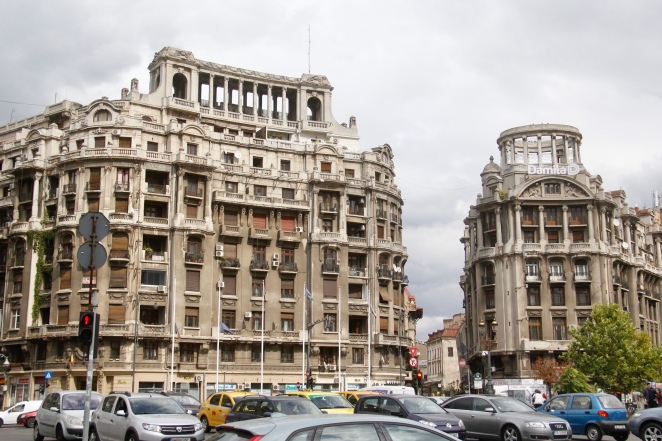
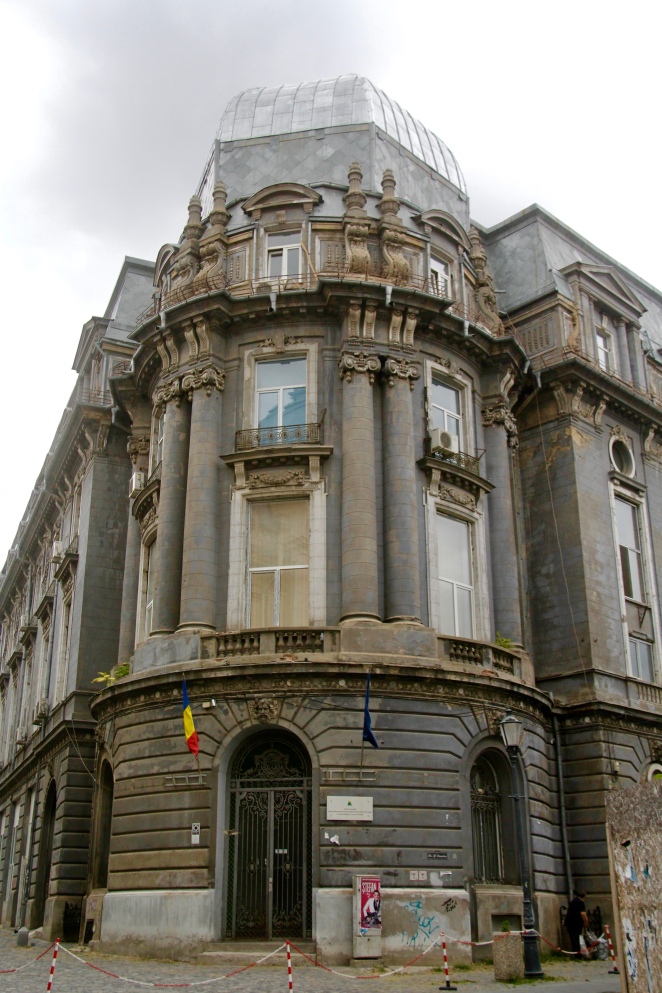
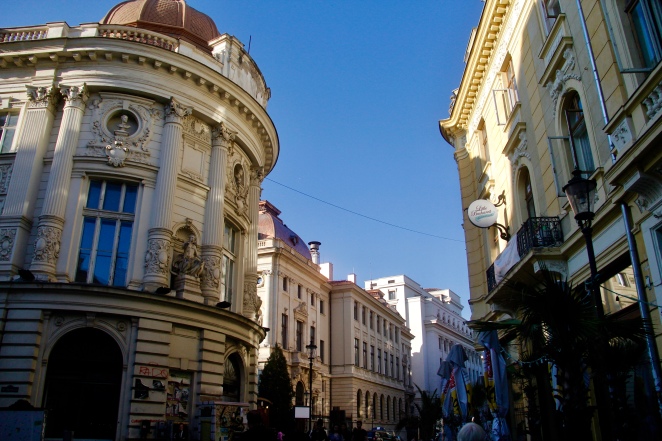
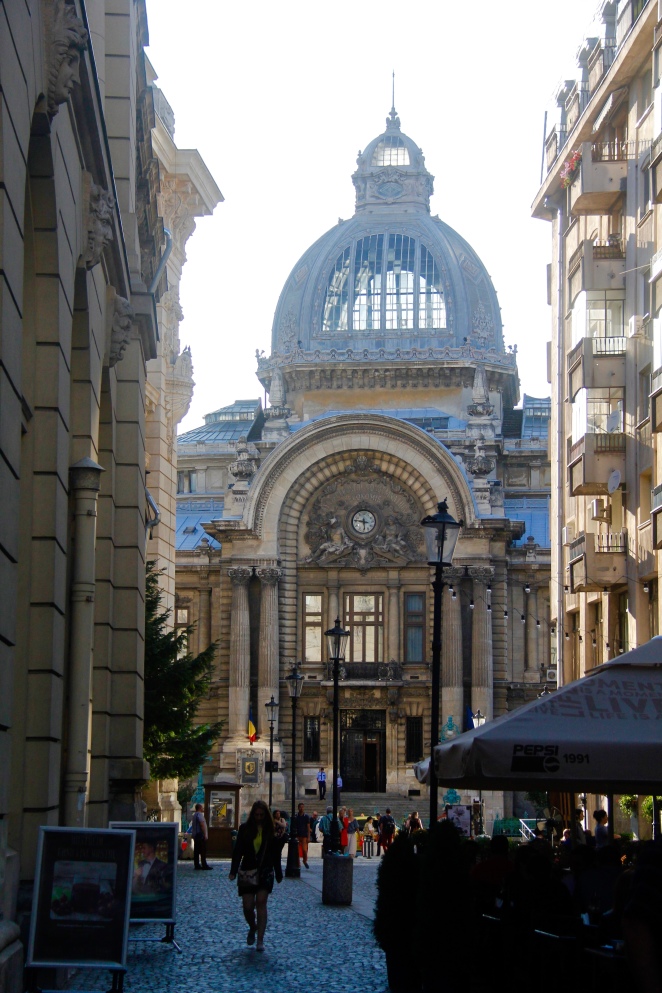
We decided to walk back to the old town and admired some of the faded glory of the city along the way.  Bucharest used to be known as the Paris of the East, but due to the extreme poverty that the city was subjected to, it is a mere shadow of its former self.

fullsizeoutput_1791

We found a delightful little ice cream shop called Emilia Cremerie and indulged (I had vanilla and pistachio and almond).

fullsizeoutput_1792fullsizeoutput_1794fullsizeoutput_1795fullsizeoutput_1796fullsizeoutput_1797

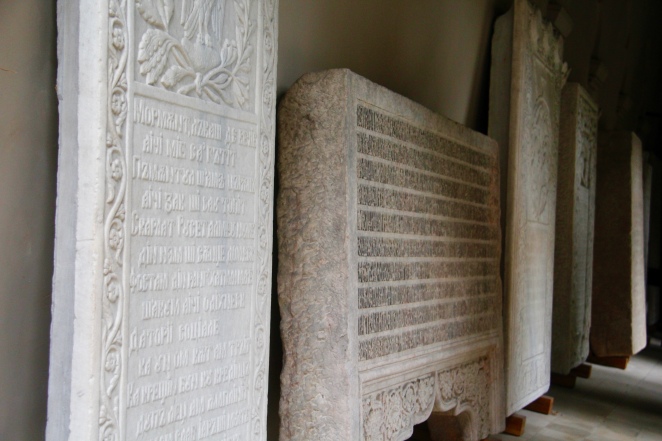
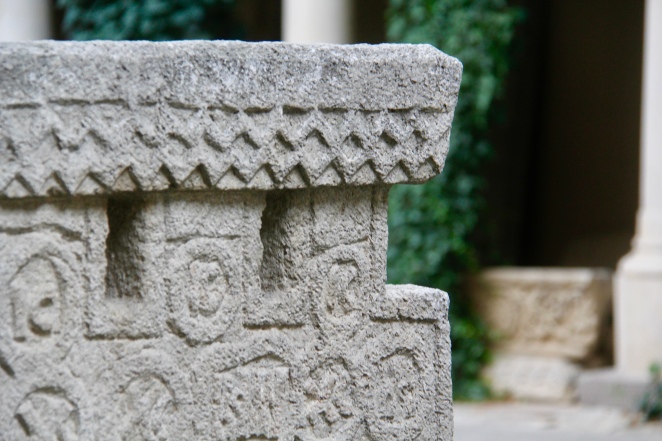
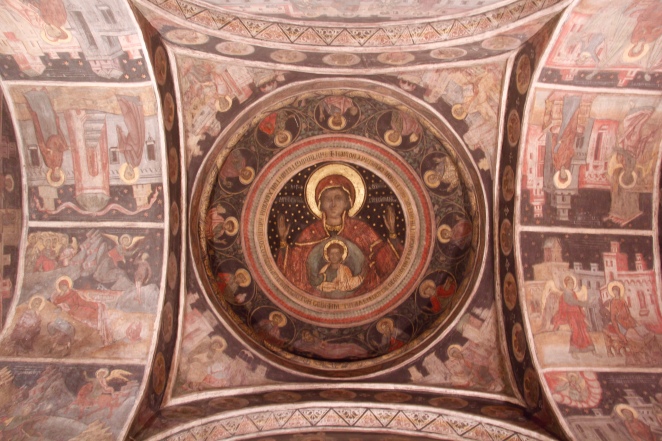
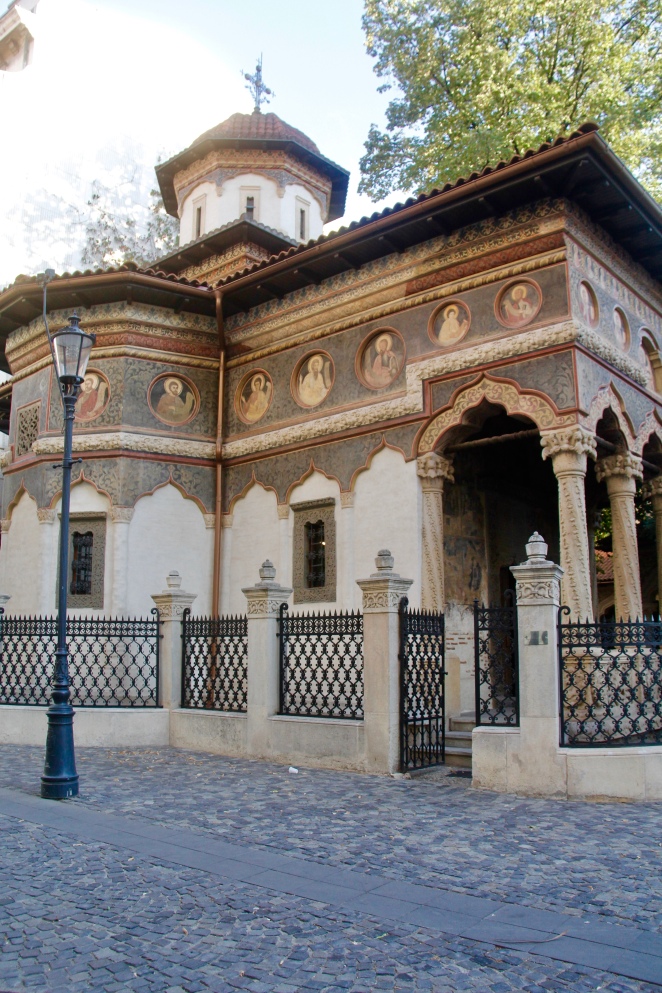
Our last activity before dinner and then locking ourselves in for the night was to check on the Stavropoleos Monastery.  It’s a tiny little Eastern Orthodox church with a little courtyard and monastery building.  It was built in 1724 and houses many sacred manuscripts and texts, as well as stonework, art and icons that were almost destroyed when the Communist government started knocking down churches.

fullsizeoutput_1798fullsizeoutput_1799fullsizeoutput_179afullsizeoutput_179bfullsizeoutput_179cfullsizeoutput_179dfullsizeoutput_179efullsizeoutput_179ffullsizeoutput_17a0fullsizeoutput_17a1fullsizeoutput_17a2

After a delicious dinner of kebab where I caught sight of my future husband (he is unaware at this point), watched an English bachelor party slowly descend into drunken tomfoolery and listened to an American blowhard wearing a shirt that said “I’m jealous of me too” talk NON STOP about women, girls he’s slept with, how to properly aerate red wine because “no one else knows how to do it”, what he would say to Bucharest to better their tourism scene, etc etc etc, we headed back to Casa DeCaigny to pack for our travels tomorrow, destination Bulgaria.

Day 10: If I Should Stay, I Would Only Be In Your Way

With heavy hearts, this morning we packed our things and spent as much time as we could in our awesome loft at Drachenhaus in fantastic Brašov before having to catch the train to our final destination in Romania, the capital city of Bucharest.  Seriously, if you’re looking for a place to travel that has natural and architectural beauty, lovely people, delicious food, good climate and VERY low cost, Brašov is the place to go.  I can’t say enough good things about it.

We headed to the train station and after dodging the gaze of some rather unsavoury looking adolescent males, we climbed aboard yet another train, pushing further east.  The train ride was mostly scenic – cut through the Carpathian Mountains with its green fields and babbling brooks.  Beethoven’s Symphony 6 – the pastoral comes to mind.  Clear of the mountains, the landscape is again flat, mostly farmer’s fields.  At 1600hrs our train pulled into Gara de Nord in Bucharest, only slightly less sketchy than the Gard du Nord in Paris.  Climbing off of the train we noticed a few regular police, some ERT looking guys as well as Gendarmerie escorting an older man and his wife off in handcuffs.  I really wish I knew what this guy did.

Anyhow, we got a taxi (apparently you’re better off using Uber in Bucharest, but we found that out later) and were dropped off at the pedestrian only old town, clacked our rolling luggage over the cobblestones and found our apartment for the next two nights, RedLotus Accommodation.  Our contact there, Andrei, was a wealth of info and led us up the 87 flights of stairs to our 2nd storey apartment, which is enormous.  We dumped our bags and headed out for some photos and dinner.

fullsizeoutput_172cfullsizeoutput_1744fullsizeoutput_1752fullsizeoutput_1756fullsizeoutput_1765fullsizeoutput_1766

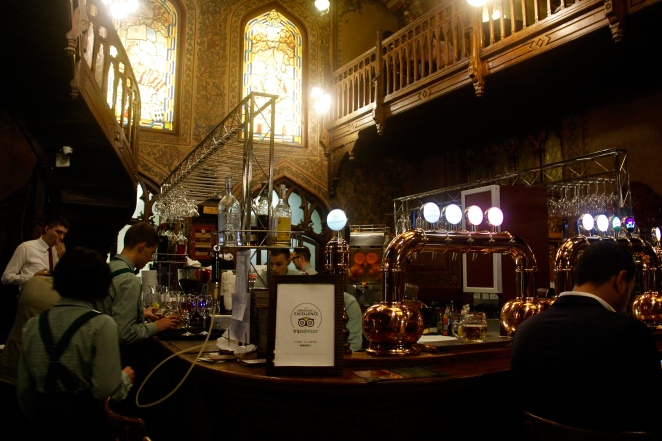
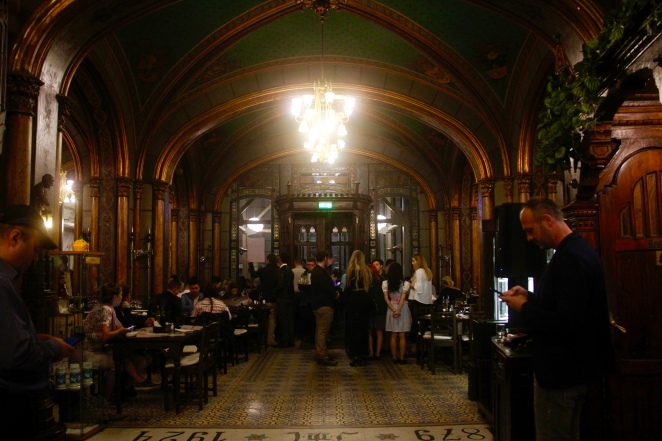
A restaurant that both Pa and I had read a lot about is a place 4 minutes from our apartment called Caru’ cu Bere – “The Beer Wagon”.  Caru’ cu Bere is an old Belle époque beer hall with wood and stained glass décor and a beer recipe dating back to 1879.

fullsizeoutput_1767fullsizeoutput_1769

We grabbed a table outside and ordered beers from our charming waiter who advised that there was only 2 minutes left on their happy hour deal of buy one beer, get the second free, so Pa and I both ordered 2 beers.  Pa and I dined on huge, juicy t-bone steak while Ma had grilled vegetables and mashed potatoes.  Ma ended with apple strudel and Pa and I had some ice cream.

fullsizeoutput_176afullsizeoutput_176bfullsizeoutput_176dfullsizeoutput_176f

We went inside to check out the amazing interior, and ended up getting blocked in by traditional dancers.

fullsizeoutput_1770fullsizeoutput_1773fullsizeoutput_1771

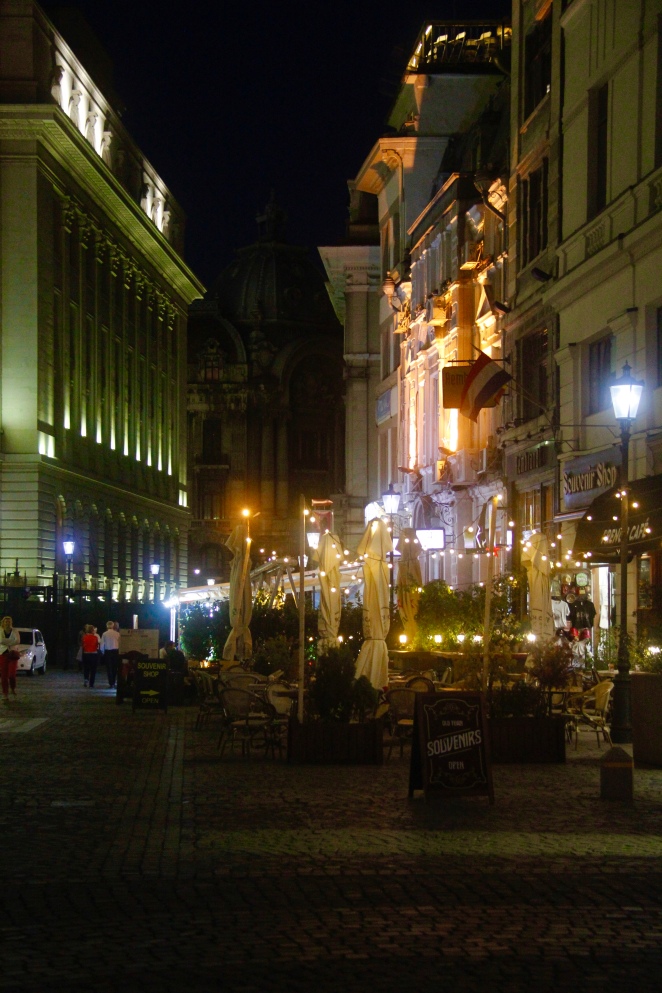
Once we made our escape, we headed out into the cool evening and wandered the street for a few minutes before tucking in for the night.

fullsizeoutput_1777fullsizeoutput_1779fullsizeoutput_177afullsizeoutput_177b

Day 9: Once Again…Welcome to My House

Today we were up pretty early and out the door to catch a tour.  We signed up with Viator to see Bran Castle, Râšnov Fortress and Peleš Castle.  After a bit of a kerfuffle, we met our tour guide and driver Manuella (Manu) and the four others on our tour.  We loaded up the mini bus and were on our way to the town of Bran, where Bran Castle lies.

fullsizeoutput_16bf

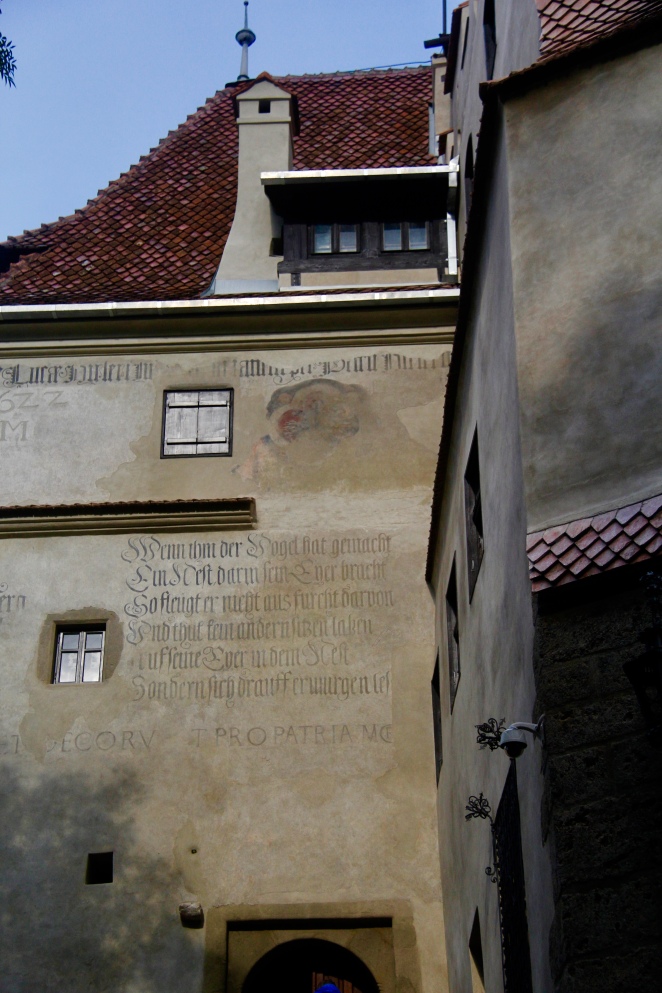
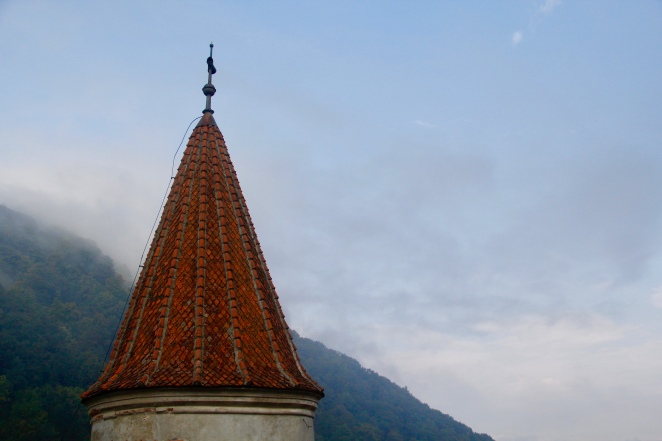
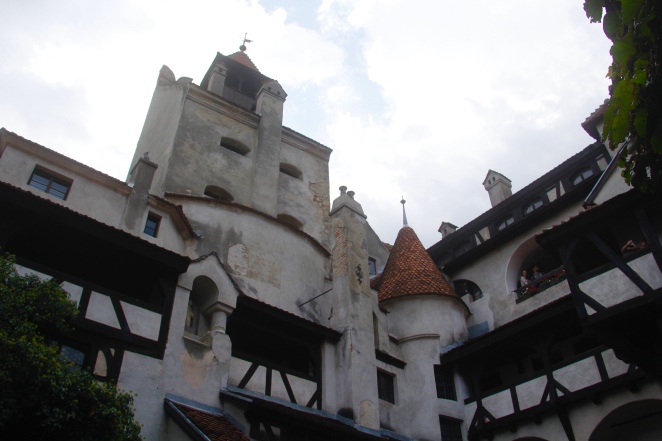
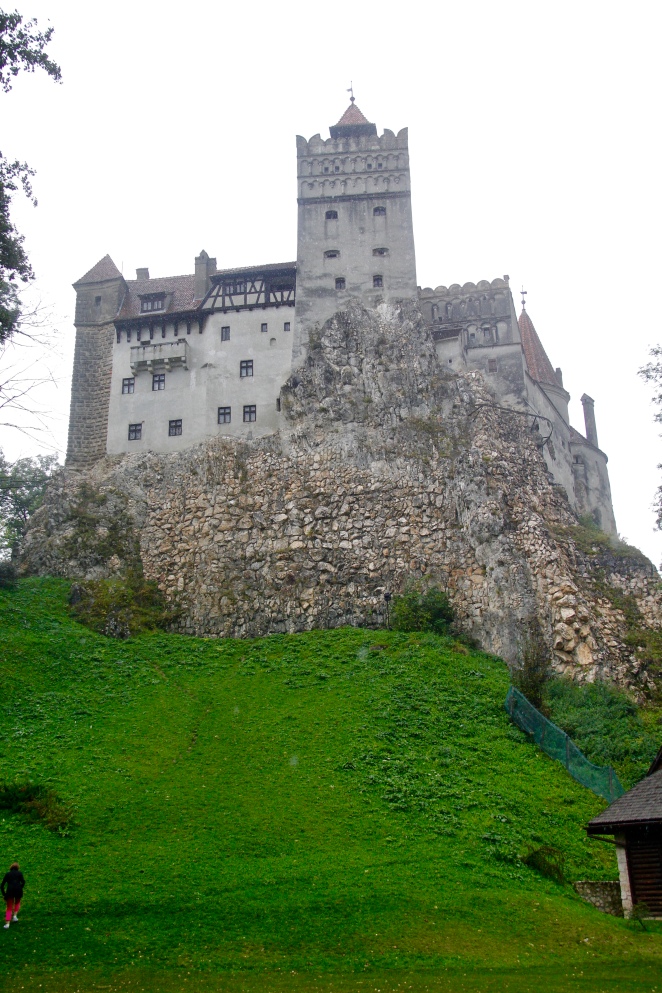
Bran Castle was built by the Teutonic Knights in 1212 and belonged to various Saxon and Hungarian kings until the 20th century when Transylvania, Wallachia and Moldavia finally united to become the country of Romania.  The castle became a favourite residence of Queen Maria who spent a lot of her time there.

The castle is probably more famously known as Dracula’s Castle.  There is no evidence that Bram Stoker spent any time there whatsoever, but in the 1970s the Romanian Communist government discovered what a big money maker vampire-related things were, so they funded a bunch of research to see which castle beloved Wallachian monarch Vlad Dracula probably spent the most time in, and their findings (???) were that he probably spent the most time at Bran Castle.

fullsizeoutput_16c0fullsizeoutput_16c1fullsizeoutput_16c2fullsizeoutput_16c3

The weather was appropriate for the castle – some blue sky, by mostly rainy and misty.  Our tour guide Manu talked to us about the history of the castle on our drive there and how the Romanian people LOVE Vlad Dracula as he had the courage to stand up to the aggressive and ever-expanding Ottoman Empire.  She also explained his name, as he is known as Vlad Dracul, Vlad Dracula, Vlad the Impaler and Vlad Tepeš.  It turns out that his dad was Vlad Dracul (the Dragon) and as our Vlad was the first born son, his was known at the time as Vlad Dracula (son of the Dragon).  He wasn’t called Vlad the Impaler until 200 years after his death, and Tepeš is Romanian for Impaler.

We parked the bus, walked a gauntlet of cheesy chachki, trinkets and trash and climbed the steep, slick stone path up to the castle.

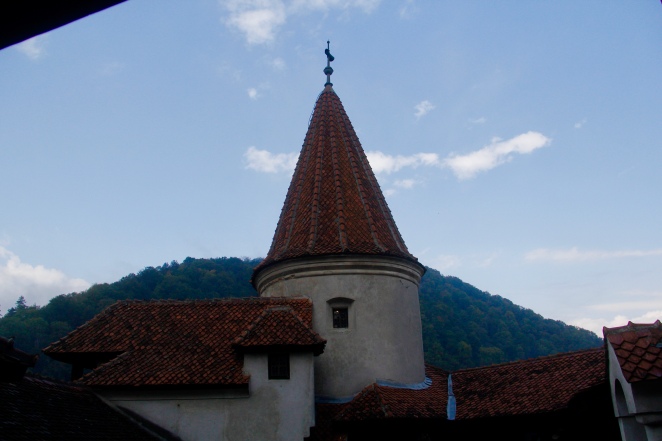
The interior of Bran Castle is not spooky or gloomy at all.  The decor was pretty tasteful and walls were all painted white.  We filed through a sunny courtyard, secret passageway (claustrophobics BEWARE), library and bedrooms.

fullsizeoutput_16c4fullsizeoutput_16c5fullsizeoutput_16cafullsizeoutput_16cc

Manu advised us that the best time to visit the castle is in November as crowds are the most thinned out and that in July and August it’s an absolute nightmare – people shuffle through so slowly the halls and passages become unbearably hot and stuffy.

fullsizeoutput_16cdfullsizeoutput_16cffullsizeoutput_16d0fullsizeoutput_16d1

After about 30 minutes inside we headed back down the hill to a trail crossroads where Manu said is the best vantage point to take photos.  By that point the sky had really opened up and we were caught in the downpour.

fullsizeoutput_16d2fullsizeoutput_16d3fullsizeoutput_16d5fullsizeoutput_16d6fullsizeoutput_16d7

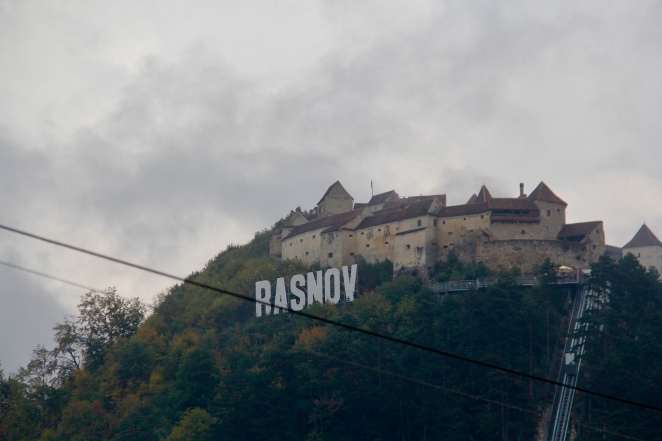
We all loaded back in the bus and sped off to our second visit, Râšnov Fortress.  The fortress is about halfway between Brašov and Bran Castle, perched high on a hill and, like Brašov, boasts its own Hollywood-style sign.
fullsizeoutput_16d8

Râšnov was again built by Teutonic Knights in the 1200s and Romanians boast that it is the only undefeated heavyweight champion of fortresses (they don’t count the time in the 1600s when an Austrian ruler heard that fact, decided to conquer it out of pride, almost gave up, but then found the fortress’ water source and blocked it, effectively making the fortress surrender.  They say that it wasn’t technically conquered in “battle”.  Semantics…)

Anyway, we parked the bus again and climbed aboard a tractor headed for the top of the mountain.  On the way up we passed by a Dino World.  There have not been any dinosaurs dug up in Romania, it was just another money-making idea.

fullsizeoutput_16d9fullsizeoutput_16dafullsizeoutput_16db

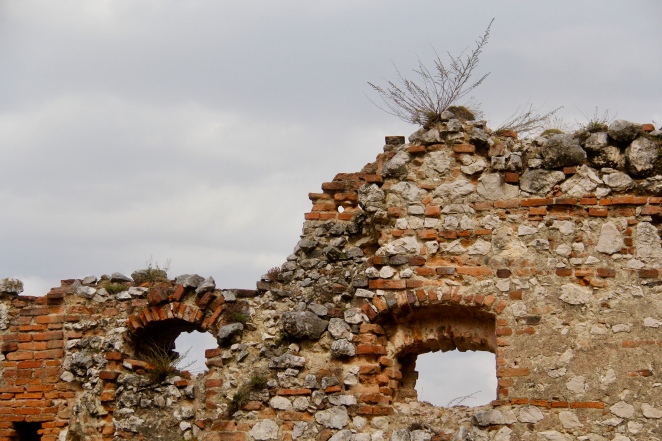
Most of the fortress is in ruins or in various stages of deterioration, but we climbed all the way to the top over some jagged and precarious rocks for a pretty stunning view of the forested mountains around and green valley below.

fullsizeoutput_16dcfullsizeoutput_16ddfullsizeoutput_16defullsizeoutput_16df

After we had had our fill of the fortress, we hopped back on the tractor for the ride down the mountain.  Then we were back on the road, stopping at a gas station for a coffee and a snack.  Turns out gas station food in Romanian is really fresh and tasty and a popular place to get snacks, unlike the Russian roulette of “meat” and “sandwiches” and “sushi” that Canadian gas stations offer.

We then headed to our final stop, Peleš Castle, which was a 40 minute drive.  On the way, Manu told us about Romania’s relationship with their favourite animal, the European Brown Bear.  Romania is one of the only countries left in Europe where you can find a lot of wildlife, including bears, and they are very proud of that.  She told stories of how there used to be so many bears on Mount Tampa in Brašov that people were routinely getting attacked and that the bears would often wander into town looking for food.  They also joke about the “Brašov Friendship Test”, stemming from a bear attack a few years ago (two American students went hiking on Mount Tampa after 1800hrs, which is advised against, when they startled a bear and started running.  The bear chased them, and one of the students tripped and fell and the bear attacked him.  The other student came back for his friend, kicked the bear and got his friend to safety), as well as their bear sanctuary that rescues bears from circuses and zoos the world over.

We entered the town of Sinaia, a beautiful resort town, popular in the summer for the cool and refreshing air and popular in the winter for the mountains and skiing.  Like a Romanian Whistler.  There were stunning hotels and guests houses lining the streets, and at the end of a cobbled road arose the exquisite Peleš Castle.

fullsizeoutput_16e4

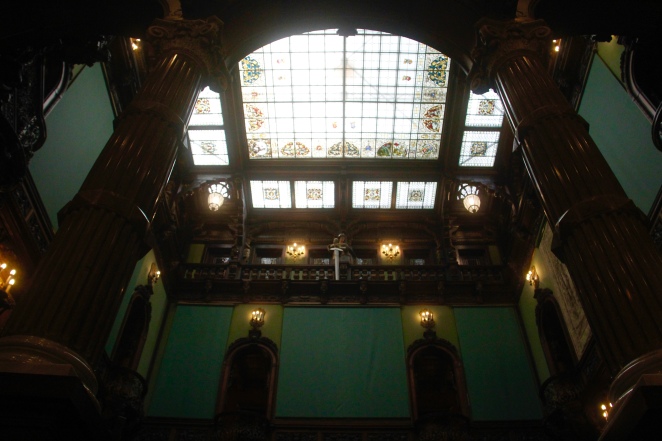
Construction on this Neo-Renaissance masterpiece was started in 1873 after King Carol the First fell in love with the alluring surroundings and fertile hunting grounds.  It took just over 40 years to complete and sadly King Carol could only enjoy the castle for a short time as he died a few months after construction was completed.  Eventually in 1947 the monarch of the time King Michael was forced to abdicate the throne and the castle was seized by the Communist government and used for government meetings and functions. After the Romanian revolution in 1989, the castle was deemed a heritage site and re-opened to the public.

fullsizeoutput_16e6fullsizeoutput_16e8

The castle boasts a lovely manicured gardens, complete with statues and fountains.

fullsizeoutput_16e9fullsizeoutput_16ebfullsizeoutput_16ec

We gawked at the pretty exterior until it was time to start the guided tour.  We don’t often do guided tours when we travel, and today was another reminder why we made that decision – although the castle was beautiful and well worth seeing, we hate getting corralled through, everyone together, most people rude or pushing or not following the rules.  Nonetheless we put on our blue protective booties, paid our photography tax and started shuffling through with the rest of the group.
fullsizeoutput_16eefullsizeoutput_16effullsizeoutput_16f0fullsizeoutput_16f1

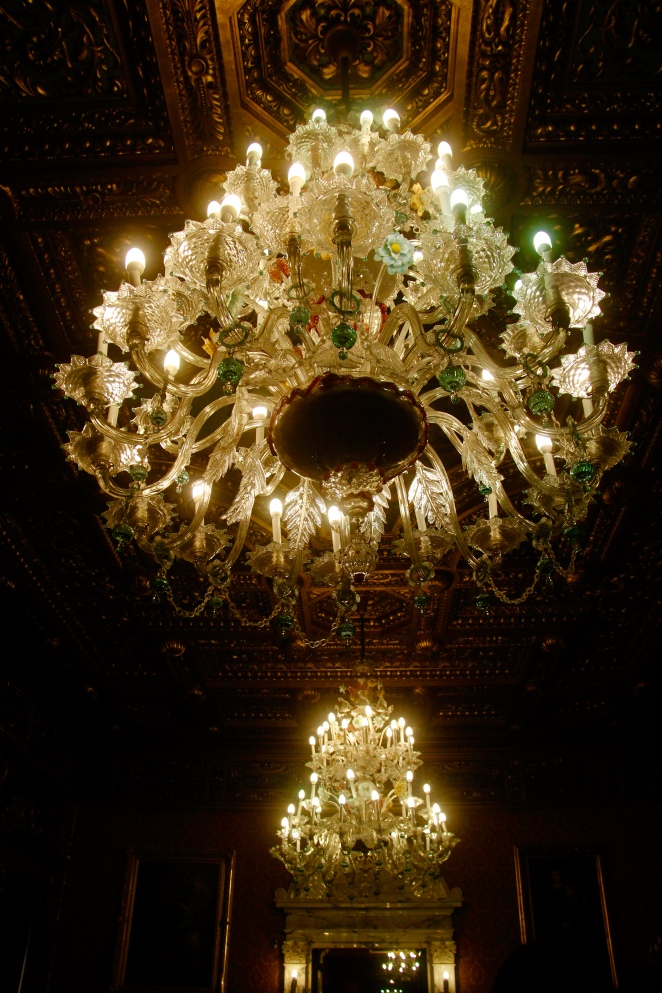
Although I haven’t been to many castles, Peleš is definitely the stand out – sumptuous woodwork and elegant glass and mirrors highlight the rooms.

fullsizeoutput_16f3fullsizeoutput_16f5fullsizeoutput_16f7fullsizeoutput_16f8

There is even a beautiful two storey library with a spiral staircase and a secret passage (it’s the cabinet on the right, where the books look flush with the glass).

fullsizeoutput_16f9

fullsizeoutput_16fafullsizeoutput_16fbfullsizeoutput_16fcfullsizeoutput_16fdfullsizeoutput_16fefullsizeoutput_16fffullsizeoutput_1701

After 40 minutes in the castle, our tour of not only Peleš was done, but so was our grand tour for the day.  Manu dropped us off right in front of Drachenhaus and recommended a restaurant in the old town called Bistro de l’Arte for dinner.  We said our goodbyes and headed for dinner, enjoying our meals while watching the clouds roll in.  We got back to our hotel just in time to enjoy another thunder and lightning storm for our final night in Brašov.

 

Day 7: There Is a Reason Why All Things Are as They Are

This morning we woke up early, left the money on the dresser and bid adieu to our apartment in Sibiu.  We had breakfast in the Piata Mare, caught one last glance at the beautiful little town, caught a cab and were on our way to the train station.  Sadly, the train station in Sibiu doesn’t look (or smell) any better during the day than it does at night.  We found our platform and hopped onto our Inter-Regional City train, heading further east and deeper into Transylvania, towards the foothills of the Carpathian Mountains.
The scenery from the train was again beautiful – lush green fields and forests, shepherds tending their flocks and pretty little villages dotting the landscape.  At around noon we pulled into Brašov station, got a cab (the drivers are a little less Grand Theft Auto in Romania as they are in Hungary, but still on the aggressive side) and checked our bags into our hotel, Hotel Drachenhaus (means Dragon House).  Our room wasn’t ready yet, so we decided to hit the town and grab some lunch.

fullsizeoutput_1677fullsizeoutput_1678fullsizeoutput_1679

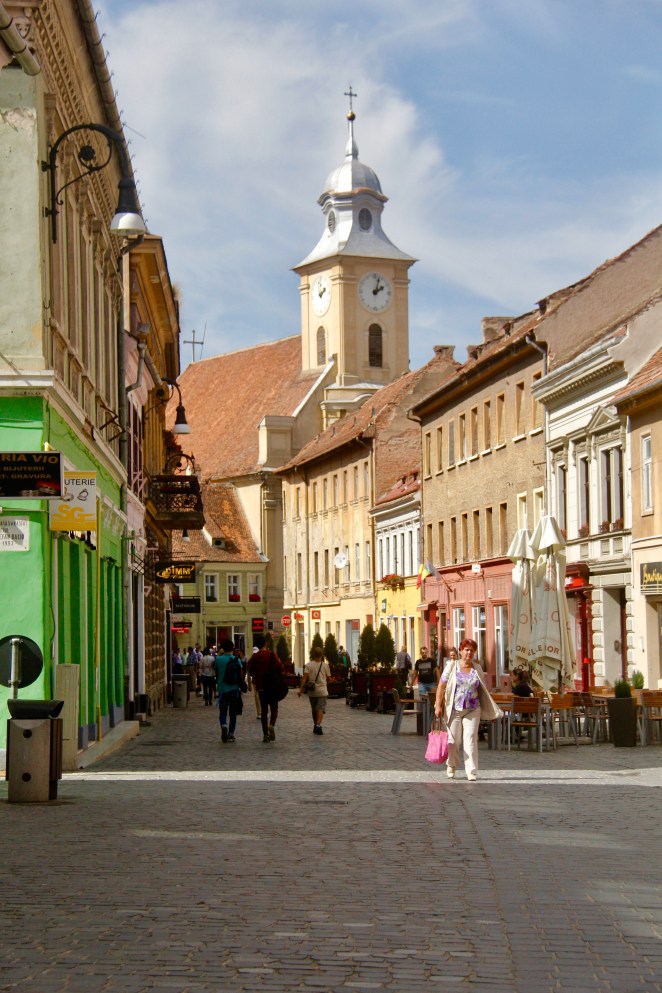
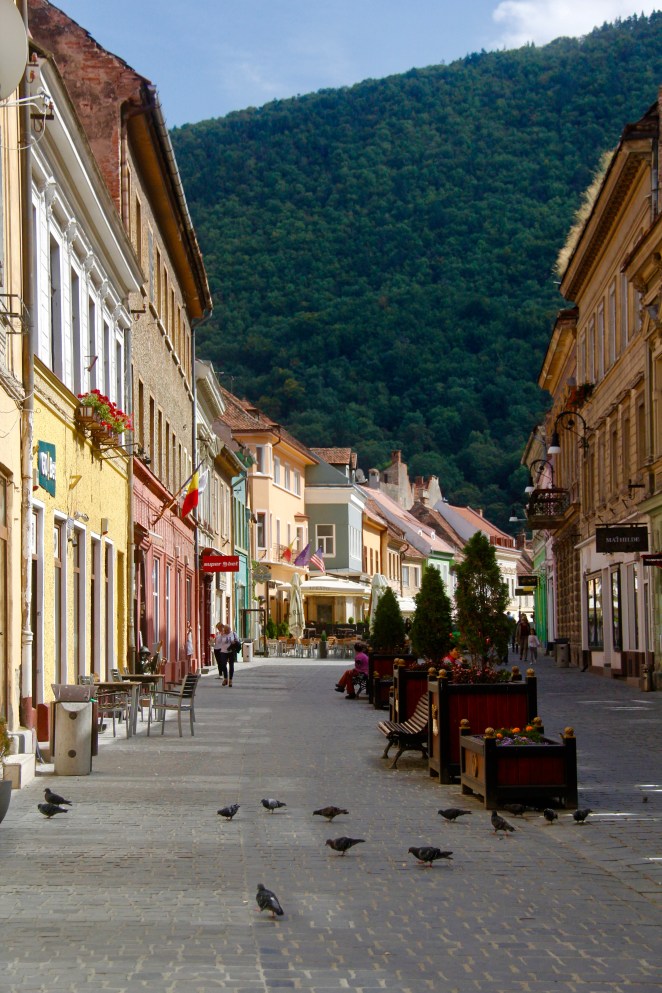
Brašov’s old town is magical – stunning architecture built in front of a back drop of a rich green behemoth called Mount Tampa that also boasts the town’s name at the top in grand letters, “Hollywood” sign-style.  There were sidewalk terraces and restaurants stretching out in every direction as far as the eye could see, and endless streams of people sauntering up and down the streets.

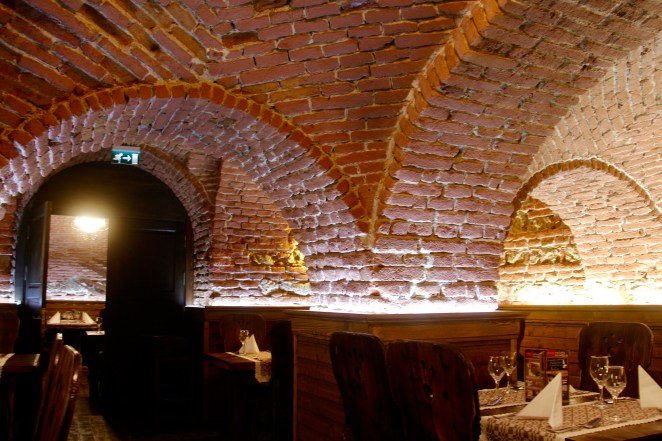
The concièrge at Drachenhaus recommended a restaurant called Sergiana, a labyrinthian cellar that offers up authentic Romanian fare, which as it turns out, is pork heavy.  Because I am not a fan of pork in general, I have the very flavourful chicken noodle soup.

fullsizeoutput_167a

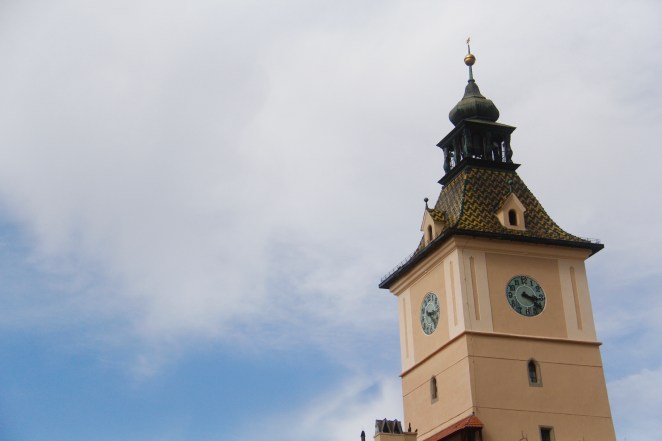
We settled up and decided to head to the town’s main square, Piata Sfatului (Council Square), which is apparently the site of a lot of torture and the last witch burning in Europe.

fullsizeoutput_167bfullsizeoutput_167cfullsizeoutput_167dfullsizeoutput_167efullsizeoutput_167ffullsizeoutput_1680fullsizeoutput_1681fullsizeoutput_1682

The Piata is lovely – large and clean with a fountain in the middle.  We walked around it, ogled charming clothing boutiques and book shops, and enjoyed some iced coffee with Bailey’s in the afternoon sun.

Ma and Pa wanted to check out the laundromat situation, so I sat in the square and people watched, sipped sparkling water and took a few photos.

fullsizeoutput_1683fullsizeoutput_1684

When Ma and Pa returned, it was nearing dinner time and I wanted to try a restaurant I had read a bit about back home – La Ceaun.  It was easy to find as we had passed it earlier in the day and we quickly found a table at the outdoor patio section.  La Ceaun is Romanian for “Cauldron”, and all the main dishes are slow cooked from local ingredients.  Ma ordered the chicken pot pie and Pa and I ordered the meatballs in mushroom sauce with potatoes.  Our waiter, Raz, was delightful – funny and wry with a quick wit – and informed us that the meals would take about 20 minutes as they make them pretty well to order.  Pa and I indulged in several local beers and when our food arrived, it was everything we hoped for – warm, flavourful and hearty, enjoyed with street musicians playing our Transylvanian soundtrack as we ate.  We then ordered dessert, I had a latte and dad had an apple Palinka, and after paying the hilariously inexpensive bill, we headed back through the darkened yet still busy streets of Brašov to Hotel Drachenhaus.  We huffed it up the 4 flights of stairs to our loft suite – which looks exactly like the kind of place I would want to stay in in Transylvania – a spacious attic with exposed wooden beams with small windows facing Mount Tampa.

fullsizeoutput_1685

Tonight, I falls asleep with the Brašov sign shining through my window and the church bells ringing in my ears.