Day 2: Golden Age

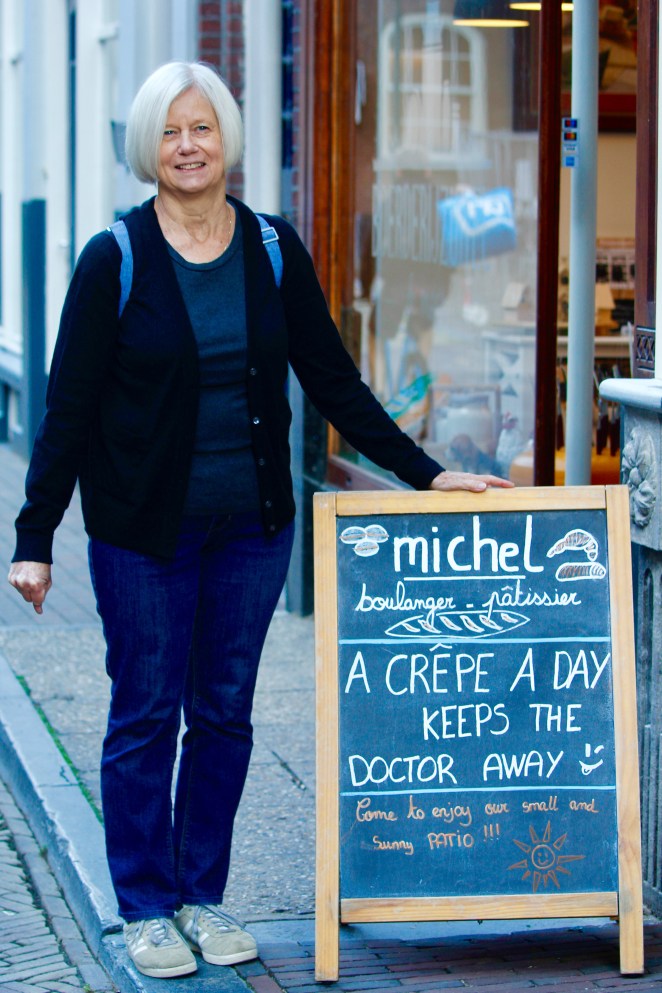
This morning we knew we would not need alarm clocks because the same jet-lagged sleep happens to us every year – in bed super early, awake super early.  This morning I was awake by 0430hrs and Ma and Pa were already awake.  We decided to get up and leisurely get ready for breakfast (served at 0700hrs) and the day exploring Delft. The breakfast served by our hotel was delightful and everything we would ever need – strong coffee, Dutch pancakes and fresh, buttery croissants.  We finished by about 0745hrs and hit the town.
EFB9A1BA-40FD-4C09-916F-F5B4F491829E96A682C4-8506-4D37-9342-32F4E6206EA918B74862-1829-4BF4-8652-3402D8A54A40550FAA11-E02F-431B-B180-953A3FDC082259389628-21D1-4378-8BFF-AF7EB956DD0288A2C759-AF12-4B5B-B8D3-0C011703EB733F29CE1C-4CB9-4033-A13F-103AEAAFE386

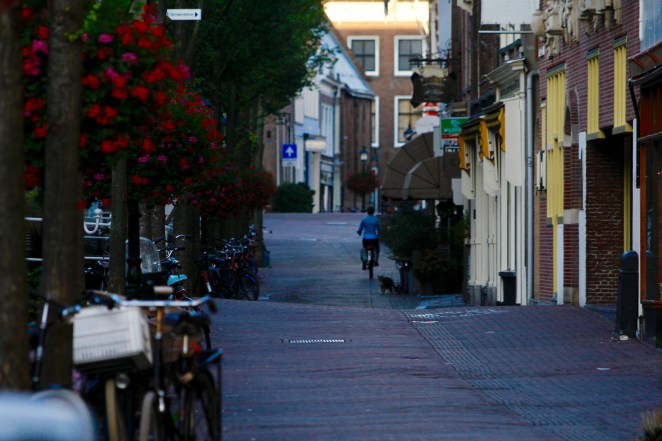
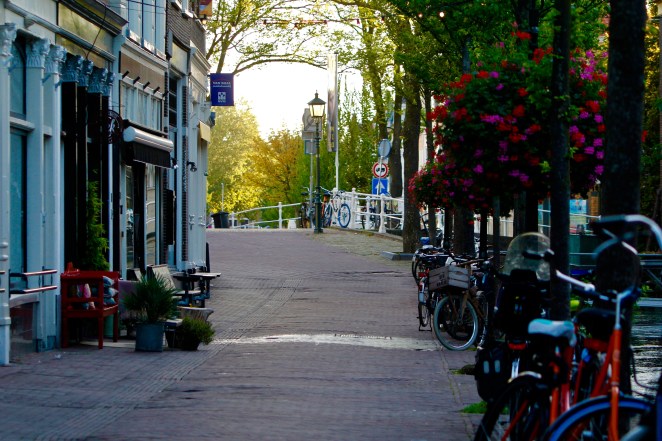
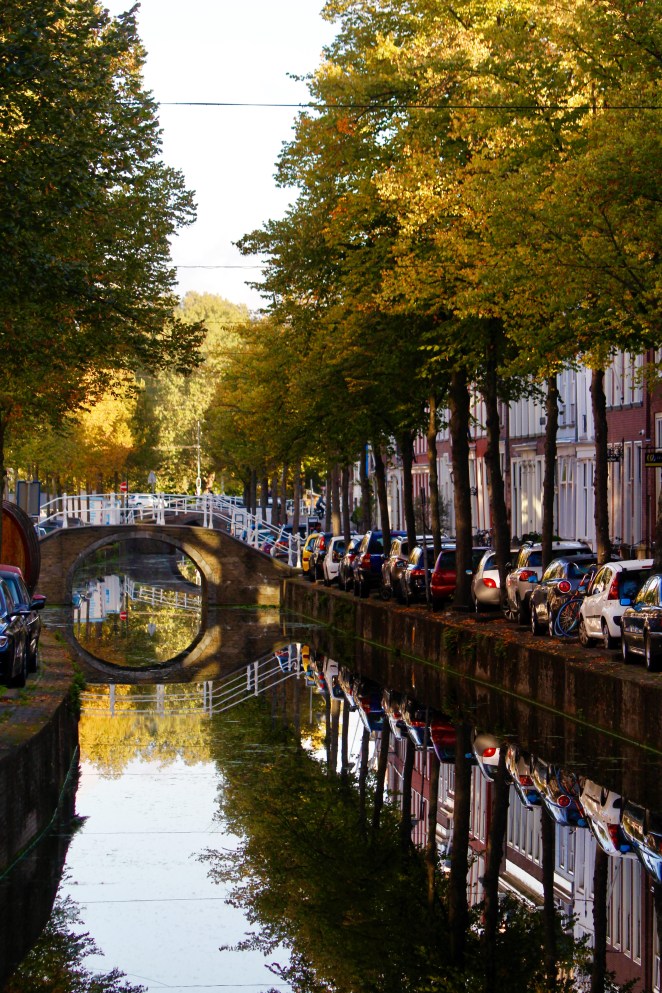
Because we were up and about so early, we had a lot of the old town to ourselves as well as beautiful early morning light.  It’s definitely autumn in Delft as there is a chill in the air, but the sun is still warm.

D2D44890-95ED-4022-8700-9E4CB69ADD0902F91B78-AEEE-48DB-8EBF-D01E72C2DEFE82CE55F2-A4E3-4C96-A1BA-0436C3C693A129B4AE2E-5134-474D-902C-51D6FA4D4110

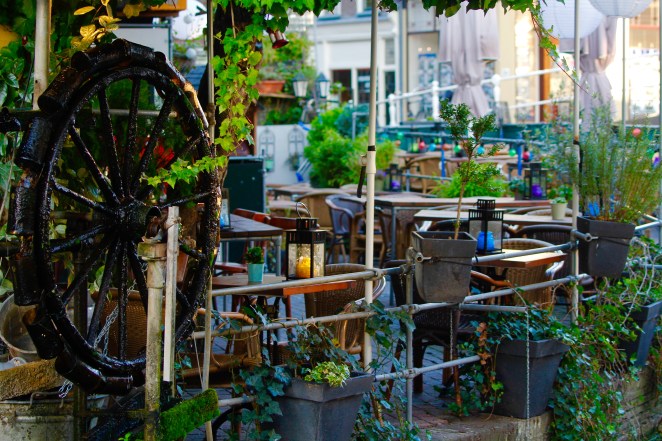
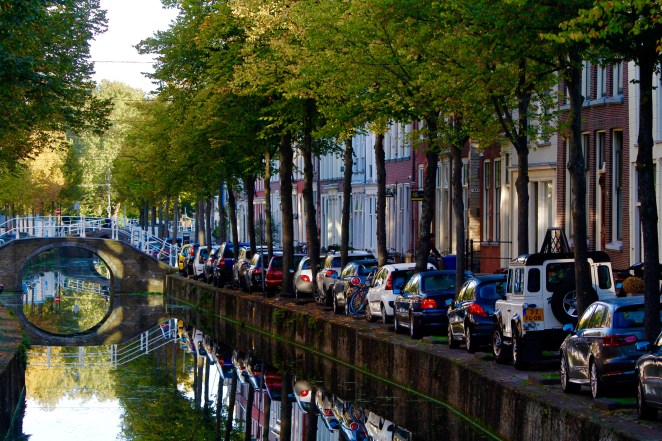
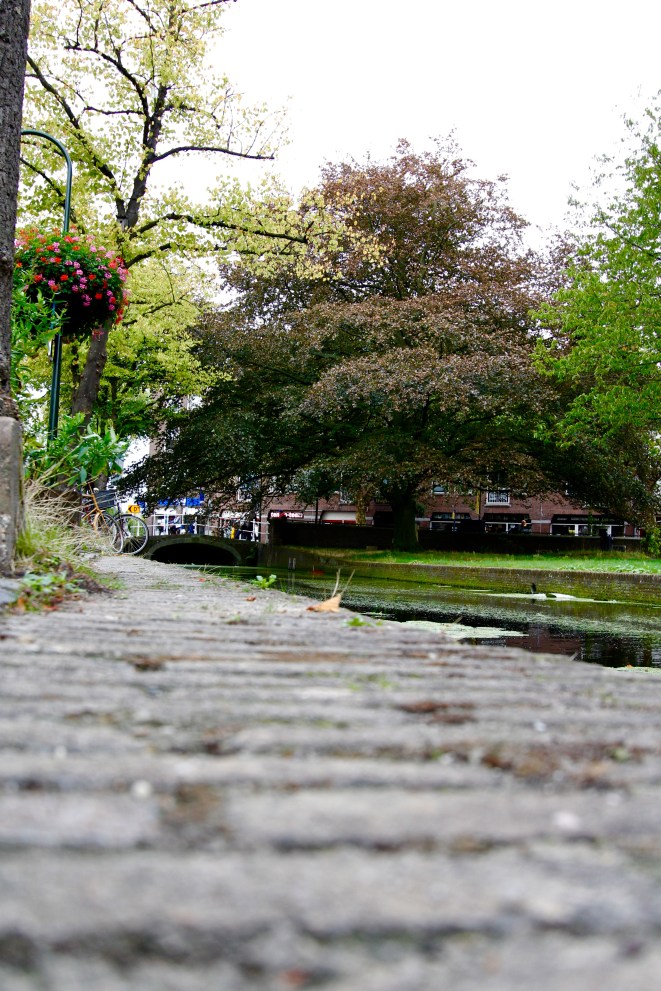
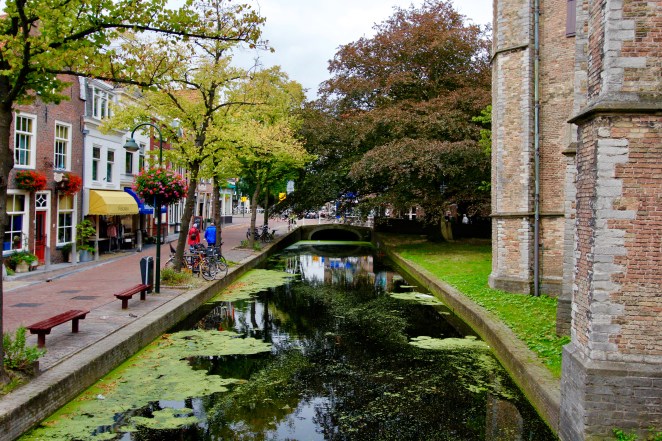
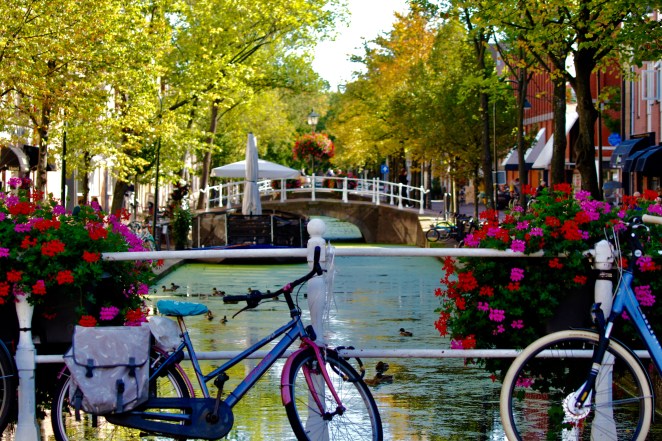
Delft is such an adorable town.  Around every corner is another canal, another flowered storefront, another cafe.

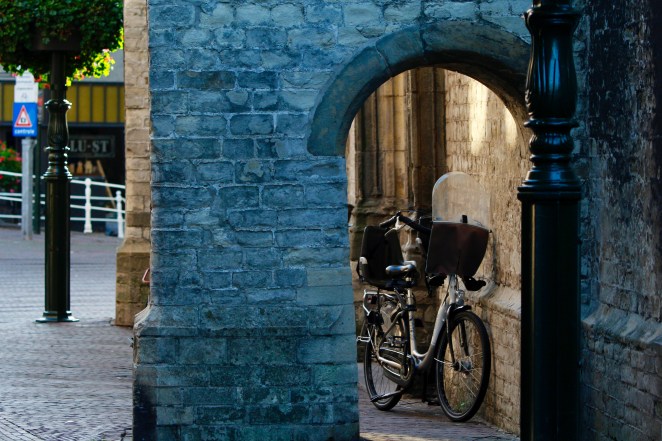
As 0900hrs neared, the city started to come alive with bicycle traffic picking up, and people whipping through the streets on their velocipeds, taking kids to school, heading to school, or heading to work.

2B452C56-5DDF-4BF3-9B3C-C60920AC096B7C72207A-0F96-4C7A-8FAC-3B37E1B7FC9FA16A2243-85DE-46CA-9E81-BF5664C400C4839A2D5C-BE83-4537-BE0A-DCE7622461BE92C3ED16-2C53-43CE-9CB3-79F675F47B6452658D14-DDB9-496F-BD09-69F5205D3B4D26A913F0-4B73-45B5-BFCD-1B1943D0D217.

3E093DFD-C0FF-4C72-B231-56D383E8E3480CB2C5BF-8E90-4D11-9C1D-704AE0D21FC7B514C925-4CED-40A6-82E0-36A8E834C85195AFB684-4BB7-4651-8722-3C26DF83E48A395341A7-EF7C-4A20-8416-99CC1EA7CA2BD9F4DA96-34F9-41B4-BD7D-9753998F607A1047AF12-ADF8-42FC-AEBB-F10293B12DA42D16E84B-6B21-4B6A-B541-897CAFEDE8CDF08AB9A6-0A85-499D-A7F0-D0BEE55D20A5154F10E9-0596-4CD1-9BCF-902BE658A0F724E61814-916C-4B67-B3D8-0984F283E89D

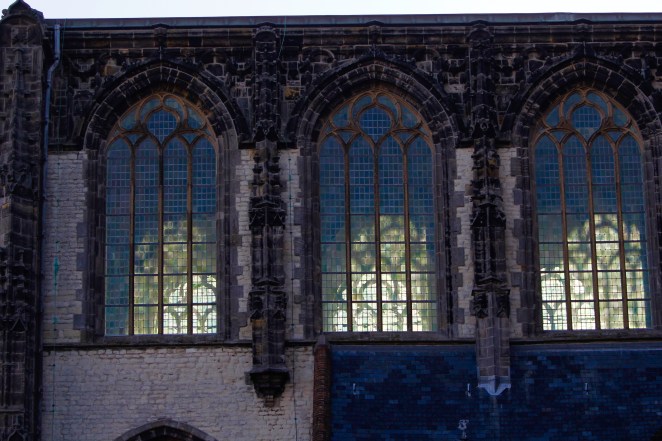
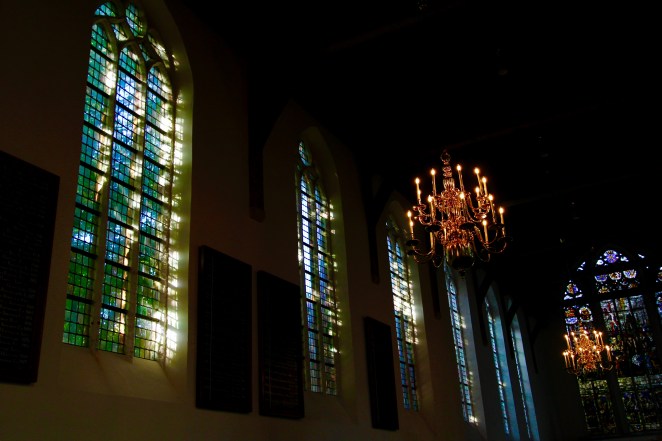
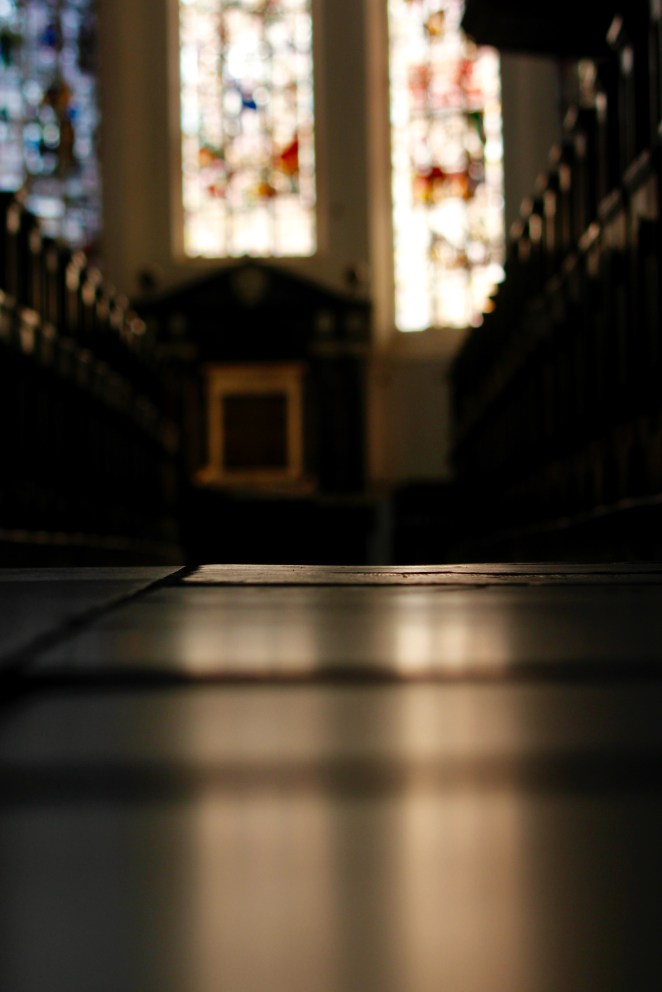
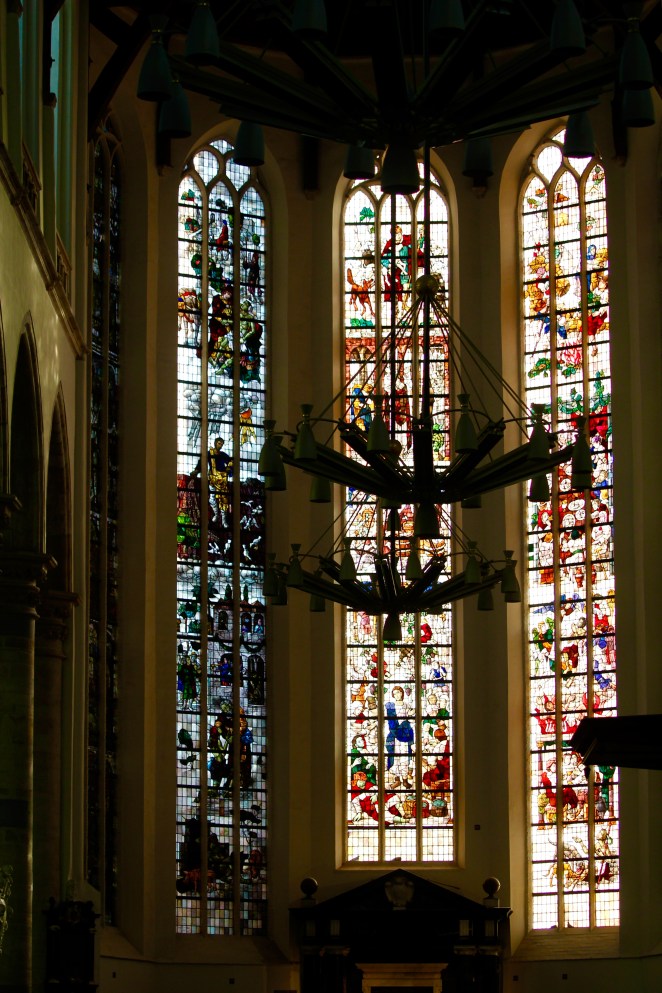
The first thing that we wanted to see this morning was the Oude Kerk, or Old Church.  The Oude Kerk is a large, brick, pre-Reformation structure with construction beginning in 1239 and lasting 400 years.  One of the biggest draws of the church is it is the final resting place of Delft’s native son, Johannes Vermeer (remember, of Girl with the Pearl Earring fame).  Apparently Vermeer died very poor and left his wife with a lot of debt, but she still wanted to bury him in the Oude Kerk, so they originally buried him vertically.  Later, when Delft decided that Vermeer was in fact, a big deal, they dug him up and gave him a proper burial.
28F493EE-90DB-4E29-9CBD-8C940C82D54CDAE0F200-CDBB-4264-988B-2B61F2EB84C2762280BE-3B6D-4578-99DD-407CC8423502D0479247-316F-461D-82D5-63B471C1FBAFF2FBC3CC-12D9-4FF9-BD68-1081CCADFB9DCE9AA02B-95CB-4638-AD77-6969EBC71383

I found the Oude Kerk to be less than impressive – sparse and underwhelming.

6EC4EEE3-7679-4103-8F13-BE76D374B7DB

The next thing we (mostly I) wanted to do was a canal boat tour.  I love boat tours because it’s a great way to see the city from a different perspective and you usually learn a bit from the tour guide.

The first boat tour left at 1100hrs and we had not spent a lot of time in the Oude Kerk, so we had more time to kill.  By this time we were gingerly dodging cyclists left and right.  The cyclist culture here is quite different from what I’m used to in the Lower Mainland (either super aggressive Vancouver cyclists, or scabby homeless people who you know damn well didn’t pay for that bike that they’re riding around that residential neighbourhood).

0035AD79-1B50-40A9-8747-A56803A79DDC

In order to pass more time, we went to the market square and grabbed a delicious coffee at a cute little shop called Bagels and Beans.  We sipped our drinks and watched vendors set up their stalls for the day in the square.
 

E107FEE9-2737-491E-94E4-0C675E7829AF

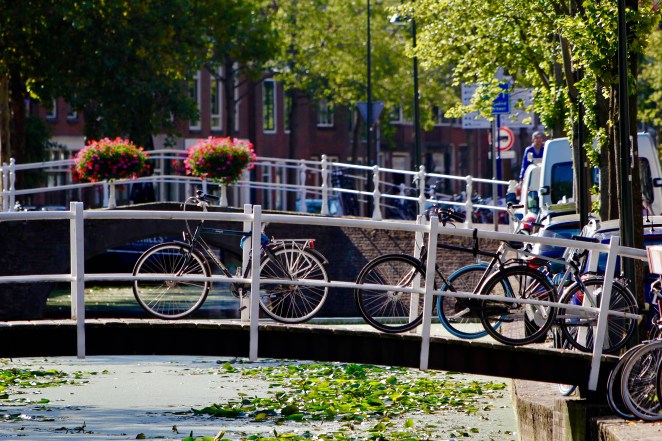
We finished up and settled up and slowly walked towards the boat moorage.  I just couldn’t get enough photos of canals, bikes on canals, tree-lined canals.

We got to the boat, paid our tickets and climbed aboard, a 45 minute jaunt through the canal system.  Our tour guide’s name was Ellen and she was graduating from the University of Delft in Engineering and Policy.  Delft is actually a university town as 1 out of 5 residents in the city are students.  We passed by beautiful buildings of brick facade, windows and shutters and learned that many of them were actually student housing.  It made me think fondly of some of my lodging when I attended the University of British Columbia – damp, partially-carpeted hovels barely legal suites boasting hot plates and 30 year old microwaves, deep in the heart of Point Grey.

Other fun facts we learned from Ellen:

• Many of the canals are lined with ropes.  Why?  Not to help people who have drunkenly fallen into the canals, but to assist cats that fall in.

• The residents of Delft used to be charged more taxes if you have more windows in your front facade.  Many wealthy people would install more windows to show off how rich they are.

• Students who graduate from Engineering often have their bicycles tossed into the canal by fellow students as a way of signifying that they will be making more money and can therefore afford a car.  The city fishes out 300-400 bikes every year and resells them to make money for the city.

After the tour was over and I had shot enough smouldering glares to the dumb old men who talked/laughed through the English part of the tour, we found we were a bit peckish.  Ma wanted to try and restaurant we had read about in Lonely Planet called Kek, which offers up fresh and healthy fare.  This place was everything that a hipster would love – lots of kitsch, lots of avocado on the menu, and lots of young people with questionable fashion.  I ended up having a BLTA and a delightful blood orange lemonade.
EB88E70D-D02A-44CE-BF2A-9AAFE52CE96A

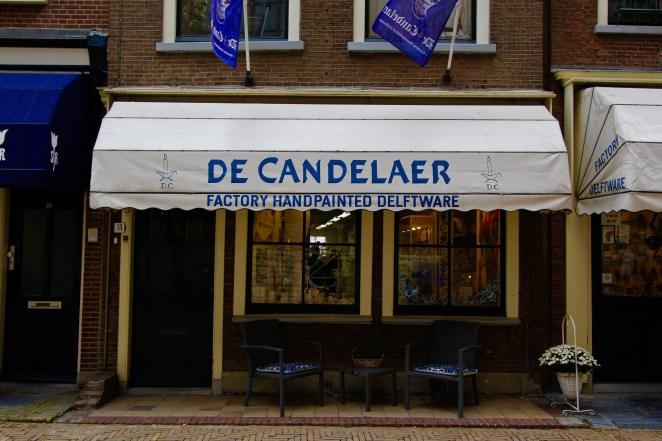
Our afternoon plan was to head to the Royal Delft Factory and do the tour, followed by copious coin dropping at the gift shop.  The only problem is that we were losing steam so by the time we got a cab there, saw two huge tour busses in front, we decided to forego the tour and instead go straight to the gift shop.  The shop was an enormous 2-room operation, filled wall to wall and ceiling to floor with white and blue porcelain.  Ma and I both picked out a few items, paid, and the PAID for them to be shipped back home to Canada, as we didn’t want to haul around delicate porcelain items for the rest of our trip.

B5420522-841A-4A24-BE9A-9C501CED9ED6

We discovered that the factory had an adorable little cafe that served Delft Blue’s own beer called Delft Brew, so of course we had to try some (it was pretty good!).

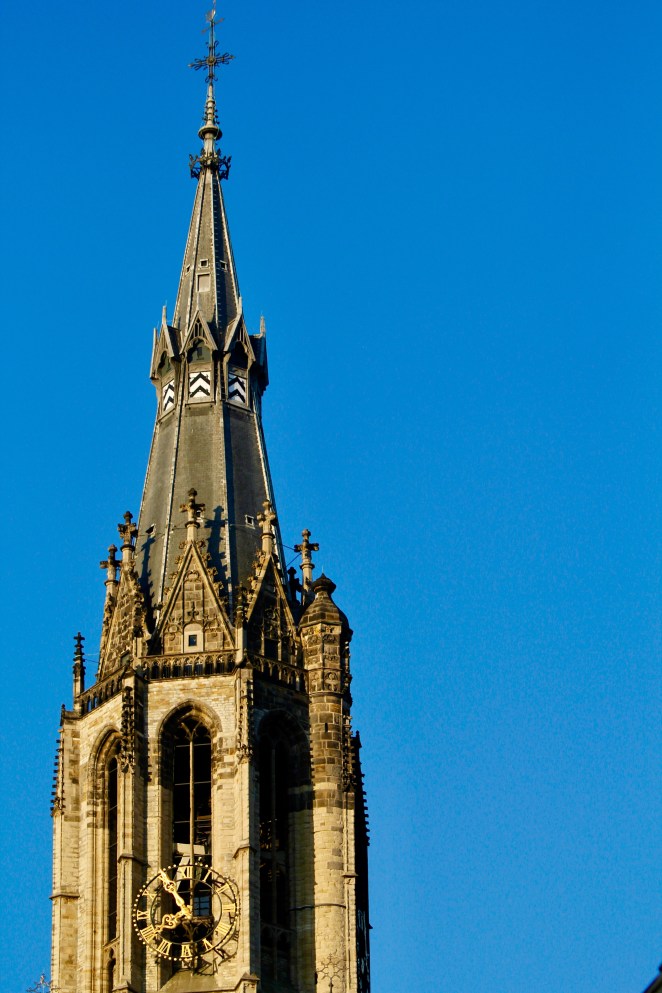
We headed back to our hotel for a siesta as we were all pretty low on energy.  An hour later we headed literally across the canal from our hotel to the Nieuwe Kerk (New Church) to check it out as well.  This church was built in 1351, so not so much ‘new church’ as it is ‘newer than the Old Church’.

5F627355-54B9-44D0-B028-0B34606CBB20

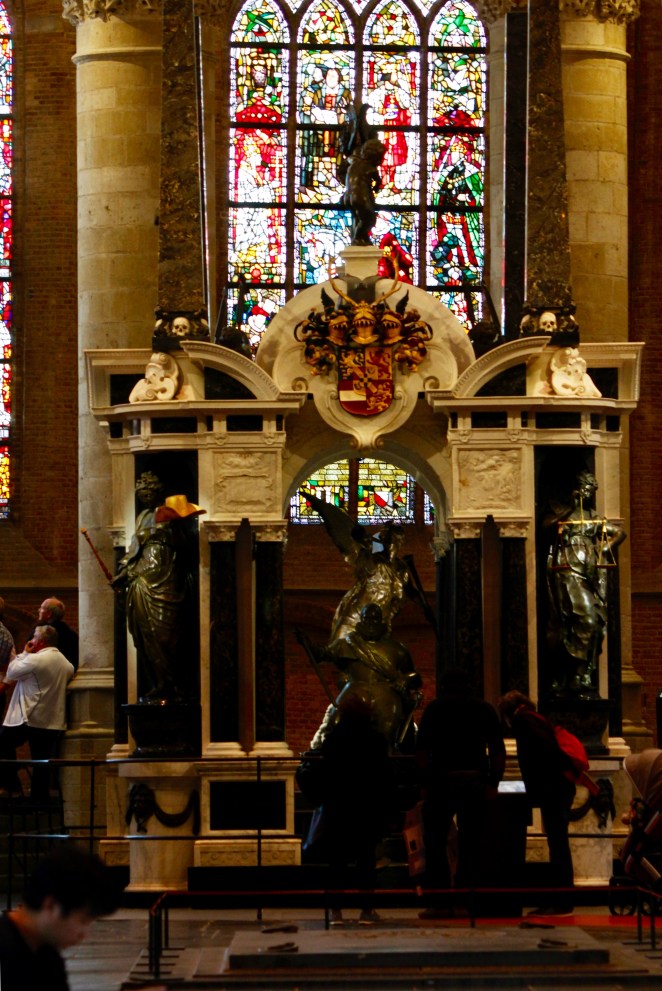
The church again was underwhelming, but its claim to fame is that it is the final resting place of William of Orange, who is seen as the father of the nation.  The tomb is quite garish and ugly, but the people decide they couldn’t have a plain burial for the Founder of the Netherlands, unlike all the chumps buried in the floor.
B04C5E38-AA0D-4C60-8C15-054B10E65738

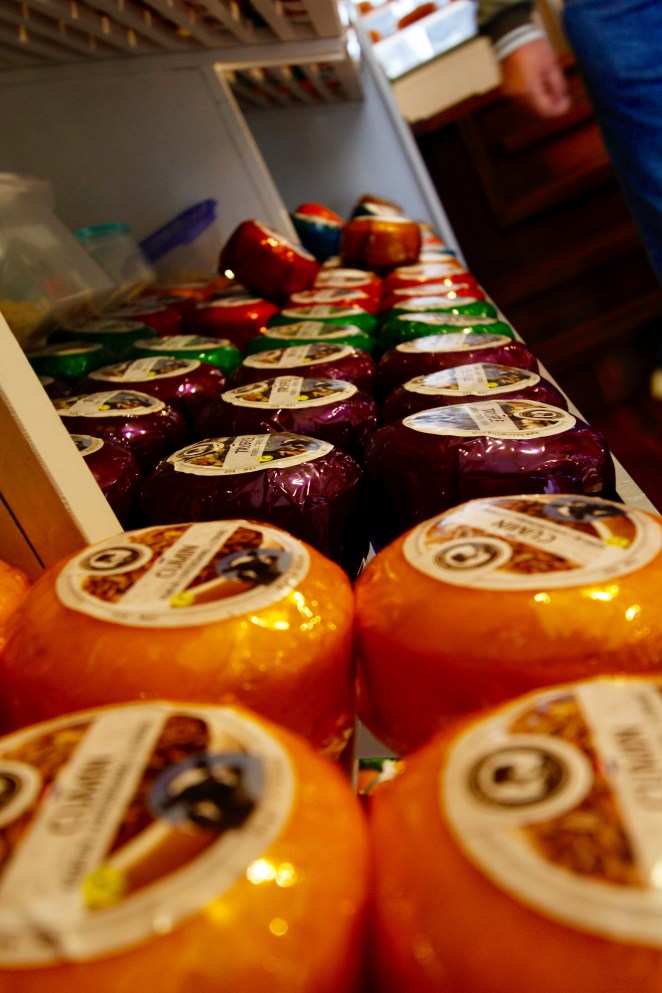
After we spent maybe 15 minutes in the church, we hit the square again to revisit the cheese shop we popped into yesterday.  The shop keep was so eager and flirtatious that I couldn’t even say no to all the goat cheese samples he was offering me, and I HATE goat cheese.  After learning that you can bring the cheese back to Canada and it can be unrefridgerated for a month, we bought a couple of wheels of Gouda and went and found a brasserie that has Grolsh on tap, where we ate, drank, and headed home to bed, in a valiant attempt to stay up past 2100hrs.

Day 1: Leaving on a Jet Plane

Welcome to the DeCaigny Abroad trip blog for 2018: Windmills, Wallonia, World Wars and Waffles!  This year is a very special trip for me because I get to visit the land where the DeCaigny’s come from – Normandy and Flanders – and we get to meet some relatives.

Our trip started off pretty easily – got the YVR with plenty of time, breezed through check in and security, had some late lunch and a coffee, then found our gate with a myriad of other silver haired folks (I joked with Ma and Pa that they must feel like they’re flying with their people).  At one point and woman approached me and asked ‘Are you Kelly?’  As it turns out, one of my girlfriends at work has a friend who was taking the flight, and told her to ‘look for the girl with the blue hair’.  We chatted with Anya for a bit and then it was time to board.  The flight was pretty uneventful and after 8 1/2 hours and 2 subpar meals for what we’re used to from KLM, we landed at Amsterdam Schiphol Airport at noon.  We did the usual airport stuff – disembarked, went through customs (‘you’re here for a month?  You’re going to be here for your birthday!’) grabbed our luggage and bought our train tickets for our first home base – Delft.  When we started planning this trip, we quickly discovered that staying in Amsterdam would cost a small fortune, so we chose to stay in Delft – known as “Little Amsterdam” – it has all the charm and canals of the big city, just smaller, less busy and much less expensive.

The trains in the Netherlands are plentiful and efficient – like those in Germany.  Our jaunt to Delft took about 45 minutes and we even spied a beautiful old windmill!  We grabbed a taxi and told him the name of our hotel – De Emauspoort.  The first thing he said was ‘Perfect location!’  We drove past old brick houses and snaking canals and took a turn down an absolutely adorable street:

9CD330C3-4EDC-46EB-92DD-AF57C7CBBBC0

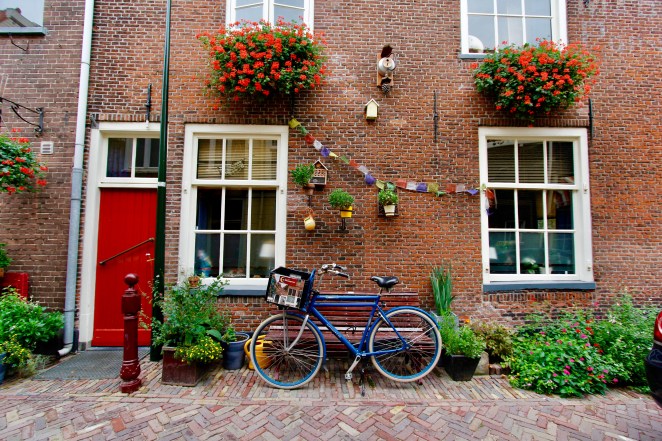
This is the street our hotel is on and it was everything I was hoping and dreaming it would be = quaint, with bikes and flowers everywhere you looked.

34B5219B-A348-4AA0-BC28-D38A2D7A9EC5

We checked in and found that we were staying in the ‘Vermeer Suite’.  One of the things that Delft is famous for is the birthplace (and famous resting place) of painter Johannes Vermeer, whose greatest hit is probably The Girl with the Pearl Earring.  The room is decorated in the old Dutch style, up a flight of very challenging stairs, and adorned with prints by the Dutch master himself.  We dropped our gear and hit the town in a attempt to stay vertical for as long as possible.

CC9D2DB7-B0B7-416E-ACAB-A852E848D3CF4983A9D5-DDD2-4871-BBA3-613239BAF716C8370A7C-BFA2-4340-A75B-FB5649371EE6

The other thing that Delft is famous for is ‘Delft Blue’ or ‘Royal Delft’ – a style of pottery characterized by blue ink on white porcelain.  There were shops all around the main square (or Markt) filled to the brim with dishes, tiles and other trinkets depicting very Dutch scenes (windmills, row houses, clogs).

1094CFC7-0DFA-45E5-A923-EAA7267EF550529C9C8D-B1CE-4FF4-8B3F-EAB3905A0B057FDD38CE-ED4A-4C41-8821-CD0EA8D26548754EA736-CFC4-4350-AC97-085E2F47044A823A5DD7-8DE3-41B6-9AE5-DB33406D5E392CA76F25-8276-4227-B0E0-05D02F405B9E

We picked a little restaurant and Pa and decided to indulge in our first brews (of what will be many, many brews) on the square.

A note about Dutch people so far – I was nervous because I had read a BBC article about how the Dutch are known for being very direct, and I’m very sensitive, but so far the Dutch people we’ve met have been very friendly, eager to chat and interested in Canada.

8288004F-EE10-4218-9B04-6D5A8E19DEAA5FB4E2D8-644E-4983-8B6E-622D923C1651

We finished our drinks and took a brief walk around the square.  Pa and I decided we wanted to check out a cheese shop, because we both really enjoy Gouda.  As it turns out, this cheese shop was the place to be, the Baskin Robbins of cheese as they had 31 different flavours of Gouda, all available to sample.

F40E1858-4F36-47B4-B2F1-52FDD2695C044BBF425E-83C2-4EFB-ADB9-03BAE3997E75

After sampling some delicious Gouda (we’ll be back there) I bought some postcards from a Delft Blue shop and we tucked in for some dinner, which I could barely stay awake through.  After a 2 minute walk back to our hotel, I uploaded some photos to instagram between nodding off and hitting my head on the table.  I gave up on the idea of a blog post for that night, and apparently climbed into bed (which I don’t remember doing).

C673D831-08F3-4728-B1F3-E572BBD209FB

Day 22: The Final Countdown

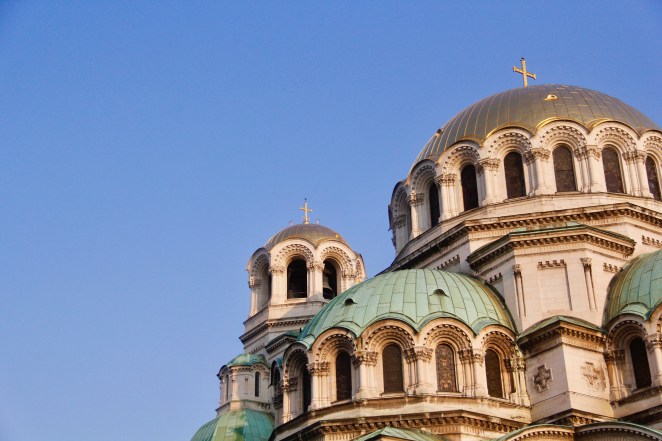
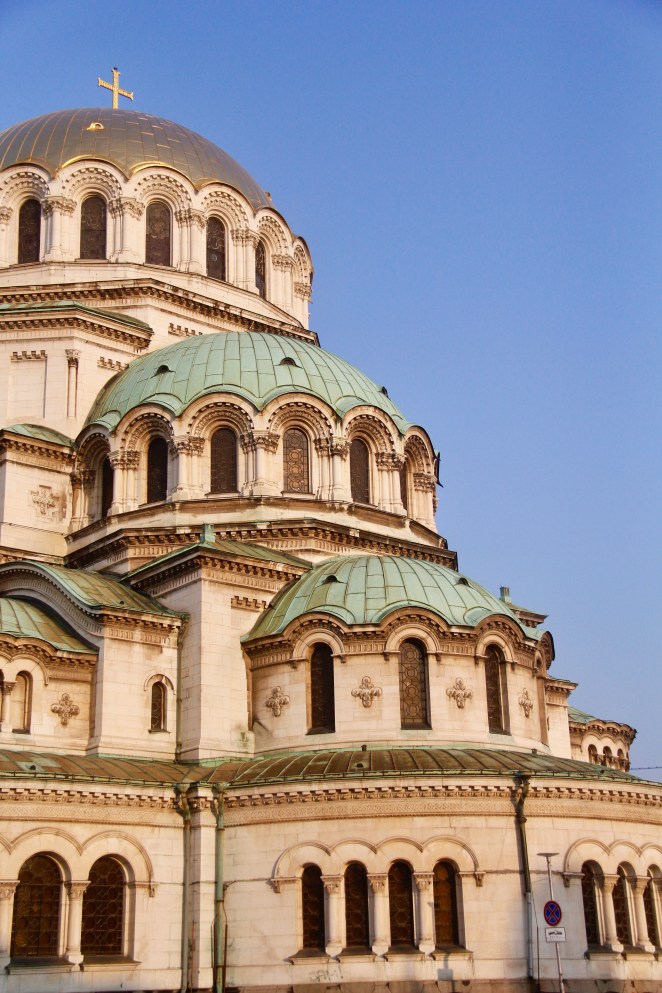
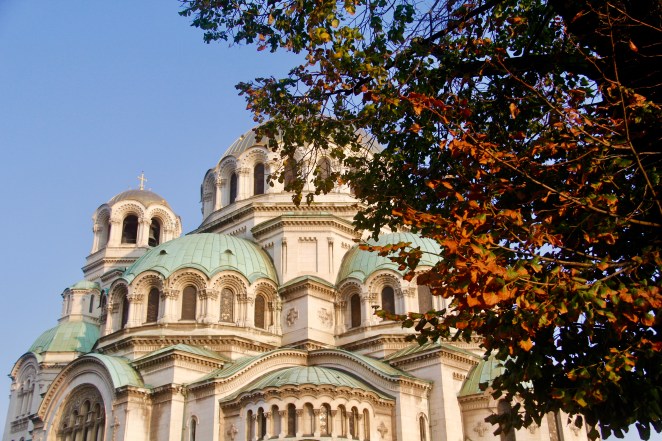
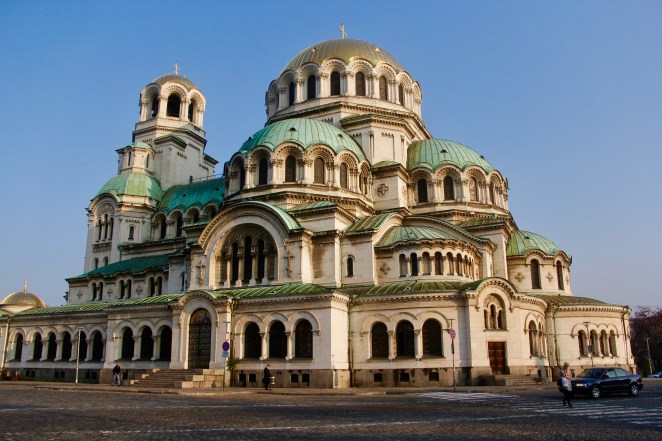
Well folks, this is it – the last day our the DeCaigny Abroad Trip 2017.  Today we only had a few last things to wrap up in Sofia, including the inside of Alexander Nevsky Cathedral, and Pa wanted to get a Harley-Davidson Sofia t-shirt.  We slept in, did a bit of housekeeping for our travel tomorrow, had a leisurely breakfast and headed out towards the Cathedral.

fullsizeoutput_1a7bfullsizeoutput_1a83

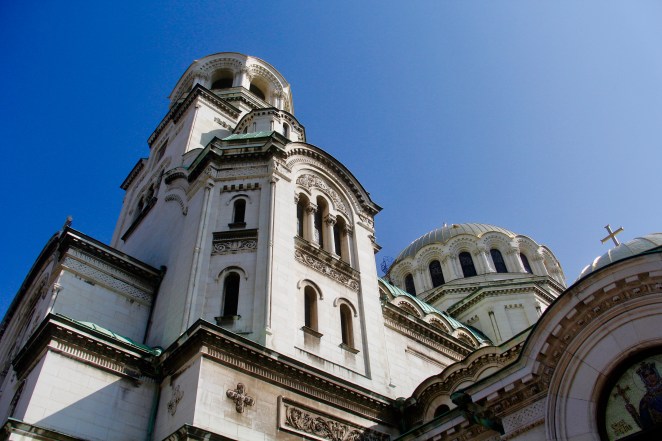
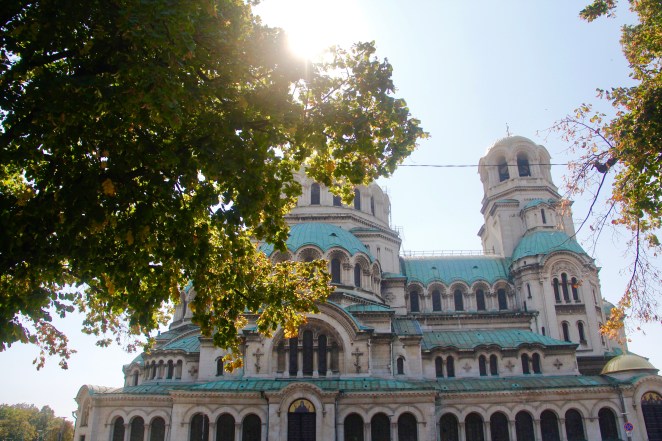
Alexander Nevsky Cathedral is an Orthodox Cathedral, one of the largest in the world, built in the Neo-Byzantine style.  It’s also known as the main tourist attraction in Sofia.  Alexander Nevsky was not Bulgarian, but a Russian Prince of Novgorod who in the 13th century led a Russian army to defeat the Teutonic army (you can see the dramatization of this in Sergei Eisenstein’s masterpiece “Alexander Nevsky”, with the score written by Sergei Prokofiev).  It was named after a Russian prince as opposed to a Bulgarian one, because it was built in memory of the Russian soldiers who died during the Russo-Turkish War (liberating Bulgaria from the Ottomans).  Anyhow, the name of the Cathedral was changed between 1912 – 1916 to St Cyril and Methodius as Russia and Bulgaria were on opposite sides in WWI.

fullsizeoutput_1a8afullsizeoutput_1a90fullsizeoutput_1a9afullsizeoutput_1a9b

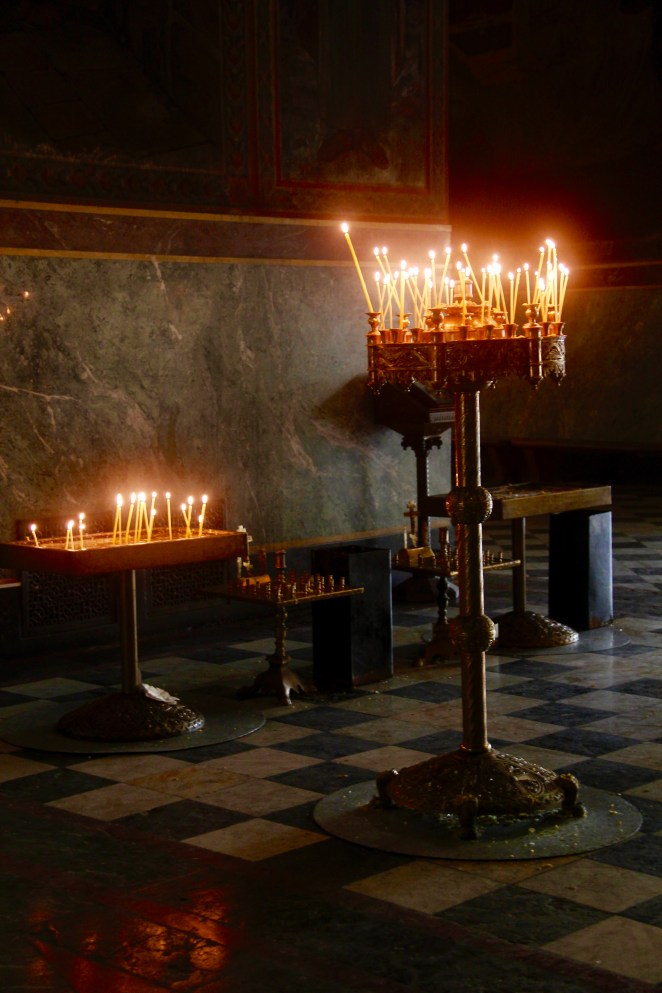
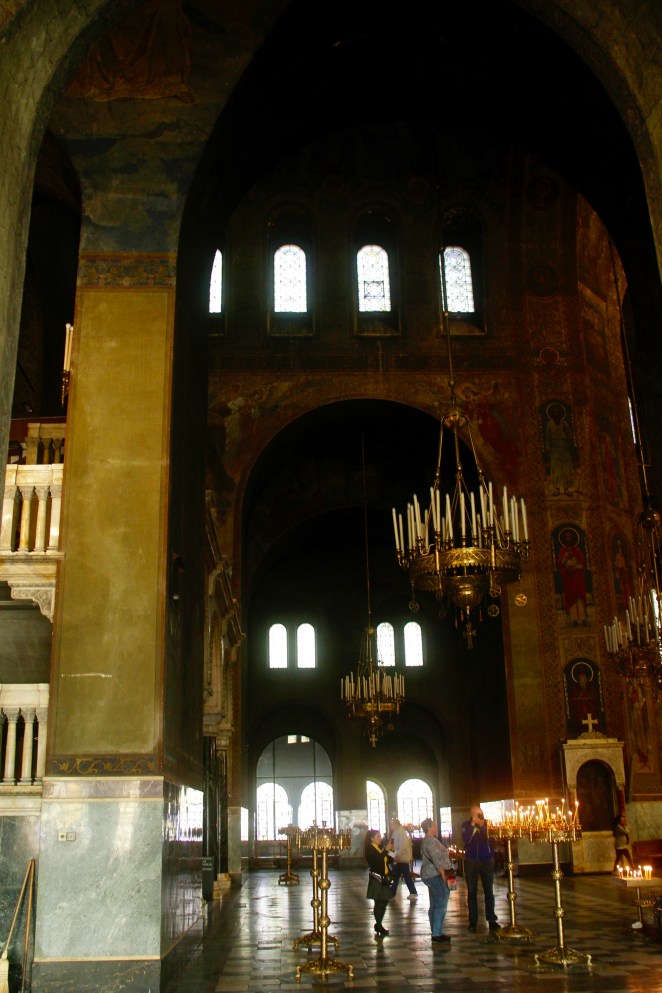
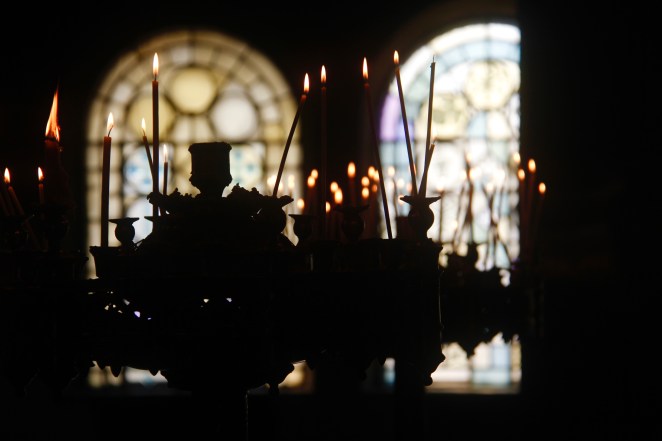
There is no entry fee to the Cathedral, but you do have to pay 10 LEV ($7.50 CAD) to take photos.  I paid and the lady at the desk gave me a piece of paper with some Cyrillic written on it, and a little man in black robes approached me as I entered, gave my paper a little tear, and said “safe photo”.  There is little to no talking in the Cathedral, so the silence was deafening.  I definitely could have done with some orthodox chant.  We quietly walked about, watching the faithful light candles, pray to the saints, and line up and pray to the alter.

fullsizeoutput_1a9cfullsizeoutput_1a9dfullsizeoutput_1a9efullsizeoutput_1a9f

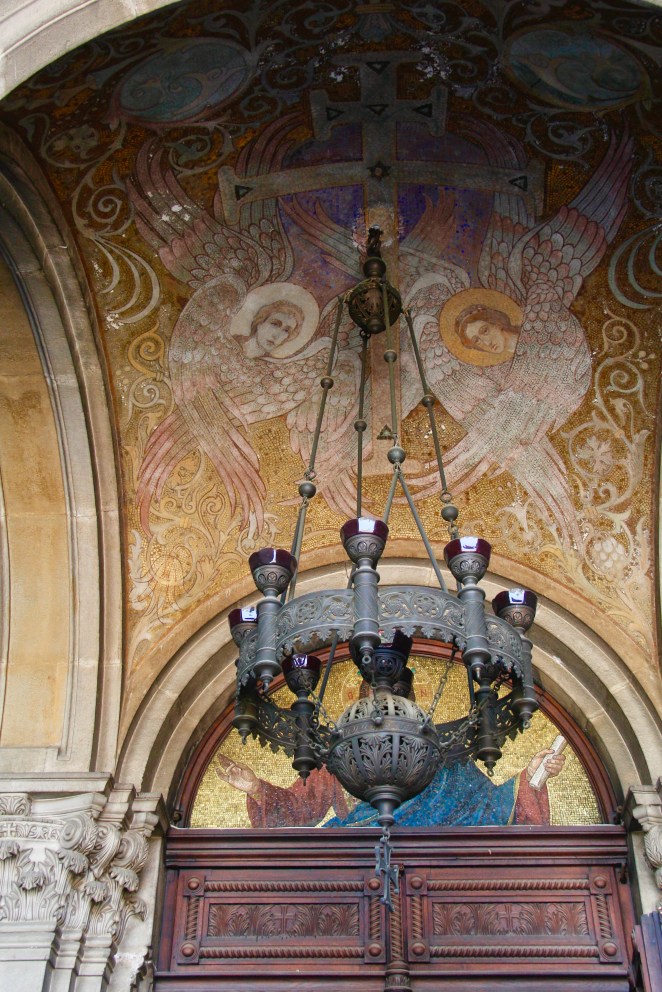
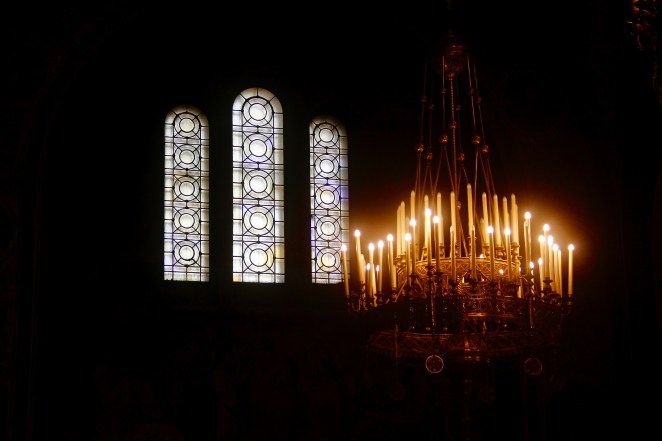
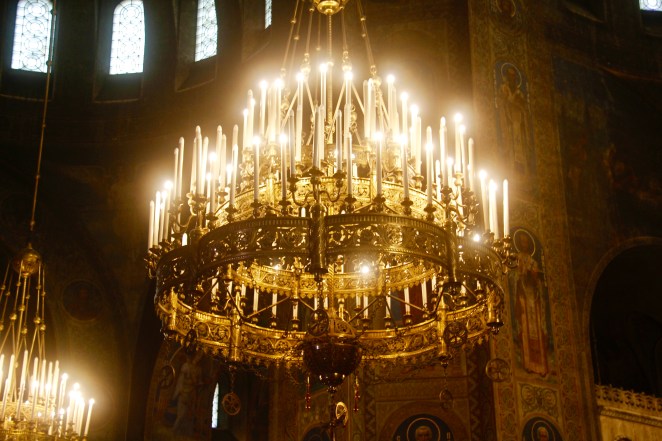
Like many of the Orthodox churches and cathedrals we’ve been to, there is a giant chandelier right above the alter and in front of the iconostasis.  Alexander Nevsky is a really beautiful building, but I would say I have definitely seen more breathtaking Orthodox churches.

fullsizeoutput_1aa1fullsizeoutput_1aa2fullsizeoutput_1aa4fullsizeoutput_1aa5fullsizeoutput_1aa6fullsizeoutput_1aa9fullsizeoutput_1aabfullsizeoutput_1aaefullsizeoutput_1ab2

After we felt like we had spent a sufficient amount of time in the Cathedral, we stepped out into the sun and headed to a nearby restaurant called Cattedral for some lunch – pizza, risotto and Irish breakfast for Pa.  We finished up and ordered a taxi for Pa using this app called Taxi Me.  It’s essentially like Uber, but finds you good and reliable drivers who won’t gouge you.  The driver pulls up and Pa hops in, on his way to Harley Davidson Sofia, so Ma and I walked around the nearby university grounds and sat on a sunny bench and talked about next year’s trip.

fullsizeoutput_1ab5fullsizeoutput_1ab4fullsizeoutput_1ab6

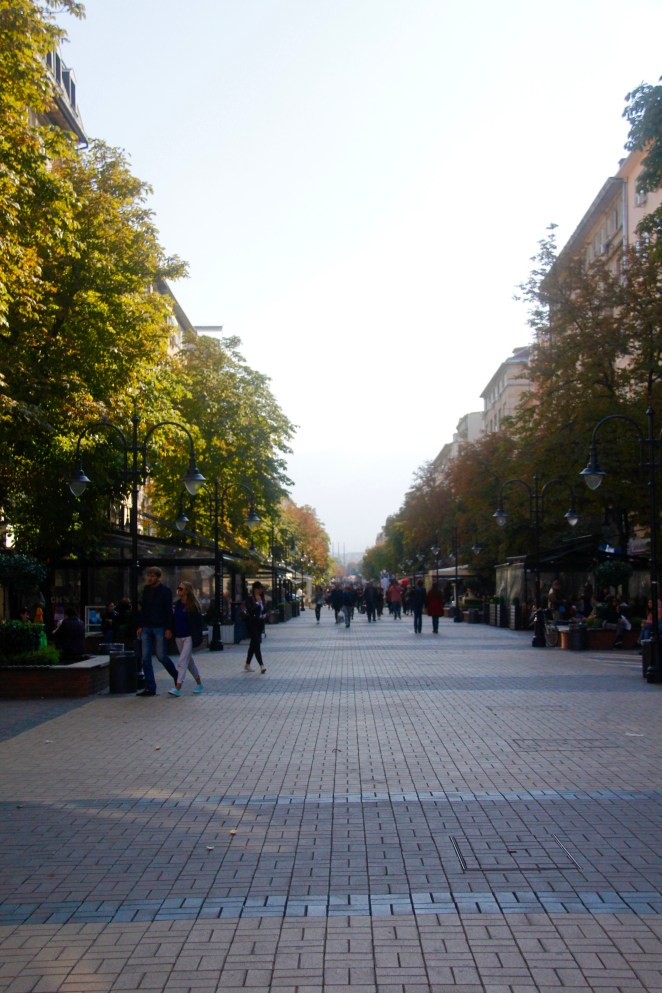
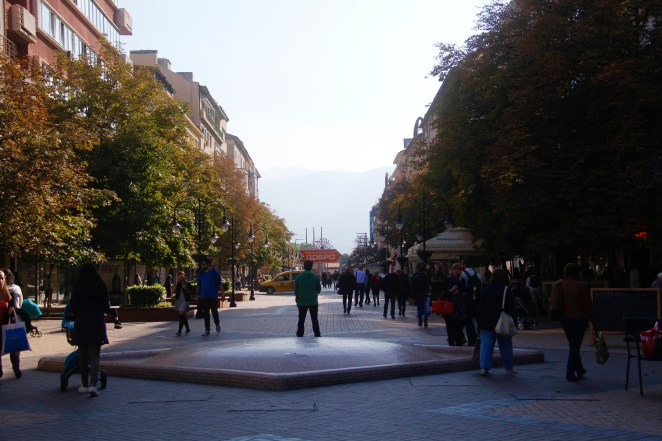
After about 25 minutes or so, Pa returned, purchase in hand.  We had discovered by accident that Sofia actually has a pretty popular pedestrian only boulevard just steps from our shitty apartment called Vitosha Boulevard, lined with shops, bars and cafes.  We decided to do a bit of a cafe crawl, so we started at a place where we got sparkling water and ice cream.

fullsizeoutput_1ab7

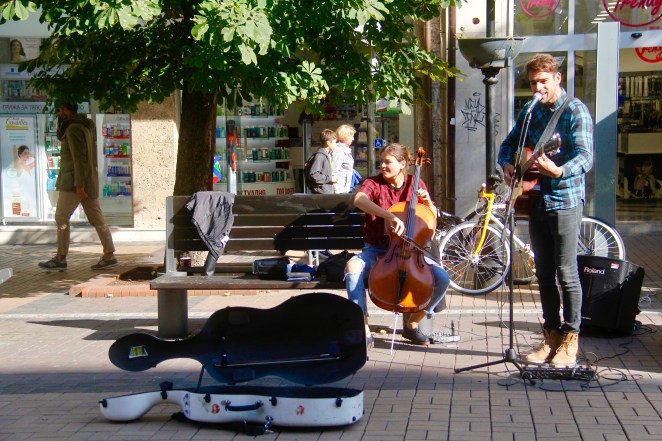
Moving on, we came across a few street musicians, a cellist and a guitarist/vocalist who were playing some original works as well as some covers.  We grabbed a bench and watched for a while.

fullsizeoutput_1abafullsizeoutput_1abcfullsizeoutput_1abdfullsizeoutput_1ac1

After watching the musicians, we wandered some more and eventually got to the end of the street.  By that time, we decided to find a place for dinner, and had read about a restaurant on the strip called Boom Burger, so we decided to try it.  We had some beers, burgers and onion rings and it reminded us of Cannibal Cafe in Vancouver.  We settled up and headed back down the boulevard, looking for a good place for Ma to get some dessert and Pa and I to get some rakia.  Rakia is a liqueur in the region, usually made from grape or plum, and is a lot like brandy (or the Palinka we had in Romania), and Pa and I figured we had to have some before we left.  We found a busy patio and Ma ordered a slice of cheesecake, and Pa and I each ordered a shot of their finest rakia – only burns a little bit going down!  We paid our delightful waiter and waddled back to our apartment, ready to pack for our flight tomorrow and ready to come home.  Until next year, Europe.

fullsizeoutput_1ac4fullsizeoutput_1ac5

Day 21: Head For the Hills

This morning we were up bright and early for our final tour on this trip – Boyana Church and Rila Monastery.  We were to meet our Viator tour group at Alexander Nevsky Cathedral at 0900hrs, but they ask that you show up at least 10 minutes early, so naturally we were there by 0820hrs.  We were fine with that though, because we had awesome light to capture the outside of Alexander Nevsky Cathedral (which we will be checking out tomorrow).

fullsizeoutput_1a43fullsizeoutput_1a44fullsizeoutput_1a45fullsizeoutput_1a47fullsizeoutput_1a4a

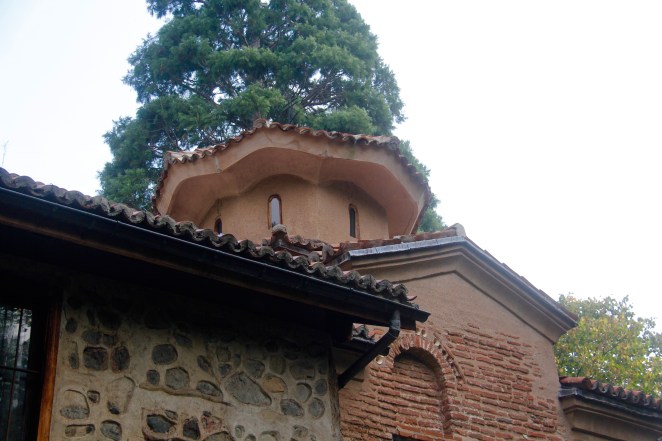
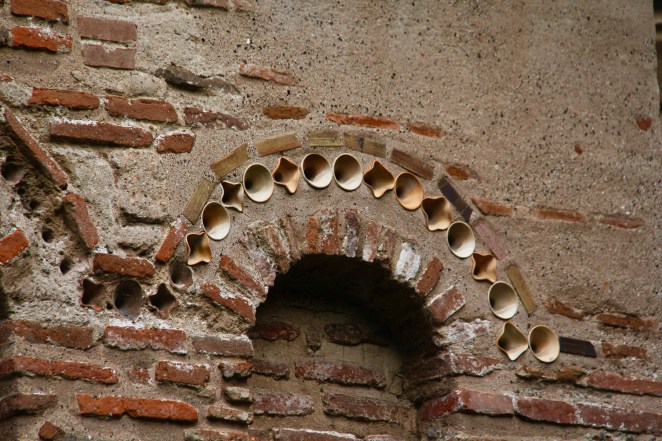
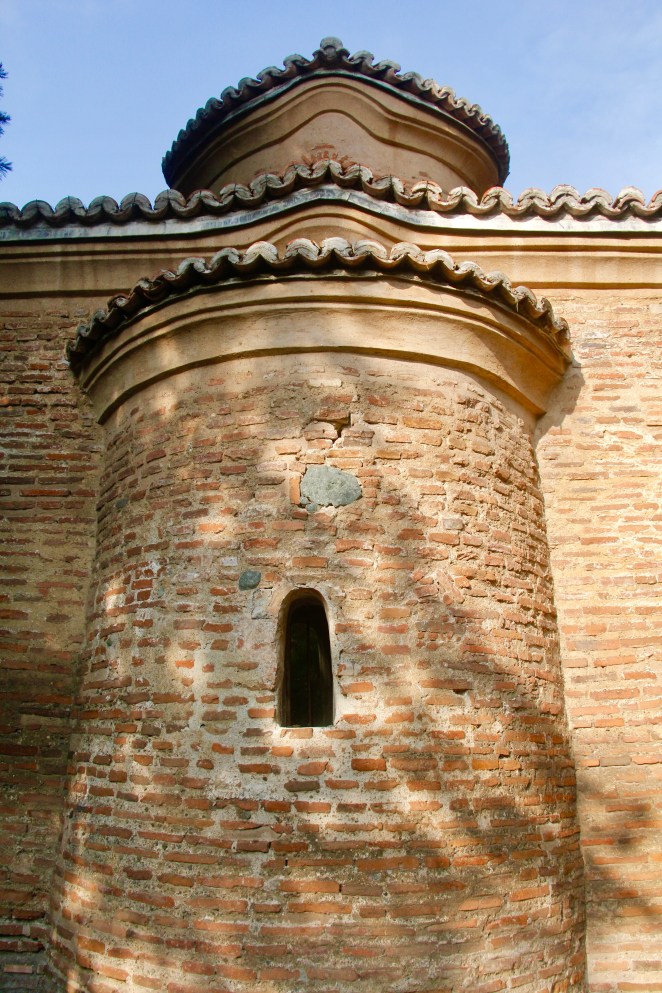
Once everyone had arrived (not everyone on time, ahem), we all hopped on the mini bus and were on our way to an affluent community just 20 minutes outside of Sofia called Boyana.  In Boyana there is an old and very small church, built in the 11th and 13th centuries and featuring some very early painted icons in the orthodox tradition.

We pulled into the parking lot and enjoyed the beautiful yard, peaceful and quiet but for the chirping birds.  The leaves are starting to turn colour and the air was crisp, definitely autumn.

fullsizeoutput_1a4dfullsizeoutput_1a4efullsizeoutput_1a4ffullsizeoutput_1a50fullsizeoutput_1a51fullsizeoutput_1a52

As previously mentioned, the church is a very small UNESCO world heritage site, and there could be only 10 of us in the church at a time, so we took turns.  No photos were allowed, but inside are icons describing the saints, the king and queen, and the nobles who donated the money to build the church and earn their fast-track ticket straight to heaven.

fullsizeoutput_1a53fullsizeoutput_1a54

Once all 3 groups of 10 had made our way through and gotten the mini tour, we all piled back on the bus and we hit the road for the 2 hour drive south of Sofia, into the Rila Mountains for Rila Monastery.  Our tour guide Marina told us stories of Bulgaria, the different ethnic groups, the story of how God created Bulgaria:

“When God was dividing up the lands for the different nations, Bulgaria was last because we’re always late.  We it finally came to us, all the lands had been assigned and there was nothing for the Bulgarians.  We said ‘who are we supposed to live with?  The Greeks?  The Serbians?’  God felt bad so he told Bulgarians ‘don’t tell the other nations, but I will give you part of paradise – mountains and sea.'”

The drive up to and through the mountains was really lovely – like a more mountainous Okanagan.  Lots of wineries, lots of vineyards, lots of houses with with beautiful grape vine trellis shading their yards, which were full of ripe tomatoes and cucumbers.

We pulled into the lot and entered what looks from the outside like a walled compound:

fullsizeoutput_1a55

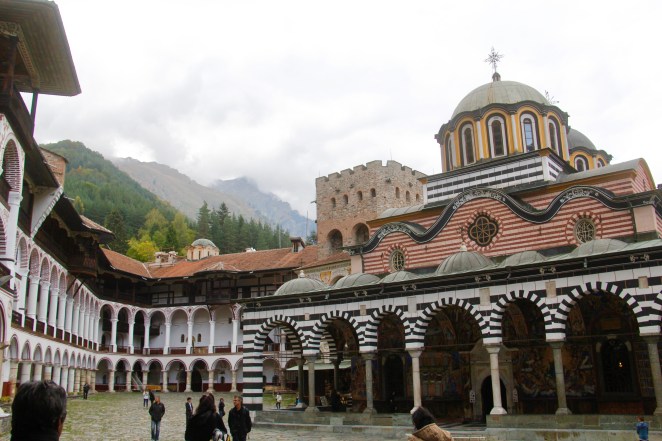
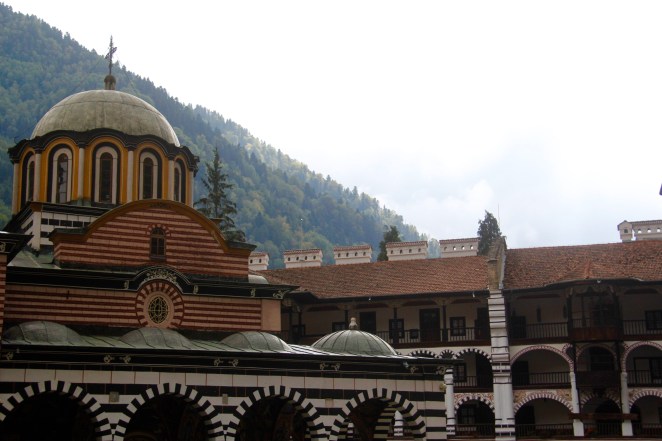
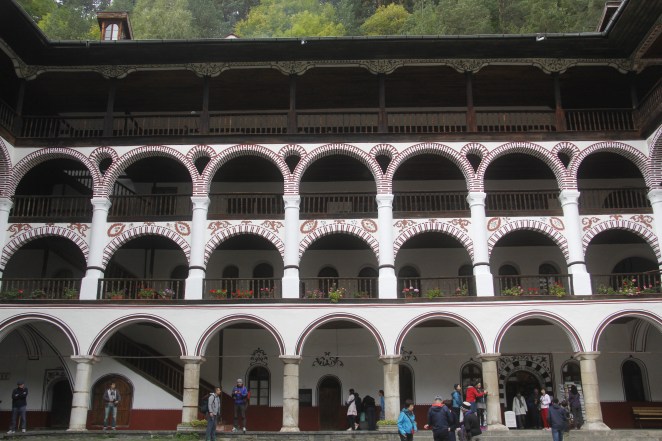
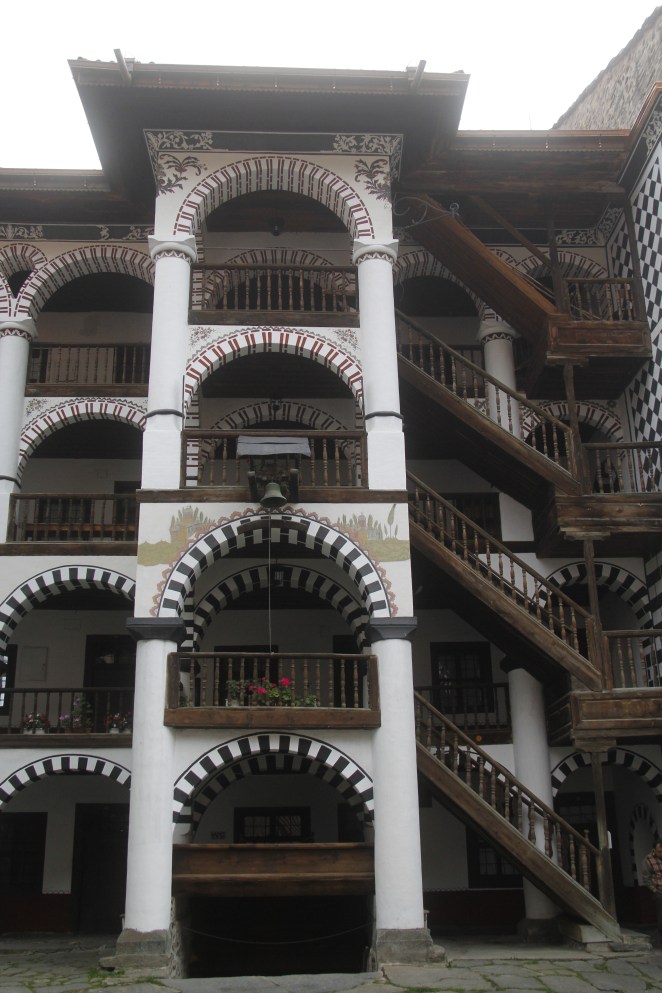
We entered to find the gobsmacking striped and arched brilliance that is Rila Monastery.

fullsizeoutput_1a58fullsizeoutput_1a5afullsizeoutput_1a5cfullsizeoutput_1a5ffullsizeoutput_1a60

Rila Monastery is the largest monastery in the country and is named after Ivan of Rila, a reclusive hermit of a man who loved to live in nature (apparently once lived in the trunk of a tree) and whose relics allegedly have healing properties.  The monastery itself was founded in the 10th century, but due to years of religious turmoil in the country (Ottoman Turks would knock down any church they could), the buildings we see today are from the mid 19th century.

fullsizeoutput_1a61fullsizeoutput_1a62

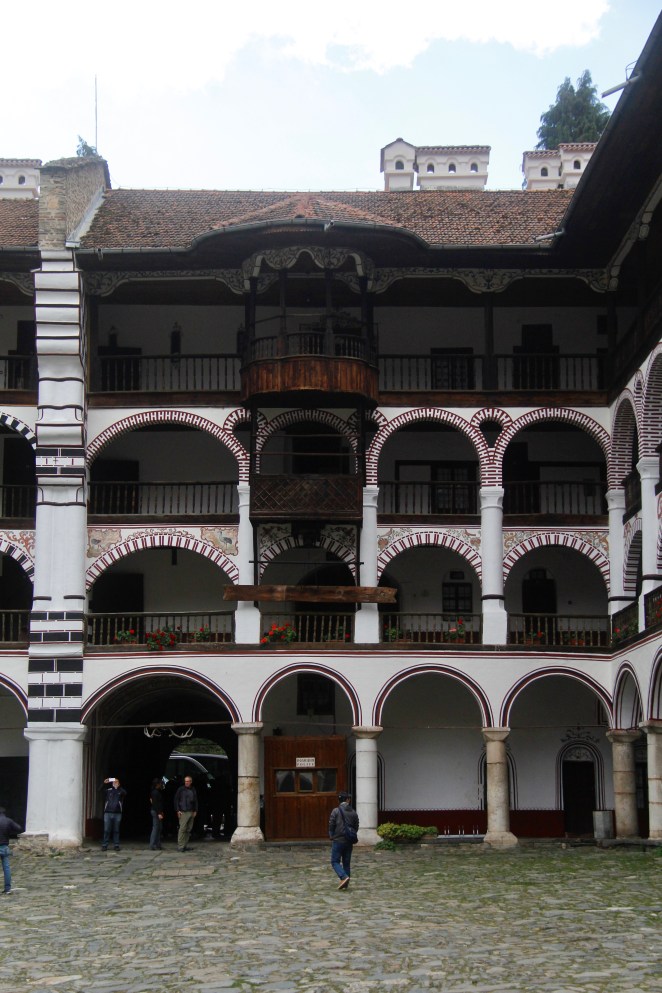
We as tourists and pilgrims are only allowed on the ground floor of the structure as it is still a working monastery, able to house up to 400 monks.

fullsizeoutput_1a63

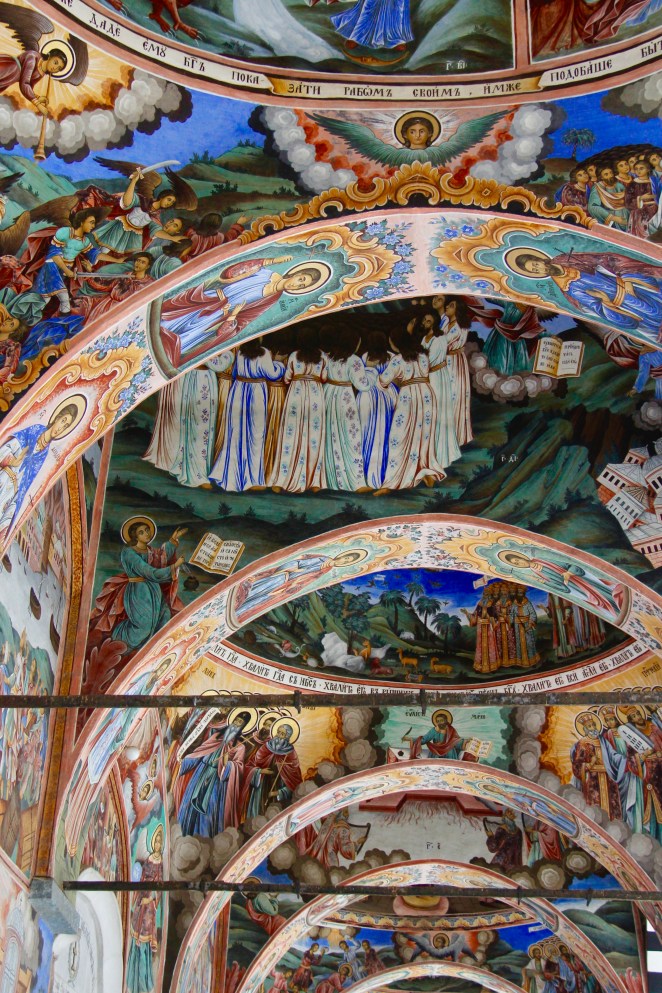
We then moved on to the Cathedral, again Orthodox (the main religion in Bulgaria) and again, no photos in the sanctuary, but the outer domes housed some icons, showing the Garden of Good and Evil, Judgement Day, and why we should always confess (spoiler: you go to hell if you don’t).

fullsizeoutput_1a64fullsizeoutput_1a66fullsizeoutput_1a67

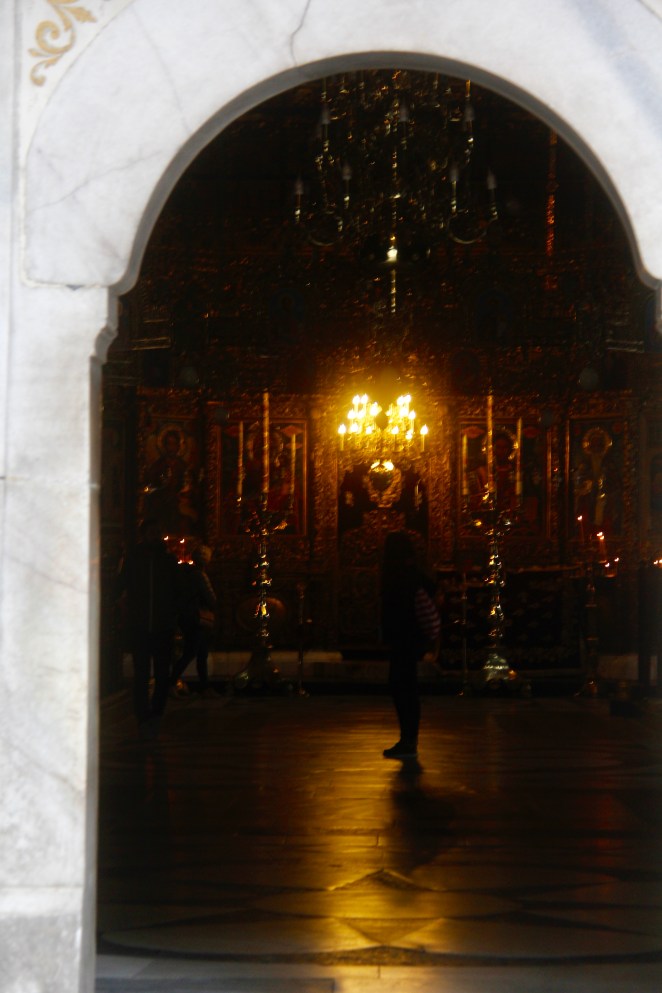
The iconostasis is quite the thing to behold – it took 5 years to carve out the incredible detail and is covered in 17 kilos of gold.  The sanctuary also houses the bones (relics) of Ivan of Rila, kept in a box under a cloth in front of the iconostasis.  Our tour guide told us that there are often many people who make the pilgrimage to Rila for Ivan’s healing powers, and we even witnessed several orthodox monks line up, crouch down and kiss the box.

fullsizeoutput_1a69

After the tour we had almost 2 hours to ourselves, so we grabbed lunch at a restaurant just outside the monastery walls, recommended by our tour guide, so we stuffed our hungry faces with chicken kebab, shopska salad, homemade bread and beer.

fullsizeoutput_1a6a

We finished up and headed back in to the monastery to get more photos and just enjoy how beautiful the buildings are and how peaceful the setting is.  Pa decided to climb the tower, so Ma and I bought a book on the monastery and a few fridge magnets (as always).

fullsizeoutput_1a6bfullsizeoutput_1a6cfullsizeoutput_1a6e_MG_5796fullsizeoutput_1a70_MG_5804

By the time Pa got back down from the tower, it was time to meet up with the rest of our group and get back on the bus.  We grabbed a few last glances and boarded, dozing on the 2 hour drive back to Sofia.  We were dropped back off at Alexander Nevsky Cathedral, so we grabbed a cab to our little neighbourhood, had some treats and lemonade at a cafe and turned in for the night, ready for our last day of vacation tomorrow before our sojourn back home on Wednesday.

fullsizeoutput_1a72fullsizeoutput_1a75

Day 19: It’s A Trap!

Today is our last day in Plovdiv before we head to our last city on this trip, Sofia.  There were only 2 sights left that we wanted to see in Plovdiv – Tsar Simeon Garden and the Kapana.  We (Pa) woke up bright and early and we headed down to another outstanding hotel breakfast, then headed out to the post office, sent some more postcards, and headed into the Garden.

fullsizeoutput_1a20fullsizeoutput_1a22

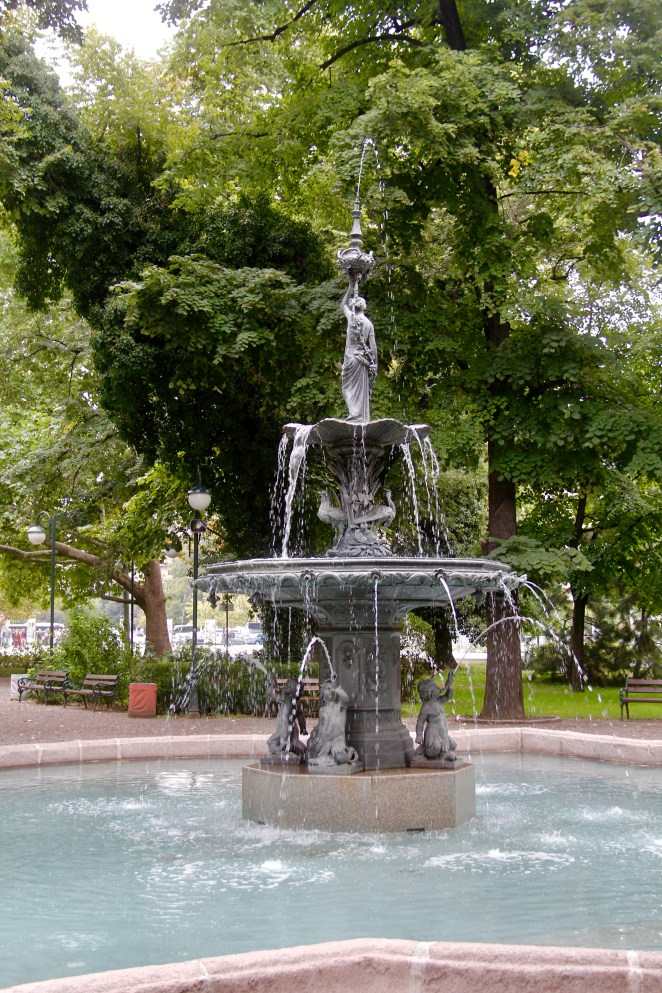
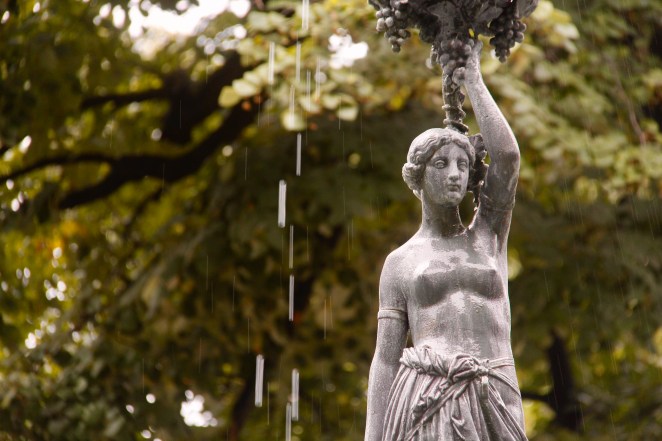
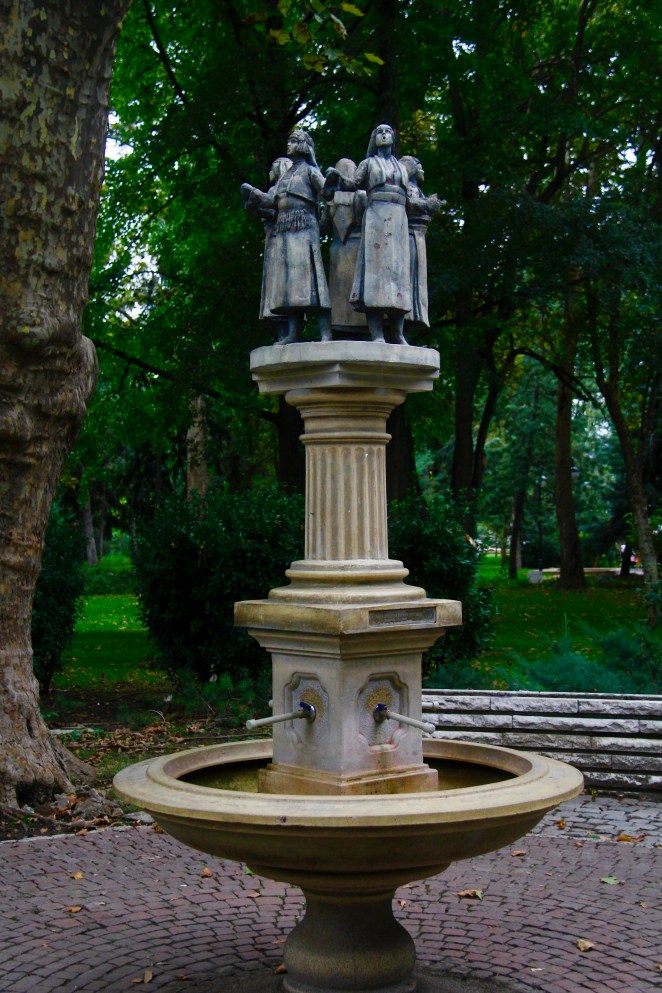
The Garden is apparently recently “renovated” and boasts fountains, ponds, art and “art”.  One of the recently refurbished fountains is Demeter’s Fountain, dedicated to the Greek goddess of the same name.

fullsizeoutput_1a23fullsizeoutput_1a24fullsizeoutput_1a25

The Garden had all sorts of sculptures and statues, some beautiful, some thought provoking…

fullsizeoutput_1a27fullsizeoutput_1a28fullsizeoutput_1a29

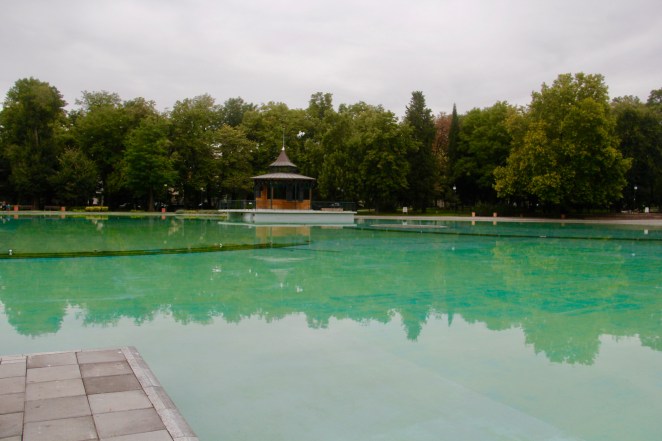
Finally we arrived at the “Singing” Lake, a large man-made fountain/pond that when approached it, was BYOS (Bring Your Own Singing).  There was a lovely covered cafe beside it, so we sat down and enjoyed some espresso con panna while some of the waterworks in the lake started, but no singing.  Apparently on Friday and Saturday nights, there is music and a light show.

fullsizeoutput_1a2afullsizeoutput_1a2b

At the end of the Garden is tall monument dedicated to Philip II, who named the city Philippopolis, is seen here with both eyes (according to Pa he lost one at some point) and died under mysterious circumstances (was it his wife?  His ambitious son, Alexander the Great?  We’ll never know…).

fullsizeoutput_1a2cfullsizeoutput_1a2d

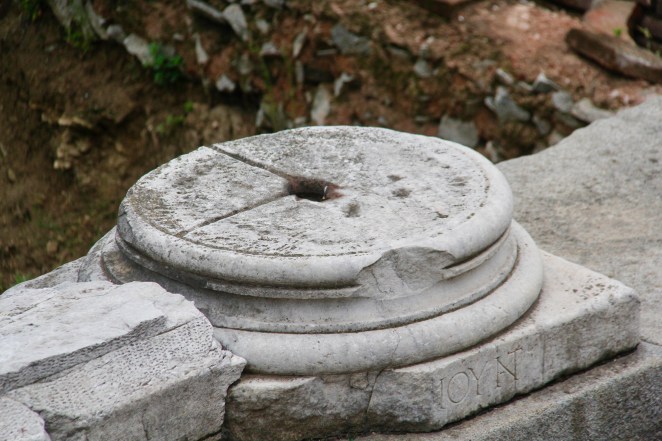
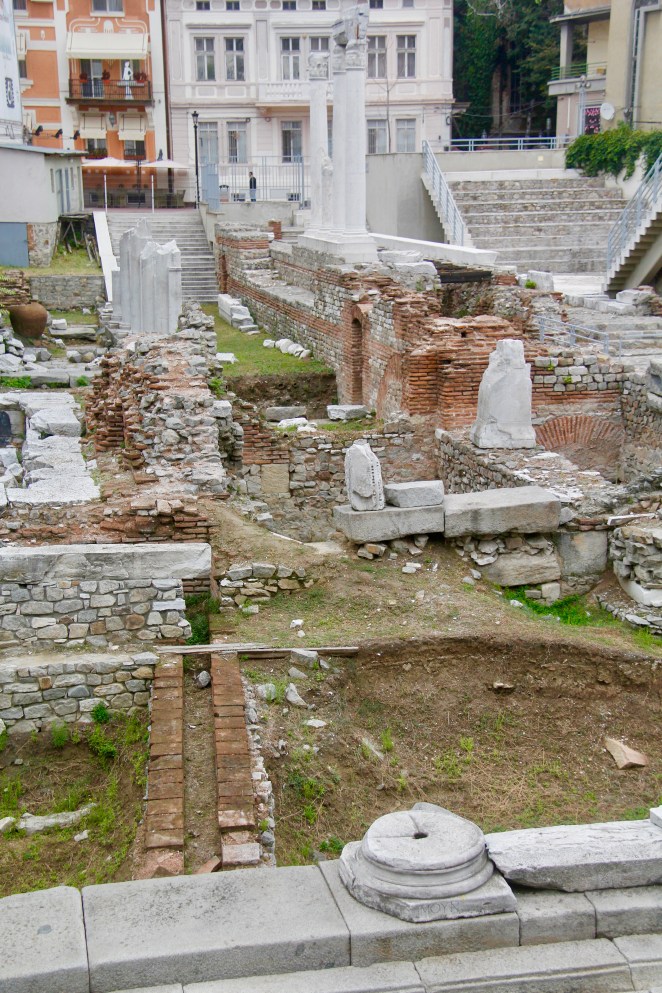
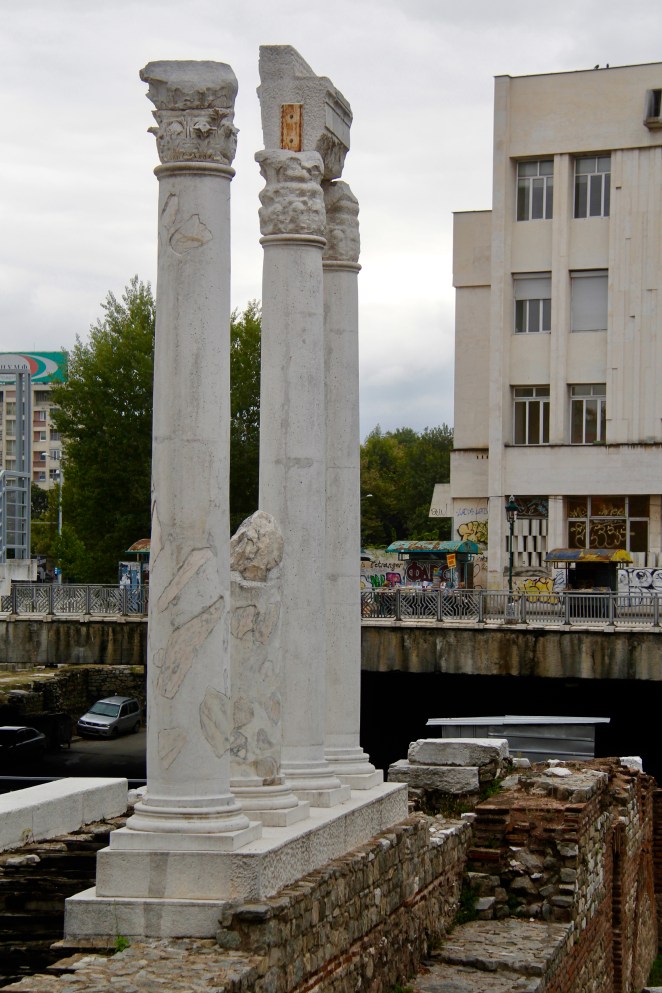
After our stroll through the garden, we headed back to the ruins of the Roman Forum, this time from the other side to get a better view.  It’s amazing to think that under so much of the city are Roman ruins, which were built on top of Greek ruins, which were built on top of Thracian ruins.

fullsizeoutput_1a2efullsizeoutput_1a2ffullsizeoutput_1a30fullsizeoutput_1a31fullsizeoutput_1a32

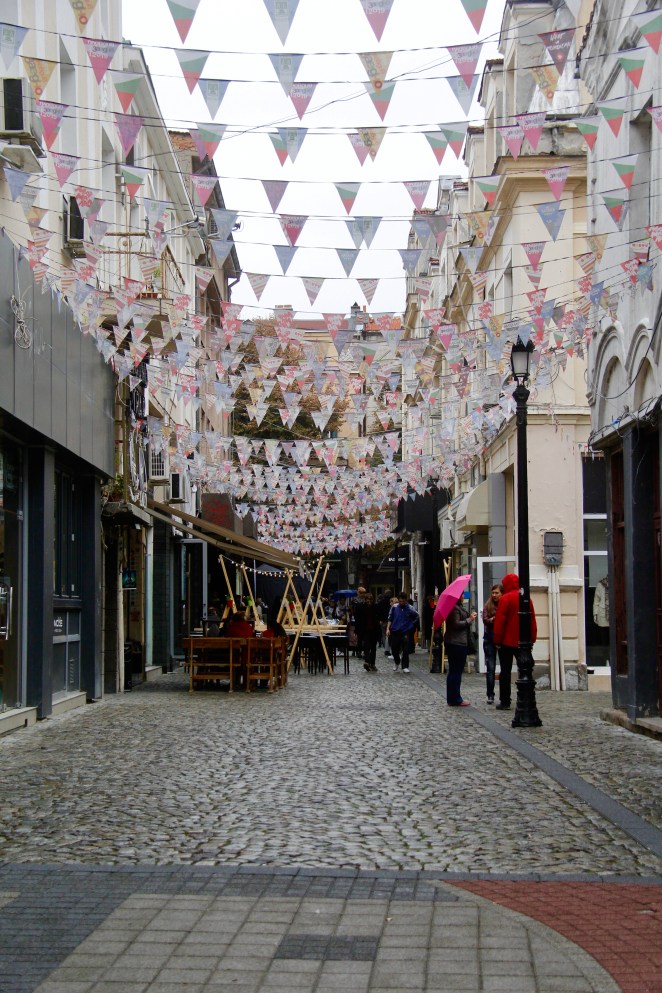
Heading back to the main pedestrian street, we walked through an arts festival, and some big steampunk grill with chicken cooking.  It smelled amazing.  Definitely one of the meals I’ve fallen in love with in Bulgaria is chicken kebab and Shopska salad.

fullsizeoutput_1a33

A few minutes on foot and we were at the Kapana, also known as the Trap.  The Kapana is a section of Plovdiv that houses restaurants, shops and galleries.  There was an awful  lot of food windows hawking shawarma and falafel, and it smelled outstanding.  Had we not just had ice cream, I would have eagerly snapped up a chicken and baba ghanouj shawarma.  The length of the main street of the Kapana was mostly purse, shoe and questionable men’s fashion shops, but one store caught my eye – Inglot.  I went in and picked up some nail polish and shimmer dust (necessities) and by that point, the rain had really started to pick up, so Pa bought me an umbrella and we headed back to our hotel to warm up before a delicious steak dinner at Hemingway and cake and coffee at the hotel’s cafe before turning in to pack for the 2nd to last time (one of the worst parts of travel for me).

fullsizeoutput_1a35fullsizeoutput_1a36

Day 18: Wobble

Today we were up and ready to go after a great night’s sleep now that temperatures have cooled off.  Our hotel provides an outstanding breakfast, so we helped ourselves and were on our way, ready to tackle the Plovdiv’s old town.

Our first stop was at an exhibition called TrakArt.  It’s ancient Roman mosaics and glass works from the 2nd century AD, uncovered 20 years ago when city workers were digging an underpass.  They have left the mosaics as they are and built a boardwalk overtop of them.

fullsizeoutput_19e6fullsizeoutput_19e9fullsizeoutput_19ea

After marvelling at them, we headed north towards the old town, searching for Plovdiv’s crown jewel of Roman relics – the Amphitheatre.  Plovdiv is known for having 7 hills, and the Amphitheatre is built between two of them, Dzhambaz and Taksim.  The hike up the hills is lined with beautiful orthodox cathedrals and churches.

fullsizeoutput_19eb

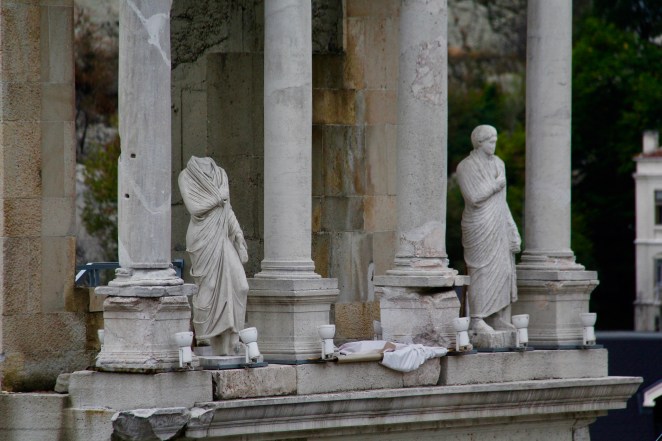
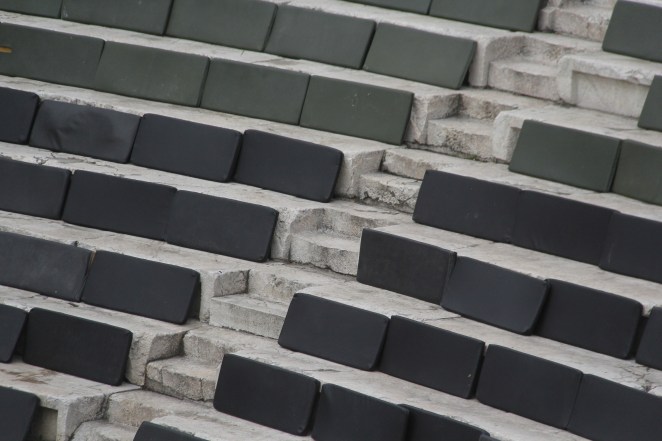
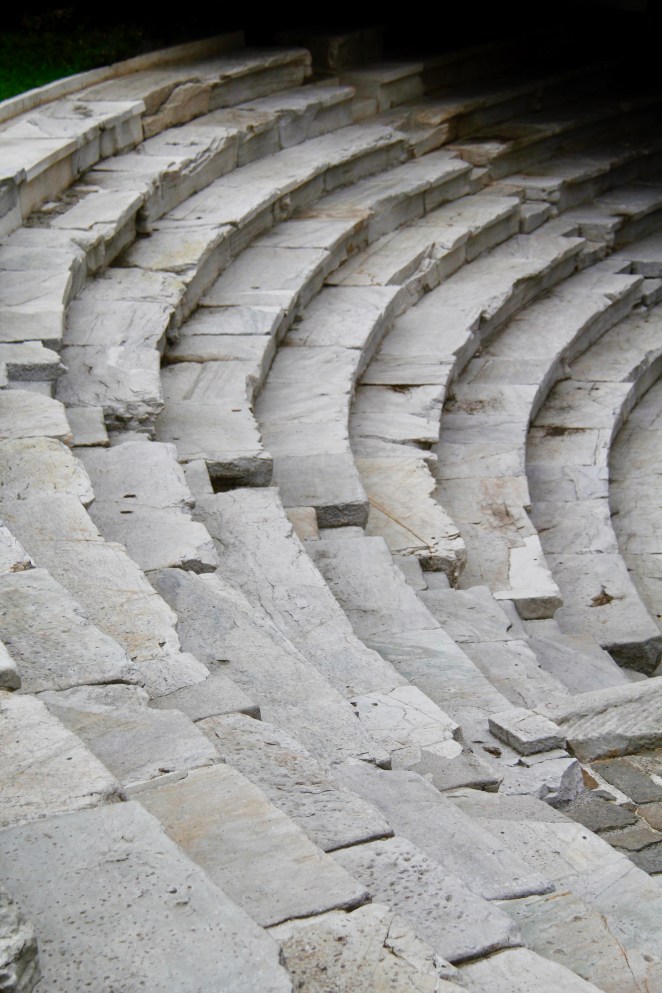
After desperately trying to not roll our ankles on the “cobblestones” (more on those later) we were upon it – the Roman Theatre of Plovdiv, built in the 1st century AD and still in use to this day.

fullsizeoutput_19eefullsizeoutput_19f0fullsizeoutput_19f3fullsizeoutput_19f5fullsizeoutput_19f7_MG_5482

We were allowed to walk freely around the theatre, except for the stage as workers were setting up for a Bulgarian folk performance later tonight.  We sat in the theatre and just took in the setting, the Rhodope Mountains in the background.  The theatre was built under Emperor Domitian, damaged in the 5th century AD by Attila the Hun, then covered by a landslide and forgotten until the 1970s, when it was discovered and spurred a massive restoration.

_MG_5492

fullsizeoutput_19fb

Just as we were ready to leave the Amphitheatre, the sun started to come out, so we headed into the old town to see the Old Plovdiv Houses in beautiful, warm weather.

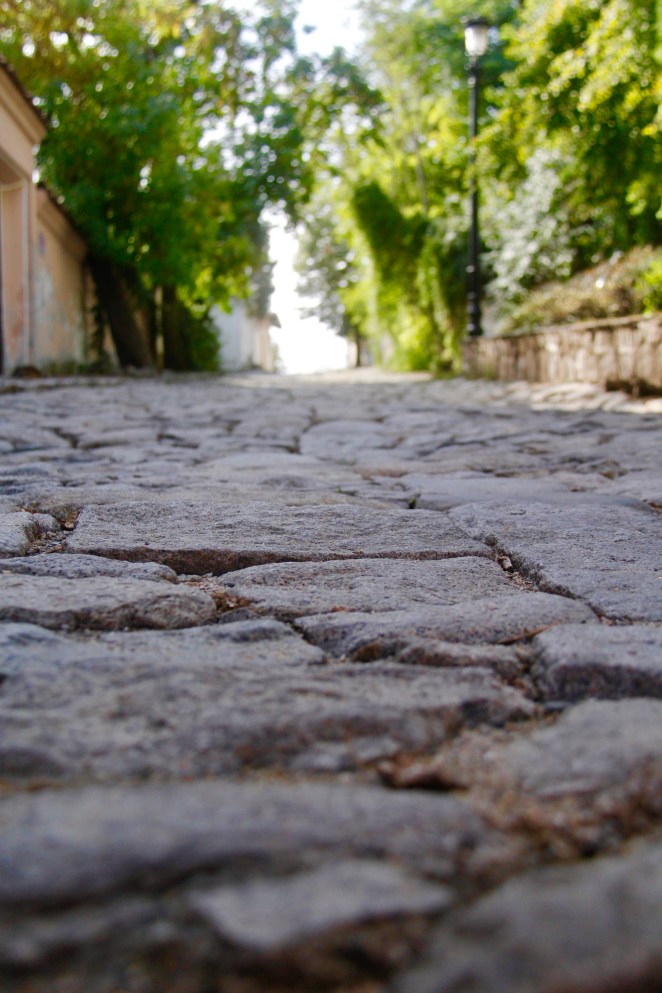
A note about the cobblestones – they are not really cobblestones.  They are randomly shaped and sized rocks placed about to form some sort of road.  We had to watch where we were walking for a few minutes, stop, then look around.  Walking and looking about at the same time would have spelled compound fracture for one of us.

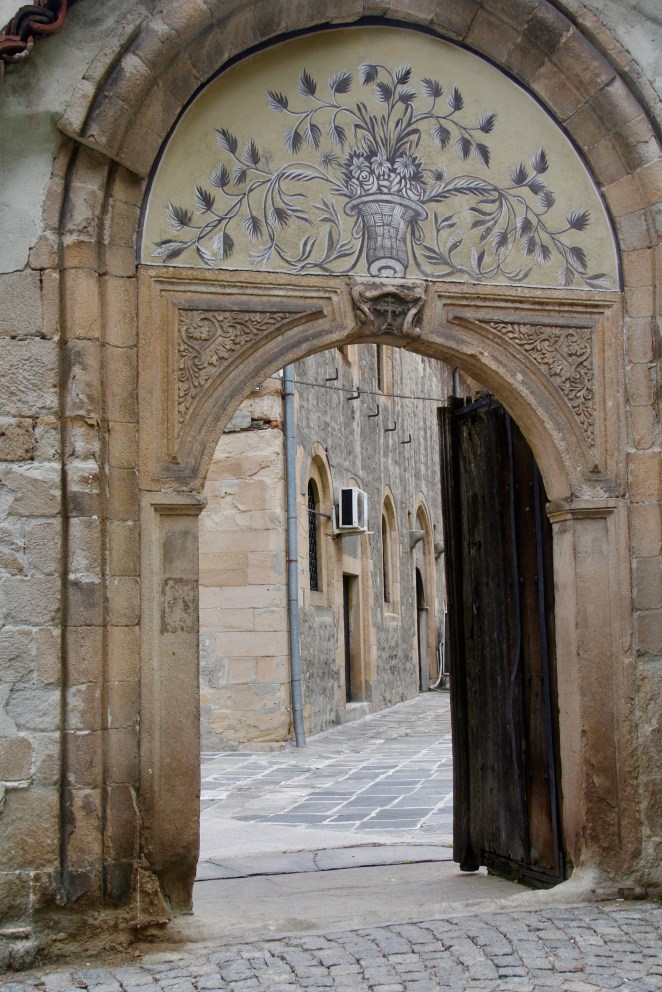
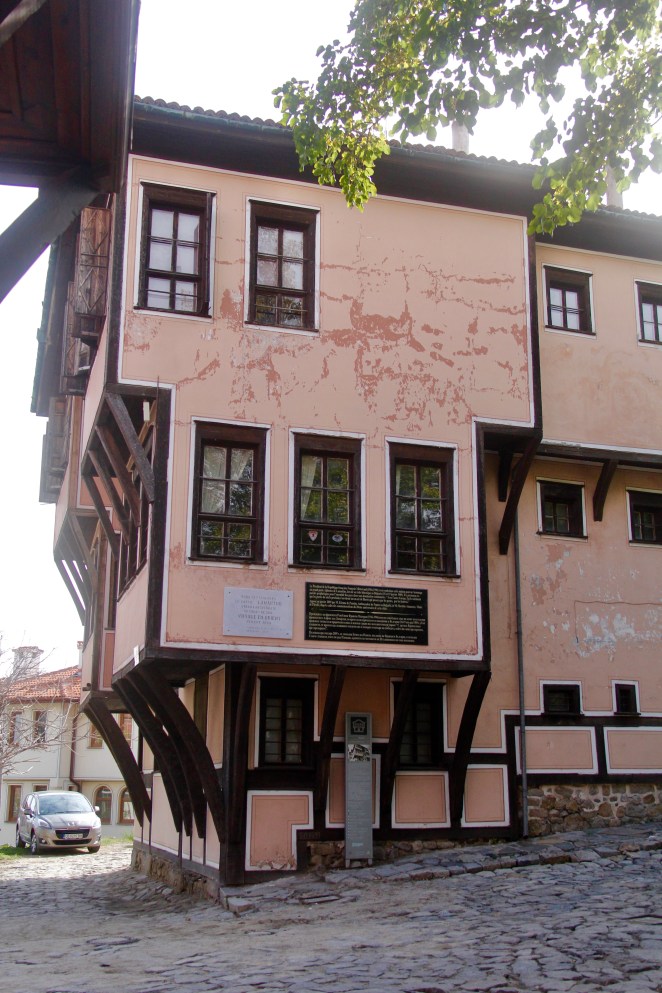
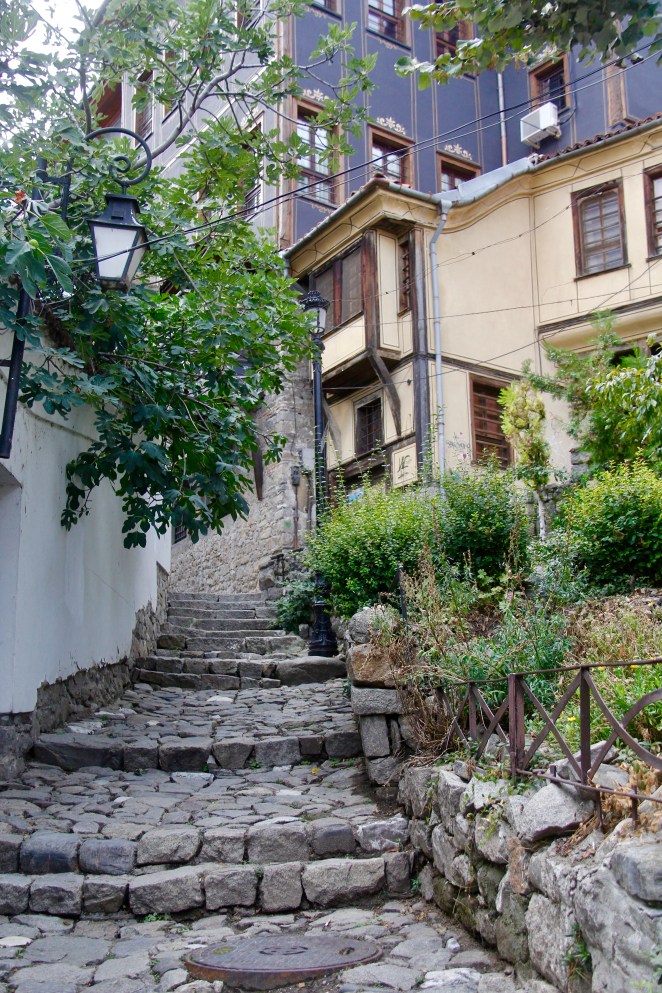
The old town of Plovdiv takes you from ancient Rome to 18th and 19th century Ottoman Empire, and there were many beautiful, symmetrical homes built in the Ottoman style and many of which have been beautiful restored.

fullsizeoutput_19fdfullsizeoutput_19fefullsizeoutput_19fffullsizeoutput_1a00

Walking around the hills of the old town, especially on a day like today, was like walking around Byzantine Montmartre – it was green and leafy, lots of little shops and cafes tucked away, as well as artists and studios.

fullsizeoutput_1a03fullsizeoutput_1a04fullsizeoutput_1a05fullsizeoutput_1a06fullsizeoutput_1a08fullsizeoutput_1a09

One of the “must-see” old houses is now the Ethnographic Museum.  It’s surrounded by a beautiful garden of fragrant roses and rosemary.

fullsizeoutput_1a0afullsizeoutput_1a0cfullsizeoutput_1a0dfullsizeoutput_1a10

We made it to the top of another one of the hills and decided it was time for a drink, so we found a recommended beer garden with a sunny patio that overlooked the city, so we grabbed a seat and a couple of pints and enjoyed the view and each other’s company.

When we finished our beers (Ma had a Bitter Lemon) and decided to check out the Craft Street.  As it turns out, there wasn’t much going on, so we decided to hike back up the wobbly hill and head back to the main pedestrian street by our hotel to grab some lunch, as it was already approaching 1400hrs.
fullsizeoutput_1a11fullsizeoutput_1a12fullsizeoutput_1a13

We found an Italian restaurant that came recommended, had some late lunch (we wouldn’t recommend this place) and decided to go to a fountain-side cafe for some coffee and ice cream.  The ice cream was absolutely delightful and nursing our sore joints, we wobbled back to the hotel for some down time of reading and postcard writing before grabbing a small dinner in the cafe downstairs and turning in for the night, hopefully getting enough sleep for our last day in Plovdiv.

fullsizeoutput_1a14

Day 17: Oldie But a Goodie

Today we woke up to another grey and blustery day in Sozopol.  We packed our things and headed down for our last breakfast on the Black Sea.  Our wonderful innkeeper (we never did find out his name) gave us a bottle of Bulgarian red wine to take home before handing us over to the capable driving hands of Ivan, the sweet gentleman who had driven us from Veliko Tarnovo to Sozopol (we hired him again because we like him so much).  By 0945hrs we hit the road, the soundtrack from Evita on the car stereo, heading west, towards the city of Plovdiv.  Pa has been really excited to see Plovdiv because it is the oldest continuously inhabited city in Europe, and has evidence of habitation from the 6th millennium BC, and has changed hands between the Romans, Thracians, Ottomans and others plenty of times.  Pa is mostly interested in the ancient Roman ruins.

By 1400hrs and after a boring drive (what do I know, I slept through most of it) we entered the city limits of Plovdiv and found our hotel.  We’re staying in a boutique hotel here, and it looks like the hotel owns most of the street – two hotel buildings, a bakery, and a special relationship with a really good restaurant across the street, Hemingway.  Also across the street from us, is this:

fullsizeoutput_19c2fullsizeoutput_19c4fullsizeoutput_19c6fullsizeoutput_19c7

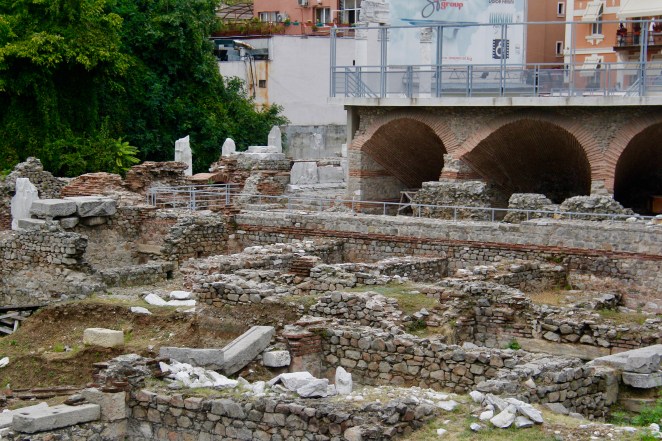
Ruins of a Roman Odeon from the 2nd century AD, also known as the Odeon of Philippopolis (the city was once called Philippopolis as it had been conquered by Philip II of Macedon).  The ruins were uncovered in 1988 and restoration has been somewhat continuous.  The Odeon still houses performances and shows!

There is a lot of old, ancient Roman and Thracian ruins and buildings around the city, including the crown jewel of the ruins, the Roman Amphitheatre, but we wanted to pace ourselves.  We went to Hemingway for a late lunch (more shopska salad for me) as well as bruschetta, spinach salad, beers and cheesecake, probably the best cheesecake Ma and I have ever had.  After lunch we decided to stroll along the main pedestrian street and see what kind of old stuff we would come across.

fullsizeoutput_19c8fullsizeoutput_19c9

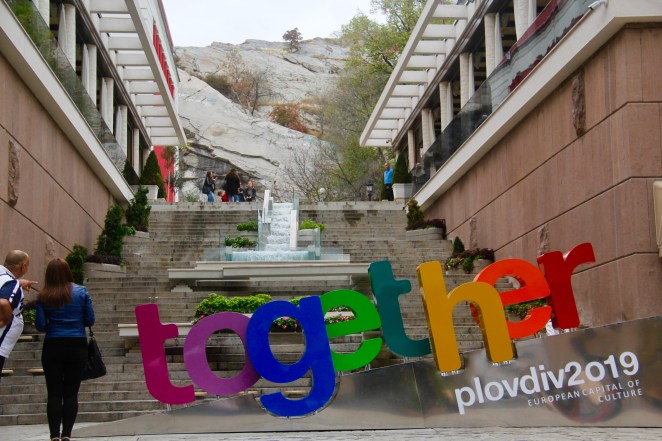
Plovdiv was selected to be the European Cultural Capital in 2019, so they have all sorts of signage and improvement projects around the city.

fullsizeoutput_19cafullsizeoutput_19cb

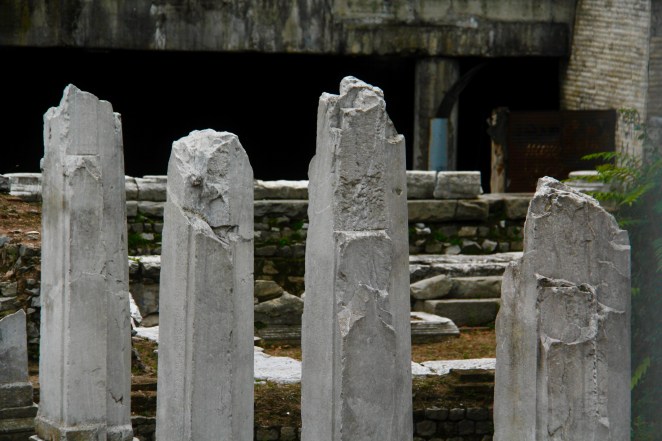
A short amble up the pedestrian street from our hotel we came across uncovered parts of the Plovdiv Roman Stadium, also known as the Stadium of Trimontium.  Again from the 2nd century AD, the stadium (only a part of which can currently be seen) seated 30,000 and housed all sorts of Olympic-type games and spectacles.  Pa was nerding out big time.

fullsizeoutput_19cd_MG_5320fullsizeoutput_19cf

What I like about the ruins is you can walk freely through them, touch them, sit on them.  They are still an interactive yet respected part of the city.

fullsizeoutput_19d0fullsizeoutput_19d1fullsizeoutput_19d2

Through the tunnel underpass of the Stadium was a wall built by Hadrian (not Hadrian’s Wall) and the remains of an aqueduct.

fullsizeoutput_19d3fullsizeoutput_19d4

Climbing out of the ruins we came across Dzhumaya Mosque, built by the Ottomans in 1363.  The Mosque marks the start of an artsy and funky district known as Kapana, or in English “The Trap”.  We decided to save Kapana for a later day on our trip.

fullsizeoutput_19d6fullsizeoutput_19d7

Attached to the Mosque is a Turkish coffee house, and Pa and I can’t say no to that potent, thick sludge.

fullsizeoutput_19d8

We wandered back down the pedestrian street, looking in the shop windows and admiring all the fashion and “fashion”.  There are a lot of menswear shops, some with beautiful suits and jackets (those who know me know how much I loooooove a beautiful coat on a handsome man) and some hawking the worn-and-torn-yet-bejewelled jeans I have seen far too much of on this trip.

fullsizeoutput_19d9fullsizeoutput_19dbfullsizeoutput_19dcfullsizeoutput_19dd_MG_5375fullsizeoutput_19e0

It was dinner time by the time we got back to our hotel, and we weren’t particularly hungry, so we settled for some pastries and coffees and snuggled down for the night.

fullsizeoutput_19e1

Day 15: This Ship Has Sailed

We were up early today, eager to eat breakfast and head over to the ferry that we had reservations for the would take us across the bay to the town of Nessebar.  We left our hotel to high wind and grey sky with Gravol in tow and headed back towards the old town, over to the Fish Port on the far side.  We found the kiosk – closed.  In true us fashion, we were there pretty early, so we decided to wait and walk around the marina, looking at the moored vessels.  Pa then asked a guy wearing a high visibility vest (Sozopol Port Authority?) if we were at the right spot, and he advised us as best as he could that “everything closed”.  When our time of departure rolled around, sure enough there was no ferry and no one at the kiosk, so we gave up on our Nessebar dreams and decided to have a lazy day around Sozopol.

fullsizeoutput_198afullsizeoutput_198bfullsizeoutput_198cfullsizeoutput_198d

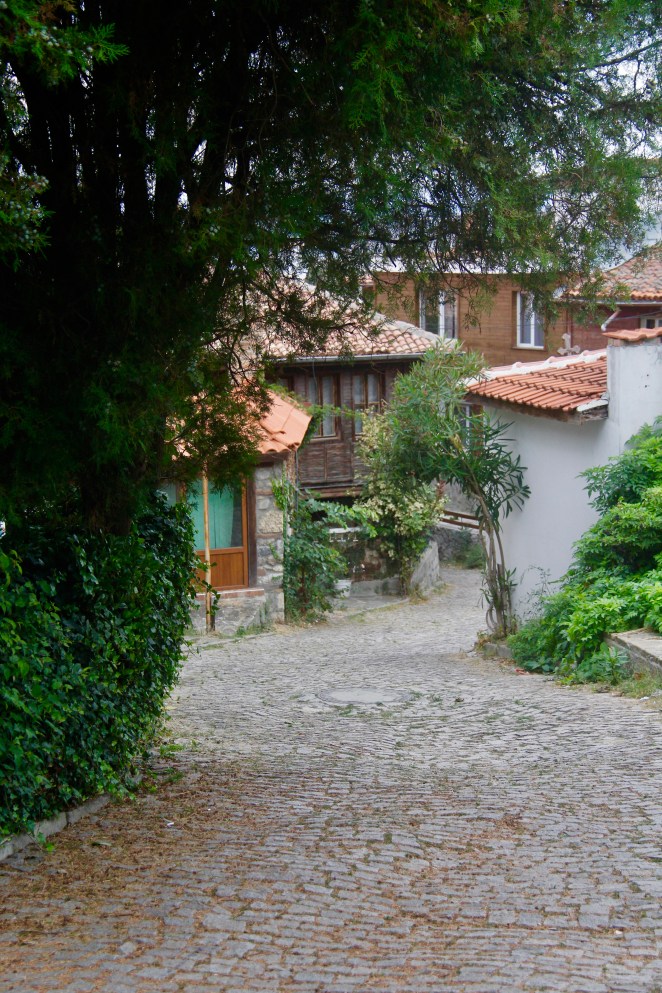
We decided to spend the morning walking the length of the peninsula and getting lost in the lanes and small streets of the old town.

fullsizeoutput_198efullsizeoutput_198ffullsizeoutput_1992fullsizeoutput_1999fullsizeoutput_199cfullsizeoutput_199dfullsizeoutput_199f

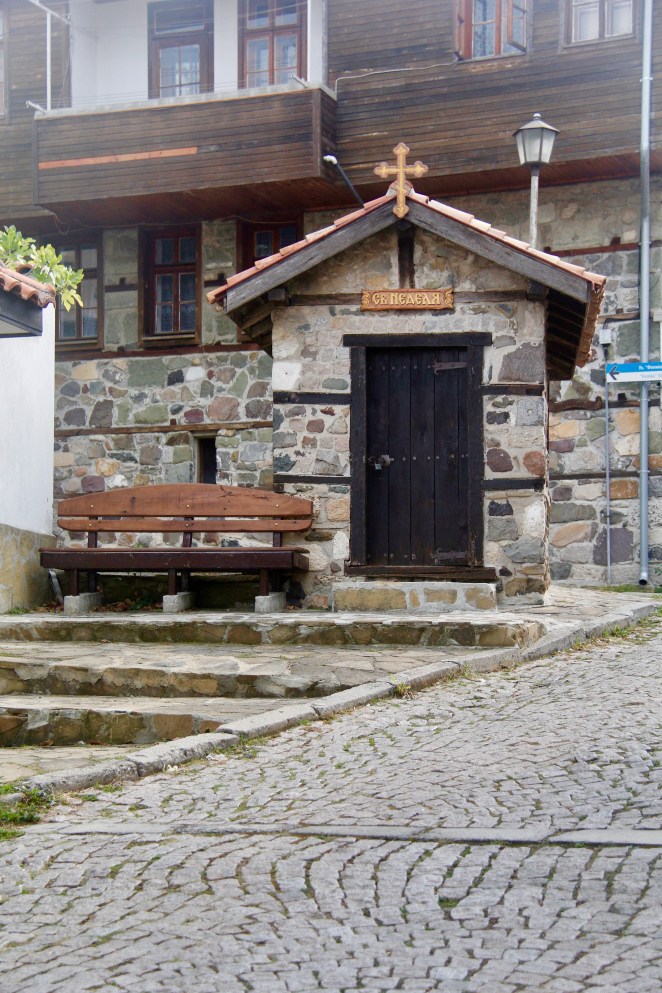
We discovered even more old wooden houses and small little churches.  We also discovered that in Sozopol residents do this thing where they post what looks like a flyer of a deceased relative on the front door of their houses.  What they say, I have no idea and I’m not sure if it’s a Bulgarian, Sozopol or Eastern Orthodox  custom.  We have also discovered that locals (in Romania and Hungary as well) think we’re English, and the English we meet assume we’re Americans, until we tell them and they immediately apologize.

fullsizeoutput_19a0fullsizeoutput_19a2

Despite the grey start to the day, the sun started to come out and humidity was at a high, although the wind was still strong.  We walked up and down small cobbled streets, said hello to passersby and workers boarding up businesses after the season.

fullsizeoutput_19a3fullsizeoutput_19a4fullsizeoutput_19a5

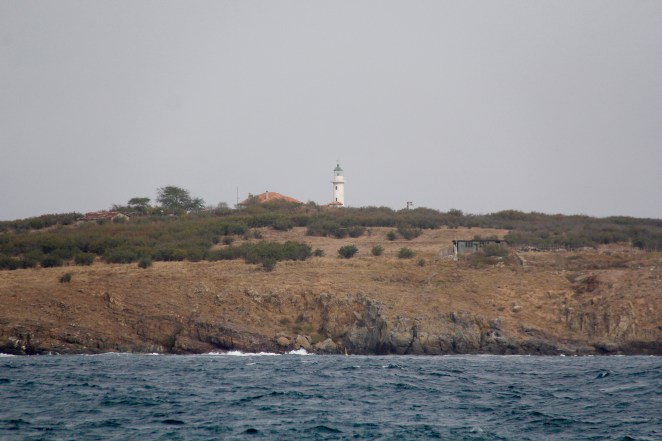
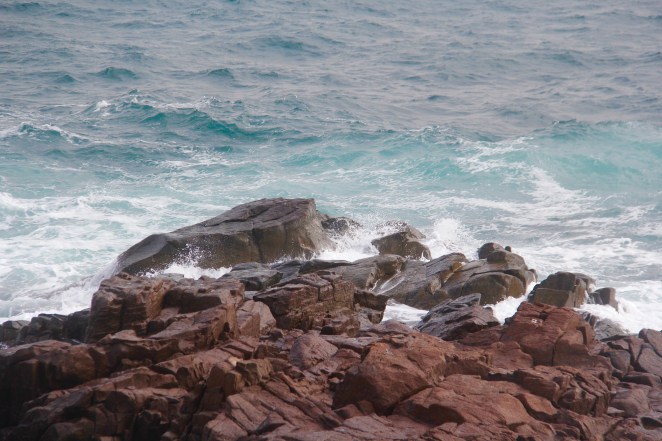
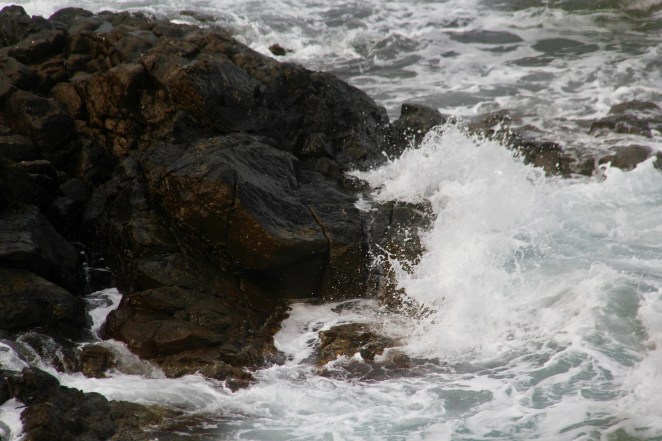
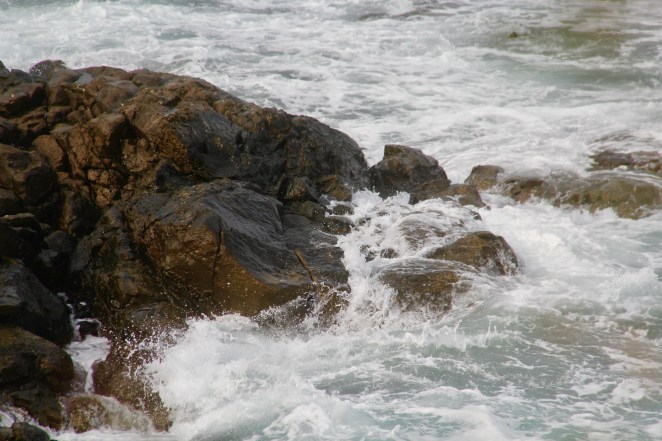
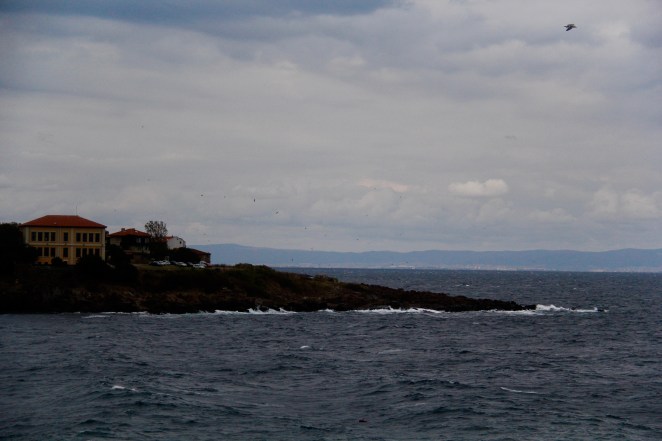
We made it to the tip of the peninsula and watched the water break on the rocks, acknowledging that at this point, this is the farthest east the 3 of us had been (so far in Europe) and that directly across the Black Sea from us was Georgia.

fullsizeoutput_19a8fullsizeoutput_19a9

We wandered back to the centre of the old town and relaxed under a patio umbrella with some coffee and soft drinks.  Then, almost out of the blue, the rain came.  It was still warm and humid and we were cozy under the umbrella, so we just enjoyed it.

After a few minute the rain let up and we walked out of the old town, past our hotel and south towards Sozopol’s other beach, Harmanite Beach

fullsizeoutput_19ac

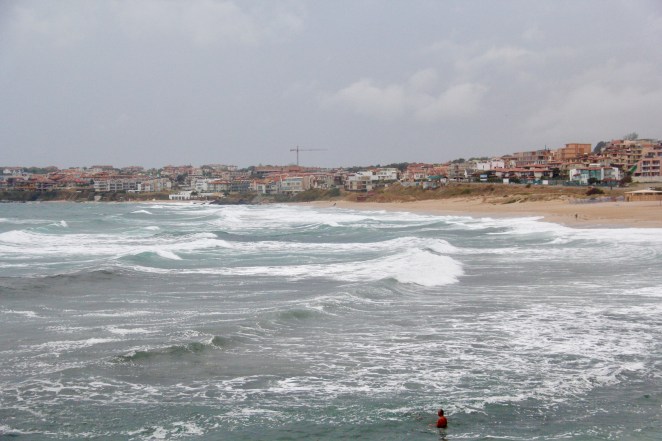
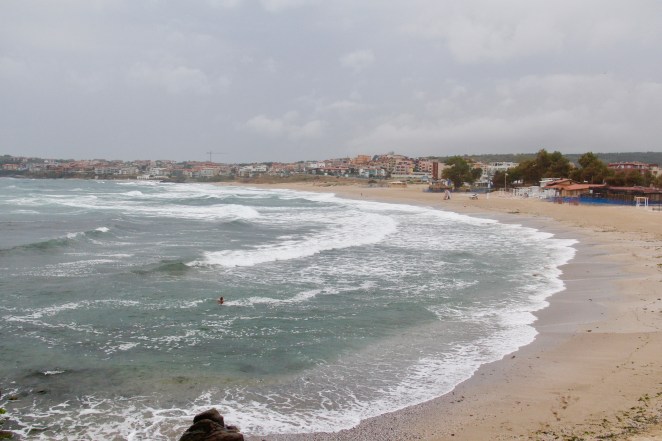
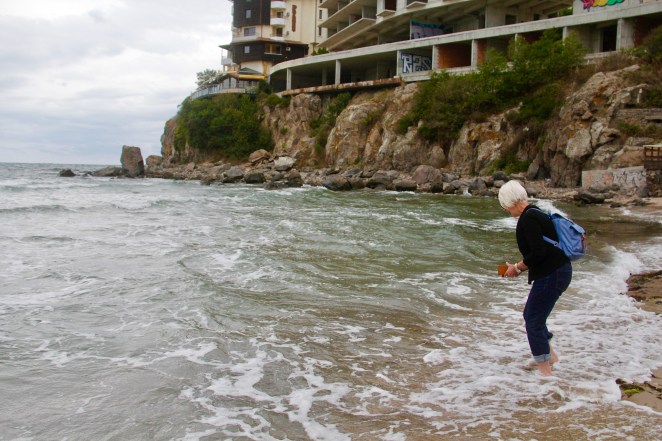
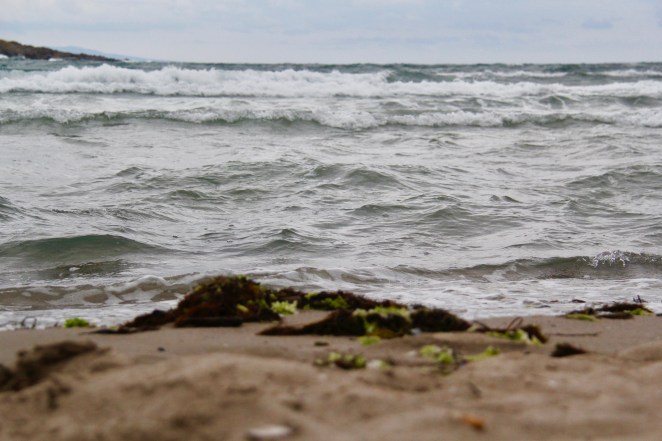
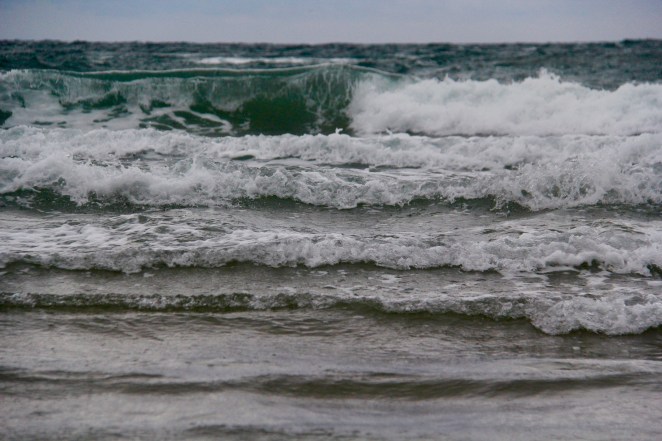
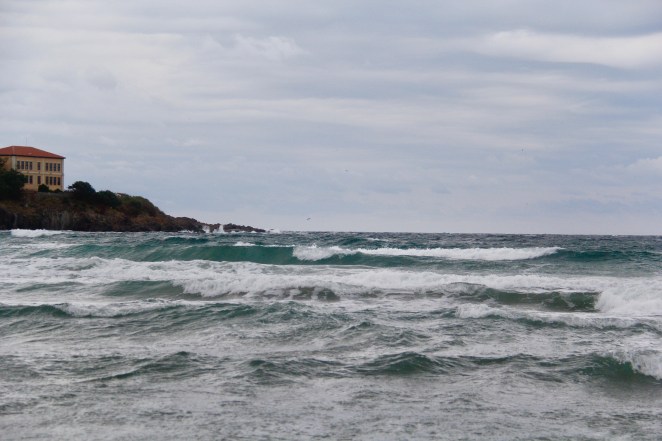
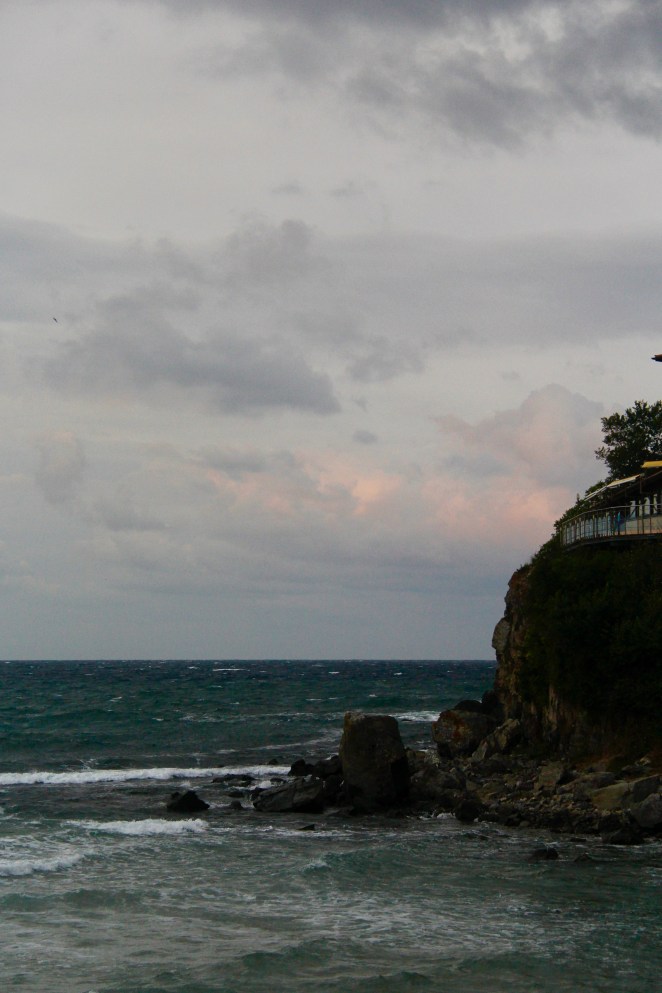
Harmanite Beach is larger and quieter than Central Beach with apparently a lot of beach-side bistros and restaurants, but like most things, they were all shut and boarded up for the season.  The wind was getting stronger and whipping up some pretty big waves, although no surfers were to be seen taking advantage of it.

fullsizeoutput_19aefullsizeoutput_19affullsizeoutput_19b3

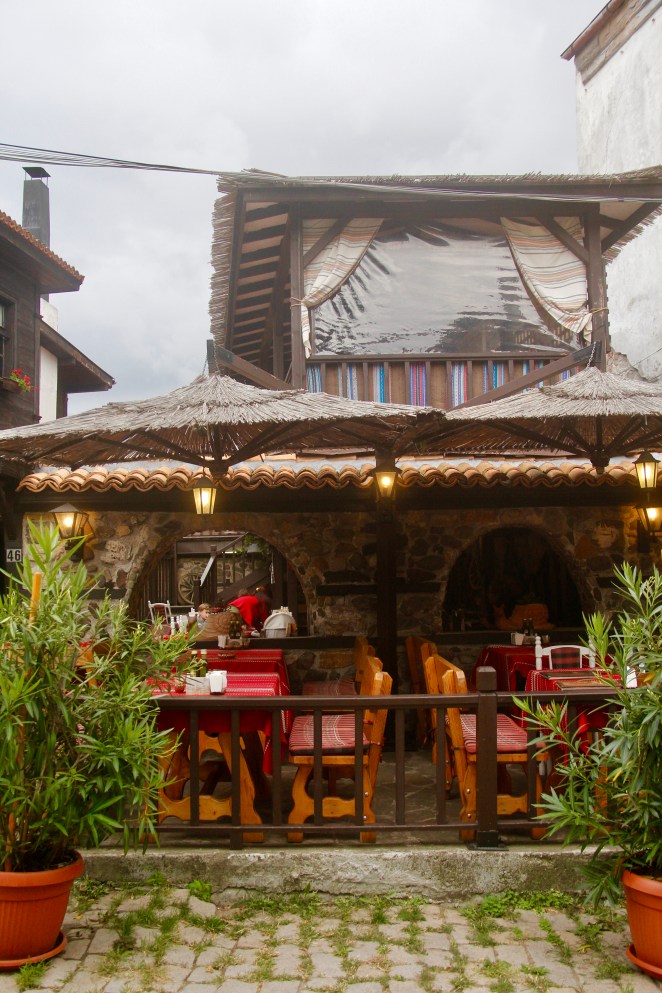
We found a cute little cafe and had a long, leisurely late lunch of beer, fries, kebab and schnitzel.  By 1600hrs, we were tired and wind battered, so Ma and Pa went off to find a a grocery store to get some snack food while I stood on a bluff by a little church and watched the waves.  Again, the sun started to come and I thought that maybe we’d have a beautiful sunset, but as quickly as it had come out, the sun was again behind the clouds and a nearby flash and boom indicated that it was time for me to back away from the water and head back to the hotel, where I met with Ma and Pa and we had a hotel room beer picnic for dinner and an early night.

fullsizeoutput_19b6fullsizeoutput_19b8

Day 14: Hellenistic on Wheels

Today we were up early and out the door by 0900hrs, heading for our easternmost stop on the trip, Sozopol, an old Thracian settlement on the Black Sea.  The Bulgarian coast on the sea is a pretty popular party area, especially in cities such as Varna and Sunny Beach, but because we’re not a partying bunch and are history nerds, we decided on Sozopol.

We decided to hire a driver, so we had sweet and professional Ivan drive us out.  Ivan was very knowledgeable about the area we were driving through and offered his CD wallet for us to pick the tunes.  Sadly for me, whether it be on a plane, boat or back seat of a comfortable vehicle, I tend to get motion sickness, so I popped a ginger-chew Gravel and dozed off.

We pulled into resort town of Sozopol around 1400hrs and after a bit of a run-around, found our quaint, family run Hotel Hedy.  We grabbed some lunch (another Shopska salad for me, so good!) and went down to hit the beach.  Our hotel is between two different beaches, Central Beach being a 3 minute walk and Harmanite Beach being a 4 minute walk, so we chose the 3 minute walk.

fullsizeoutput_1963fullsizeoutput_1964fullsizeoutput_1966fullsizeoutput_1967fullsizeoutput_1969

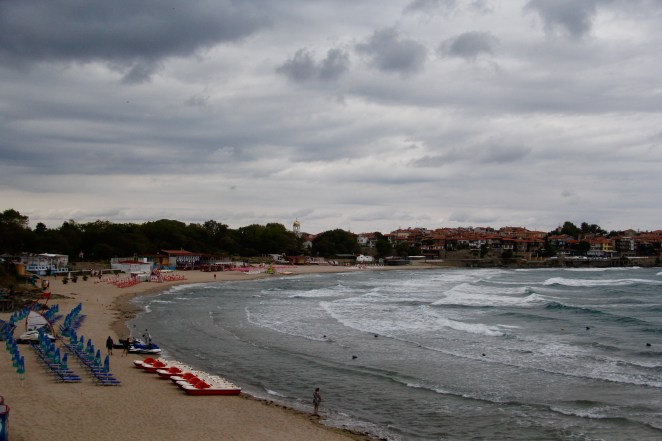
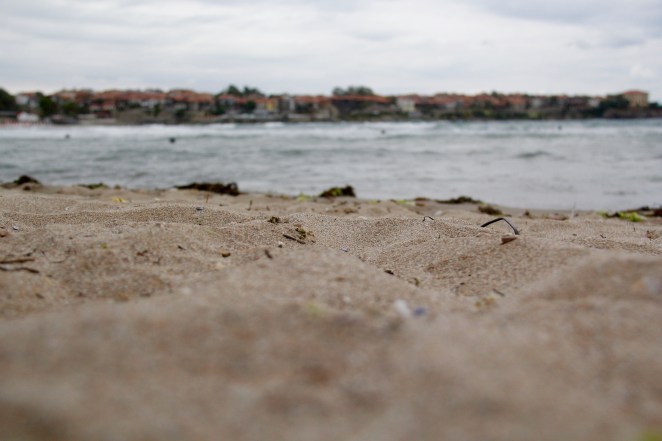
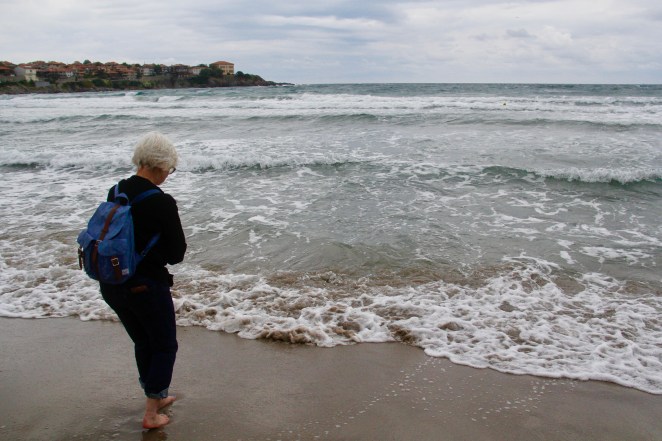
We have had beautiful sunny weather pretty much every day of this trip, and the day we get to the beach, it’s cloudy and windy.  It was, however, and very manageable 22C degrees, so Ma and I took our boots off, felt the sand in our toes and dipped our feet in the Black Sea.

fullsizeoutput_196afullsizeoutput_196bfullsizeoutput_196cfullsizeoutput_196dfullsizeoutput_1971fullsizeoutput_1972

As I previously said, Sozopol is a resort town, and we caught the very end of the season.  No one else was out on the beach, no surfers in the water, no one relaxing in cabanas or lounge chairs.

fullsizeoutput_1974fullsizeoutput_1975fullsizeoutput_1976fullsizeoutput_1977fullsizeoutput_1979

Although we were all feeling pretty tired, we decided to walk the length of the beach and at least head up to the old town at the tip of the peninsula for a minute.  The wind had really kicked up and many restaurants were closed and boarded up.  Although I was mildly disappointed about the slightly stormy weather, I also delighted in it, because it reminds me of the Pacific Ocean at home, the salt water air perfuming my clothes and the wind whipping my hair.

fullsizeoutput_197a

As I said before, we chose Sozopol because it has some pretty old history, and we started to get reenergized seeing old structures, like this ancient Hellenistic cathedral in ruins from years 7 BC – 5 BC.

fullsizeoutput_197b

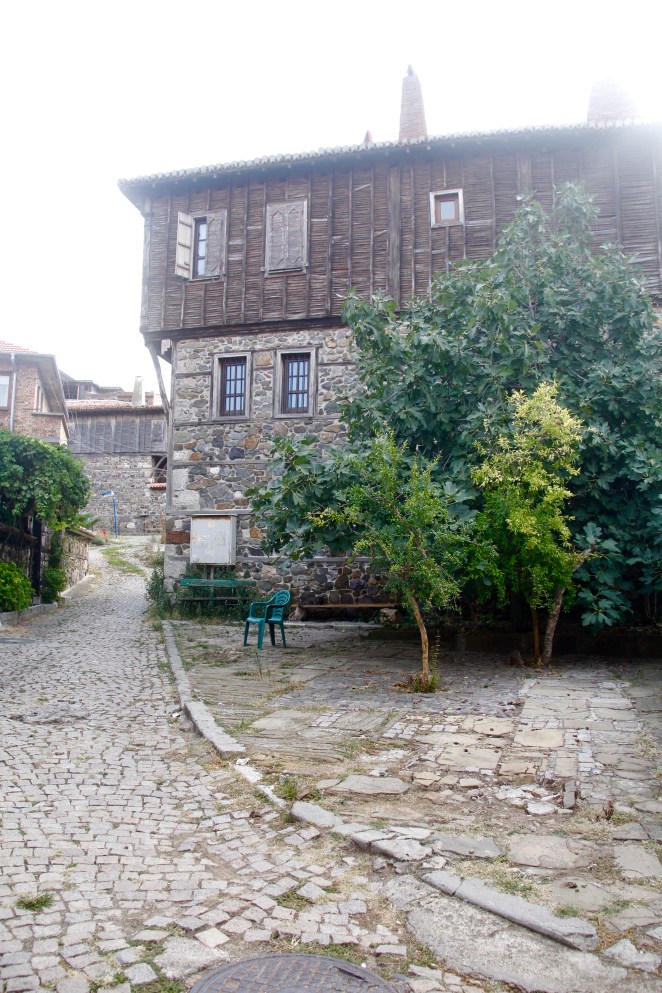
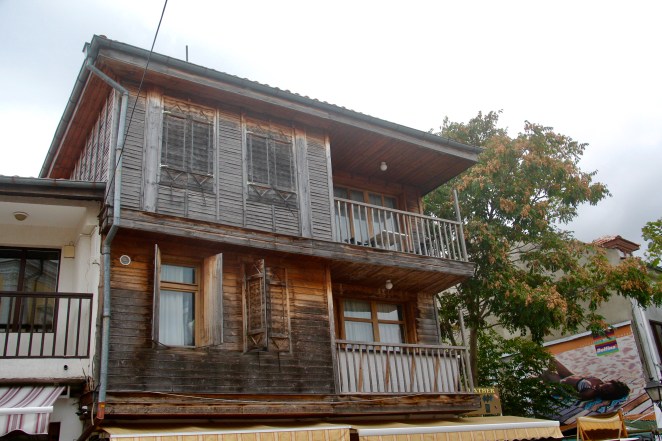
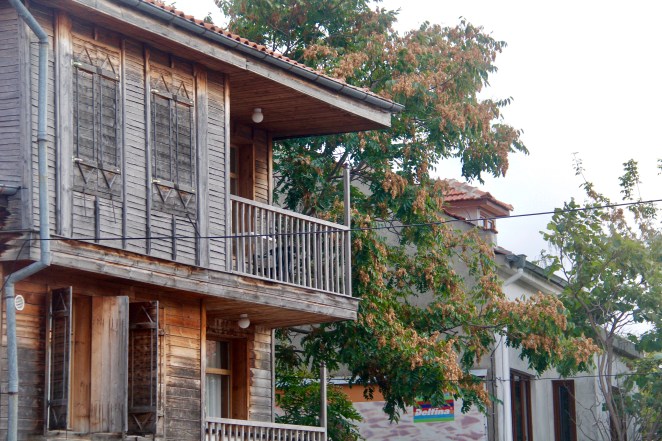
Some of the medieval landmarks of Sozopol are old wooden houses and structures, so we wandered deeper into the enchanting old town to get an eyeful.

fullsizeoutput_197dfullsizeoutput_1980fullsizeoutput_1981fullsizeoutput_1982fullsizeoutput_1984fullsizeoutput_1985fullsizeoutput_1987

After a few hours of wandering and picking up some postcards, we decided to grab a light dinner in the old and head home, just beating the impending rain.

fullsizeoutput_1988

Day 13: Ankle Breakers

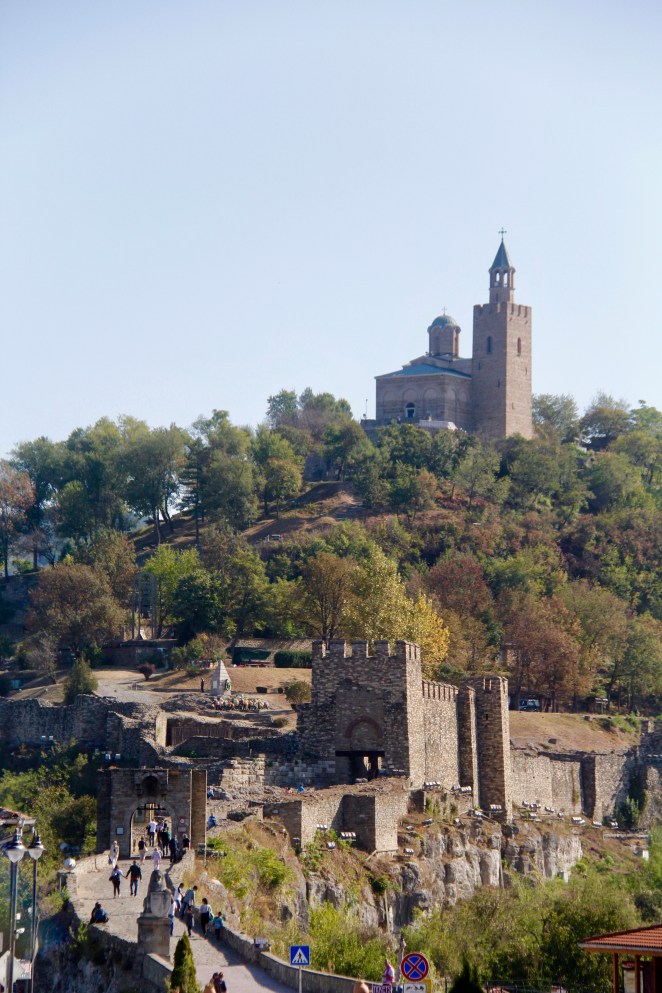
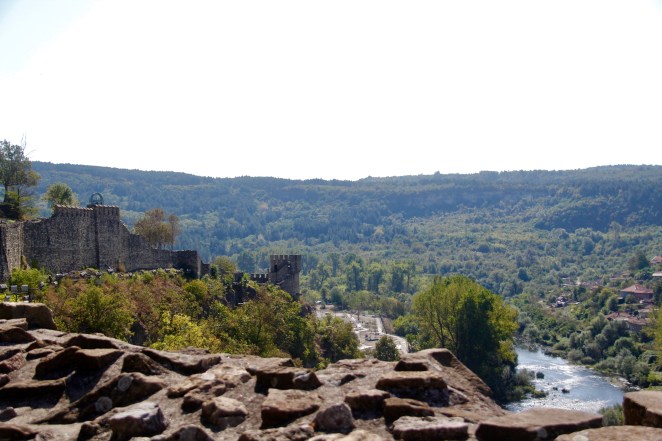
Today is our only full day in Veliko Tarnovo, so we decided to visit the Tsaravets Fortress, previously mentioned.  We wanted to do it early, because today was supposed to be a scorcher (it was).

fullsizeoutput_1893fullsizeoutput_1895

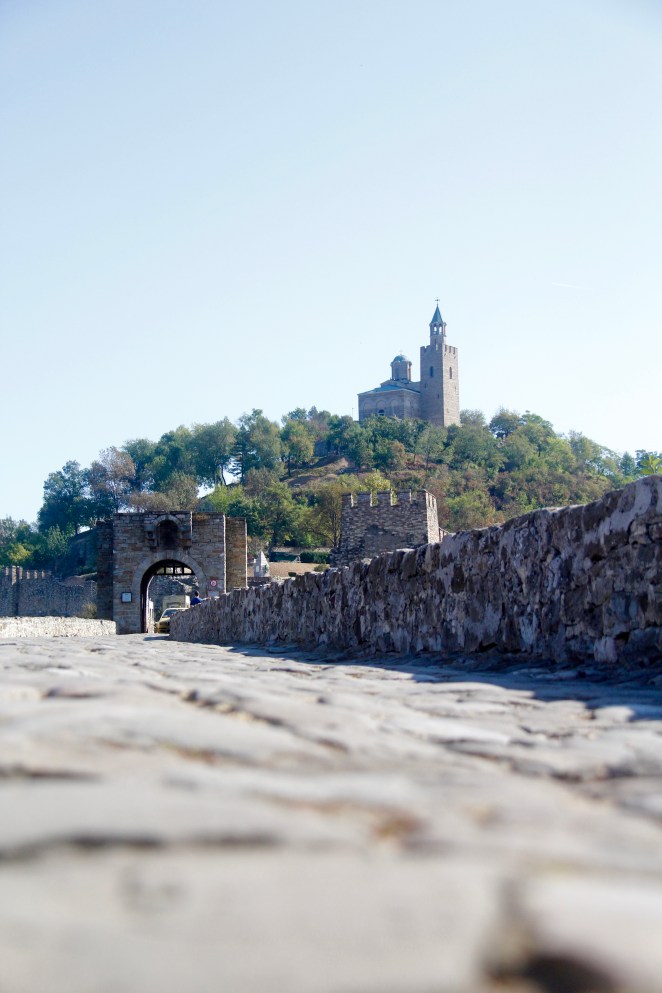
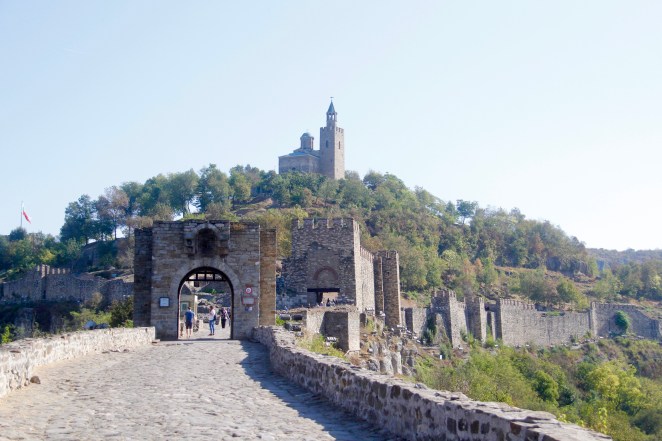
The winding road to the large gate is not particularly strenuous, but the cobbled road is so uneven and wobbly that every muscle in my legs were tense and straining, trying to avoid any sort of ankle break.

fullsizeoutput_1897fullsizeoutput_1899

The Fortress gives you a pamphlet when you buy your entrance ticket, advising to not sit or dance on the walls, safety rails are rare, and beware of reptiles.  Ma was extra vigilant, making sure she didn’t step on/see any snakes (no snakes were seen, only little gecko-type guys).  In typical Eastern European fashion, there were not a lot of safety rails or safety features for that matter, having the kind of attitude of “if you fall off and die, it’s your own dumb fault.  We warned you.”.
fullsizeoutput_189afullsizeoutput_189bfullsizeoutput_189cfullsizeoutput_18a8

We walked to the south end of the Fortress, where stood Baldwin’s Bastion, then decided to ascend the hill, up to the Cathedral.  The only thing we saw there that sort of tainted the experience, were 3 janky animatronic figures, a king, queen and other (???), some armour that you can put on and a wooden horse that you can sit on and have your photo taken.  The animatronics looked like rejects from Kiev Disney.

fullsizeoutput_18abfullsizeoutput_18acfullsizeoutput_18adfullsizeoutput_18b0

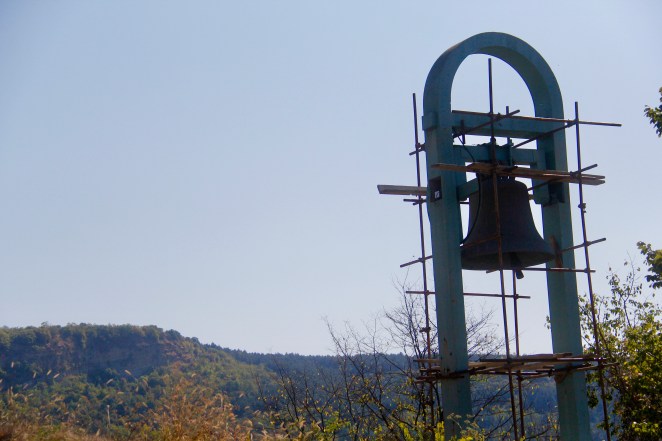
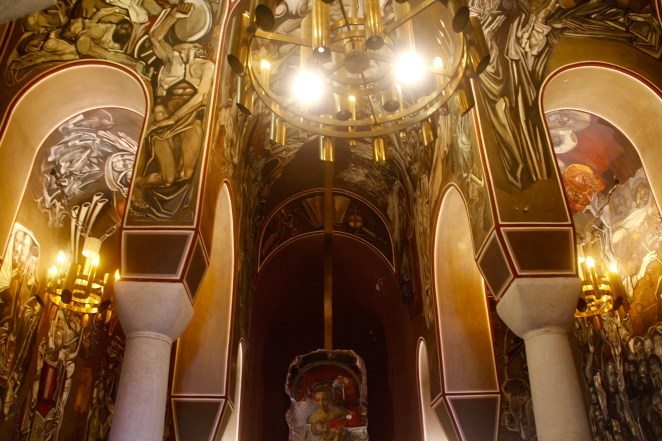
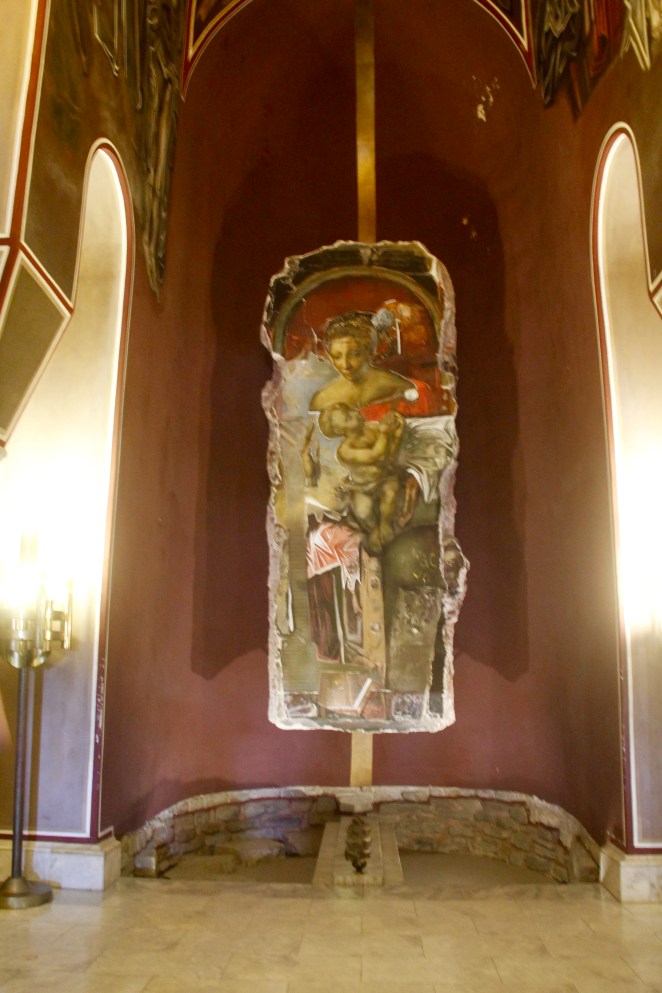
We climbed all the way to the top and entered the Cathedral, the Patriarchal Cathedral of the Holy Ascension of God, and the interior and icons were like nothing I had ever seen – minimal, a few brass chandeliers, and most of the saints in black and white in almost a graffiti style.  Very different, very effective.

fullsizeoutput_18b2fullsizeoutput_18b3fullsizeoutput_18b4fullsizeoutput_18b7

After enjoying the view from the top, it was time for lunch so we began our wobbly descent.  We ended up at an outdoor table at a little restaurant where I had a Bulgarian must-have dish – Shopska salad.  The salad is cucumber, peppers, red onion, tomato and topped with cheese.  Essentially Greek salad.  But the cheese the put on it is delicious – not quite as salty as feta with less crumble.

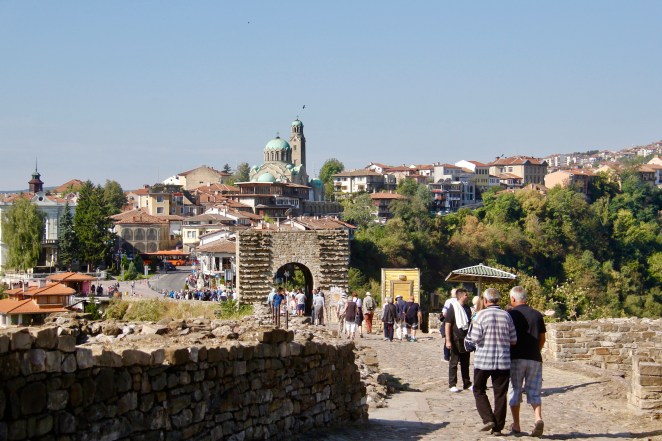
After lunch we headed back to Samovodska Charshia to pick up any gifts or postcards that we were missing and just wandered until the sun got too hot.

fullsizeoutput_18b9fullsizeoutput_18ba

We decided to find some ice cream and a nice patio to enjoy it from, so we found this one that overlooks the river as well as the Monument to the Asen Dynasty, an interesting looking and dramatic obelisk and statues dedicated to some of Bulgaria’s ancient leaders.
fullsizeoutput_18bc

All of our feet, ankles and legs were getting pretty sore, so when we were finished eating our ice cream, we found a leafy terrace beside a fountain and enjoyed some libations.

fullsizeoutput_18bd

For dinner we went to an inn that came highly recommended on the internet, and again sat outside (this entire trip we have not had one single dinner inside) and feasted on chicken kebab, broccoli, fries and Turkish coffee.

fullsizeoutput_18c3

We headed back to our hotel, grabbed a couple of bottles of beer and headed up to the roof top patio to watch the Fortress light up and enjoy our last night in Veliko Tarnovo before heading east tomorrow, to the Black Sea.

fullsizeoutput_18c2